
Making a good investment logo design is a big deal because it’s often the first thing people see about your business. It needs to tell your story and show what you’re all about, right from the start. This guide will walk you through how to create a strong investment logo design, from figuring out what your brand stands for to using cool AI tools, so your logo looks great everywhere.
Key Takeaways
- Figure out what your brand is really about and who you want to reach before you even think about colors or shapes for your investment logo design.
- Look at what other companies in your field are doing with their logos, and check out design sites for some fresh ideas. See what’s popular in design, too.
- Turn your ideas into actual pictures. Pick a layout that works, make sure it fits your brand’s message, and fine-tune it until it feels just right.
- Choose the right kind of logo, think about what feelings different colors bring out, and pick fonts that match your brand’s personality for your investment logo design.
- Make your investment logo design truly yours by playing with colors and fonts. Adjust things until they look perfect, and always get opinions from others before you finish it up.
Understanding Your Investment Logo’s Core Purpose
Before you even think about colors or fonts, it’s important to really nail down what your investment logo needs to do. It’s not just about looking pretty; it’s about communicating your brand’s essence. What do you stand for? Who are you trying to reach? What problems do you solve? Answering these questions will give you a solid foundation for a logo that actually works.
Defining Your Brand Promise
What’s the one thing you want people to think of when they see your logo? Is it trust? Innovation? Stability? Your brand promise is the core value you offer to your clients. Your logo should visually represent this promise. Think about companies like Vanguard, known for low-cost investing. Their logo likely conveys stability and accessibility. On the other hand, a venture capital firm might want a logo that screams innovation and forward-thinking. It’s all about aligning the visual with the message.
Identifying Your Target Audience
Who are you trying to attract? High-net-worth individuals? Millennials just starting to invest? A directional investment strategy targeting a younger demographic might use a more modern, playful logo, while a firm catering to retirees might opt for something more classic and conservative. Consider their preferences, values, and what resonates with them. A logo that appeals to everyone appeals to no one.
Fulfilling Customer Needs
What problem does your investment firm solve? Are you helping people save for retirement, grow their wealth, or achieve specific financial goals? Your logo can subtly communicate this. For example, a company specializing in retirement planning might incorporate imagery that suggests security and long-term growth. Think about how the investment logo can visually represent the solutions you provide. It’s about making that instant connection with potential clients, letting them know you understand their needs and have the answers they’re looking for.
Your logo is often the first interaction a potential client has with your brand. It needs to be more than just aesthetically pleasing; it needs to communicate your values, target audience, and the solutions you provide. A well-designed logo builds trust and credibility, setting you apart in a competitive market.
Strategic Inspiration for Investment Logo Design
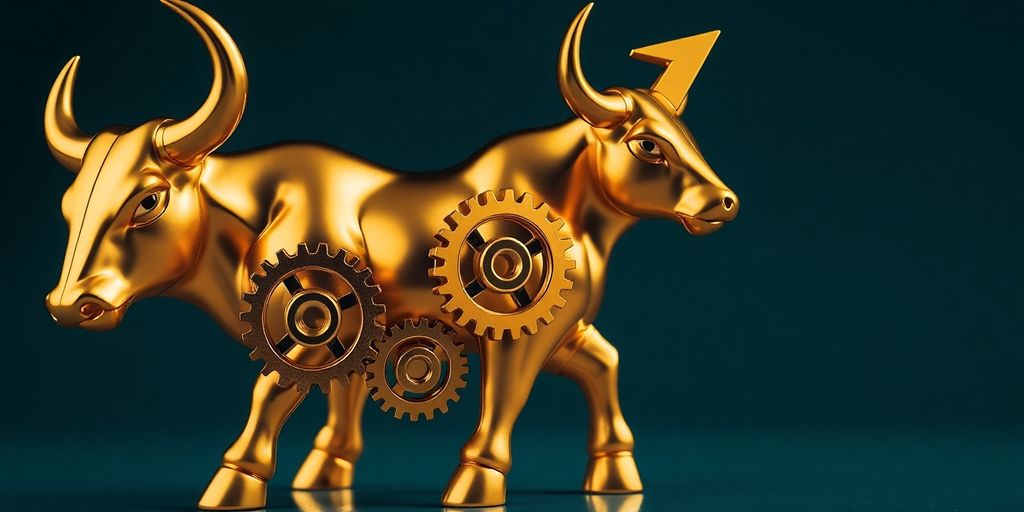
Coming up with the perfect investment logo isn’t just about slapping some symbols together. It’s about strategy. You need to look around, see what works, and figure out how to stand out. Let’s explore some ways to get inspired.
Analyzing Competitor Logos
First things first, check out what your competitors are doing. This isn’t about copying, but about understanding the landscape. What colors do they use? What kind of fonts? What symbols or imagery are common in the alternative asset management space?
- Identify the top 5-10 competitors.
- Document their logo styles, colors, and fonts.
- Analyze what works and what doesn’t, and where you can differentiate.
By studying your competitors, you can identify gaps in the market and create a logo that sets you apart. It’s about finding your unique visual voice in a crowded field.
Leveraging Design Libraries and Tools
Don’t reinvent the wheel. There are tons of resources out there to help you get started. Design libraries and online tools can provide a wealth of inspiration and even help you create a basic design to build upon. Many platforms offer templates and elements that you can customize to fit your brand. These tools can be a great way to experiment with different ideas and see what resonates with you. Using design libraries can save time and provide a solid foundation for your logo design.
- Explore online logo makers like Canva or LogoMaker.
- Browse design asset libraries like Adobe Stock or Shutterstock.
- Experiment with different templates and design elements.
Exploring Industry Trends and Hashtags
Stay current with what’s trending in the design world. Social media platforms like Instagram and Pinterest are goldmines for design inspiration. Search for relevant hashtags like #logodesign, #investmentlogo, or #financialbranding to see what’s catching people’s eyes. Pay attention to the latest color palettes, typography styles, and design trends in the cryptocurrency and finance industries. This will help you create a logo that feels modern and relevant.
- Follow design-related accounts on social media.
- Use relevant hashtags to find inspiration.
- Pay attention to current color and typography trends.
Here’s a quick look at some recent trends:
| Trend | Description |
|---|---|
| Minimalism | Clean, simple designs with a focus on negative space. |
| Bold Typography | Using strong, eye-catching fonts to make a statement. |
| Geometric Shapes | Incorporating geometric shapes for a modern and structured look. |
| Gradient Colors | Using smooth color transitions for a dynamic and visually appealing effect. |
Translating Concepts into Visual Investment Logos
Selecting Unique Layouts
Okay, so you’ve got all these ideas swirling around in your head. Now it’s time to actually see them. Think about layout. A good layout isn’t just about aesthetics; it’s about guiding the viewer’s eye and communicating your message effectively. Are you going for something classic and stable? Or maybe something more modern and dynamic? The layout sets the stage. Consider these options:
- Symmetrical: Conveys balance and stability.
- Asymmetrical: Creates a sense of movement and energy.
- Circular: Suggests unity and completeness.
Don’t be afraid to experiment. The goal is to find a layout that not only looks good but also reinforces your brand’s core values. If you’re offering alternative asset management, a stable and trustworthy layout might be the way to go.
Developing Brand Vision Alignment
Your logo isn’t just a pretty picture; it’s a visual representation of your entire brand. It needs to scream what you’re all about. Make sure your logo aligns with your brand vision. Think about the emotions and associations you want to evoke. Are you aiming for trust and security? Innovation and growth? Your logo should reflect that.
Consider these questions:
- What are your company’s core values?
- What makes you different from your competitors?
- What is the overall tone and personality of your brand?
A logo that doesn’t align with your brand vision is like a ship without a rudder. It might look nice, but it’s not going anywhere. Make sure your logo is a true reflection of who you are and what you stand for.
Refining for Persona and Message
Now, let’s get specific. Who are you trying to reach? What message are you trying to send? Your logo should be tailored to your target audience and communicate your key message clearly and concisely. Think about your ideal client. What are their needs, their aspirations, their pain points? Your logo should speak directly to them. If you’re targeting younger investors interested in financial technology, a modern and tech-savvy logo might be the way to go. On the other hand, if you’re targeting more conservative investors, a more traditional and trustworthy logo might be more effective. It’s all about knowing your audience and crafting a message that resonates with them. Remember, effective institutional investment management requires understanding your audience.
Key Elements for an Impactful Investment Logo

Your investment logo is often the first thing people think of when they hear your company’s name. It’s important to get it right! A well-designed logo can build trust and show potential clients that you’re the right choice. To make that happen, all the design elements need to work together.
Choosing Appropriate Logo Types
There are several types of logos you can choose from, and each one sends a different message. You have options like wordmarks (logos that are just the company name), lettermarks (using initials), or a combination mark (text and a symbol). The right type depends on your brand’s personality and what you want to communicate.
Consider these points when selecting a logo type:
- Brand Recognition: How well-known is your company? If you’re new, a logo with your full name might be better. If you’re established, a symbol might suffice.
- Industry Standards: What types of logos are common in the investment world? While you want to stand out, you also want to fit in enough to be recognized.
- Versatility: Will the logo work well in different sizes and formats, from business cards to billboards? If you want to show professionalism and a classical look with your brand logo, use a serif font. These look good on all types of media like social media, websites and even on print like business card design.
Utilizing Color Psychology Effectively
Colors aren’t just about aesthetics; they evoke emotions and associations. In the investment world, certain colors are more common because they convey specific ideas. For example, blue often represents trust and stability, while green can suggest growth and prosperity.
Here’s a quick look at some common colors and their associations:
| Color | Associations |
|---|---|
| Blue | Trust, stability, security |
| Green | Growth, wealth, prosperity, sustainability |
| Gray | Neutrality, sophistication, balance |
| Gold | Luxury, success, achievement |
Choosing the right color palette is important. It should reflect your brand identity and appeal to your target audience. Colors are a tool you can use to evoke certain emotions in your audience. Choose a logo color(s) that reflects your brand identity and effectively convey your message through visual appeal.
Selecting Expressive Typography
The font you choose for your logo is just as important as the colors and symbols. It communicates your brand’s personality and values. A classic serif font might convey tradition and reliability, while a modern sans-serif font could suggest innovation and forward-thinking. The font you choose says a lot about your brand. You can choose either a serif font for a classic look or sans serif to add a modern touch. Stay away from generic fonts as they only kill your logo design.
Here are some tips for choosing the right font:
- Readability: Make sure the font is easy to read, even in small sizes.
- Legibility: Ensure that each letter is distinct and easily recognizable.
- Consistency: The font should align with your overall brand identity. If you want to give a modern impression of your brand and catch the attention of the younger generation of audience, use a san serif font. And this type of font renders best on digital platforms like mobile apps, websites and social media.
A well-chosen font can make your logo memorable and impactful. It’s a key element in creating a strong brand identity. Consider how the font will look on different mediums, from your website to your letterhead. Think about the message it sends and whether it aligns with your company’s values. Remember, your logo is a visual representation of your brand, and every element should contribute to a cohesive and compelling image. It’s not easy to create a investment logo design that perfectly encapsulates your brand’s message and story in a single symbol. This is why designers always stress on bringing all the elements together to make an impactful logo for your business.
Adding Distinctive Brand Flavor to Your Investment Logo
So, you’ve got the basics down. Now it’s time to inject some personality into your investment logo. This is where you make it truly yours, setting it apart from the competition and making it memorable. It’s about more than just looking good; it’s about communicating your brand’s unique identity.
Customizing Colors and Fonts
Don’t just stick with default settings. Experiment with different color palettes and font pairings to find what truly represents your brand. Think about the emotions you want to evoke. A trustworthy alternative asset management firm might lean towards blues and grays, while a more innovative, tech-focused company could use brighter, bolder colors. The same goes for fonts – a classic serif font can convey tradition, while a modern sans-serif can suggest innovation. The key is to find a combination that feels authentic to your brand.
Adjusting Layout and Elements
Take a look at the overall layout of your logo. Is it balanced? Does it feel cluttered or clean? Play around with the arrangement of elements – the icon, the text, any supporting graphics. Consider negative space; sometimes, what you don’t include is just as important as what you do. Think about how the different elements interact and contribute to the overall message. Maybe try incorporating unique shapes, icons, lines, or symbols to make it stand out.
Gathering Feedback Before Finalization
Before you commit to a final design, get some outside opinions. Show your logo to friends, family, or even better, potential customers. Ask them what they think it communicates. Does it align with your brand values? Is it memorable? Constructive criticism can be invaluable in identifying potential weaknesses and refining your design. Remember, your logo isn’t just for you; it’s for your audience. Getting investment advice from others can help you see your logo from a different perspective.
It’s easy to get attached to a design you’ve been working on, but don’t be afraid to make changes based on feedback. The goal is to create a logo that resonates with your target audience and effectively represents your brand. Sometimes, a fresh pair of eyes can spot something you’ve missed.
Here’s a simple table to help you organize feedback:
| Feedback Source | Positive Comments | Negative Comments | Suggestions |
|---|---|---|---|
| Friend 1 | |||
| Family Member | |||
| Potential Customer |
Crafting a Modern Investment Logo with AI Tools
AI is changing how we approach design, and investment logos are no exception. It’s now easier than ever to create a professional-looking logo without needing extensive design skills or a big budget. Let’s explore how you can use AI tools to craft a modern and effective investment logo.
Exploring AI-Generated Templates
AI logo generators offer a wide array of templates to get you started. These templates are often categorized by industry, style, and keyword, making it easy to find something relevant to your investment business. The key is to view these templates as a starting point, not the final product.
Consider these points when browsing templates:
- Look for templates that align with your brand’s personality (e.g., modern, traditional, playful).
- Pay attention to the color palettes used and how they evoke certain emotions.
- Think about the overall simplicity and memorability of the design.
Customizing with Branding Options
Once you’ve selected a template, the real fun begins: customization. AI tools provide various options to tailor the design to your specific brand. This includes changing colors, fonts, layouts, and adding or modifying icons. Don’t be afraid to experiment and see what works best for you. For example, you can use a free logo builder to create unlimited professional investment logos.
Here’s a table showing common customization options and their impact:
| Customization Option | Impact |
|---|---|
| Color Palette | Evokes specific emotions and associations |
| Font Choice | Conveys brand personality (e.g., professional, modern, playful) |
| Layout | Affects visual hierarchy and overall impression |
| Iconography | Represents your industry, values, or unique selling proposition (USP) |
Achieving Uniqueness and Memorability
While AI tools offer convenience, it’s important to ensure your logo stands out from the crowd. Avoid relying solely on default templates and generic icons. Instead, focus on adding unique elements that reflect your brand’s identity. This might involve creating a custom icon, using an unusual color combination, or developing a distinctive typography style. You can also add shapes, icons, swooshes, and effects to make your investment logo stand out.
Remember, your logo is often the first thing people see, so it needs to make a lasting impression. Aim for a design that is both visually appealing and easily recognizable. A memorable logo helps build brand recognition and fosters trust with potential clients.
Optimizing Your Investment Logo for Versatility
Your investment logo is more than just a pretty picture; it’s a workhorse that needs to perform across various platforms and mediums. Think about it: your logo will appear on everything from business cards to billboards. That’s why it’s important to make sure it’s optimized for versatility. Let’s explore how to make your investment logo adaptable and effective, no matter where it appears.
Understanding Vector vs. Raster Formats
Okay, let’s talk about file formats. This might sound a bit technical, but it’s really important. There are two main types of image formats you need to know about: vector and raster. Raster images, like JPEGs and PNGs, are made up of pixels. If you enlarge a raster image too much, it becomes blurry and pixelated. Vector images, on the other hand, are made up of mathematical equations. This means they can be scaled infinitely without losing quality. For your investment logo, you absolutely want a vector version. This ensures it looks crisp and clear at any size. Think of it this way:
| Feature | Vector Images | Raster Images |
|---|---|---|
| Composition | Mathematical equations | Pixels |
| Scalability | Infinite, no loss of quality | Limited, becomes pixelated when enlarged |
| File Types | AI, EPS, SVG | JPEG, PNG, GIF |
| Best For | Logos, illustrations, typography | Photographs, detailed images |
Ensuring Scalability for Various Applications
Scalability is key. Your logo needs to look just as good on a tiny app icon as it does on a large banner. Here’s how to make sure it scales well:
- Keep it simple: Avoid intricate details that might get lost when the logo is scaled down. A clean, minimalist design is often more effective.
- Test it at different sizes: View your logo at various sizes to see how it holds up. Make adjustments as needed.
- Use vector graphics: As mentioned earlier, vector formats are essential for scalability. Make sure your logo is created in a vector program like Adobe Illustrator.
Preparing for Branding Merchandise
Your logo isn’t just for digital use; it’ll likely end up on branding merchandise like mugs, t-shirts, and pens. Here’s how to prepare your logo for these applications:
- Consider color limitations: Some printing methods have limitations on the number of colors that can be used. Simplify your color palette if necessary.
- Provide different file formats: Supply your printer with vector files (AI, EPS, SVG) and high-resolution raster files (PNG, TIFF) to ensure they have what they need.
- Think about placement: Consider how your logo will look on different items. Will it be embroidered on a hat? Printed on a pen? Make sure it’s legible and visually appealing in each context.
A versatile investment logo is an asset that keeps on giving. By understanding the technical aspects of file formats and considering the various applications of your logo, you can ensure it remains effective and impactful across all platforms. Don’t underestimate the power of a well-optimized logo; it’s a key element of your brand identity.
Wrapping Things Up
So, as we look ahead to 2025, remember that a good investment logo is more than just a picture. It’s a key part of what your company is all about. Taking the time to get it right really matters. Think about what makes your brand special, what you want to say, and who you’re trying to reach. When you put thought into these things, your logo can truly stand out. It helps people remember you and feel good about what you do. A well-made logo can help your business grow and connect with people in a meaningful way. It’s worth the effort to make it something great.
Frequently Asked Questions
How much does an investment logo typically cost?
The cost of an investment logo can be different depending on how you choose to get it. If you want a truly unique logo that no one else has, hiring a professional designer through a service like 99designs by Vista is a good idea. They’ll create something just for you, and you’ll own all the rights to it. If you use a free logo maker, you might end up with a logo that looks a bit like others, as these tools often use common design parts.
Why is it important to create a vector investment logo?
When you make a logo with a tool like DesignMantic’s logo creator, it will be used on many different things, from small mugs to big billboards, flyers, and even email signatures. Because your logo needs to look good everywhere, a simple image file like a JPG (which is made of tiny dots) won’t work well for big sizes; it will look blurry. Vector image files, however, are made of math formulas, so they stay sharp and clear no matter how much you stretch or shrink them. This is why vector logos are best for all your branding needs.
Can I add special shapes or effects to my logo using a logo generator?
Yes, absolutely! Most logo design tools let you add all sorts of extra things to your logo, like shapes, icons, lines, and symbols. You can play around with different options to see what makes your logo stand out the most. Just pick the element you want to add, and you can even preview how your logo will look on items like T-shirts or mugs. Keep trying different things until you get the perfect look for your brand.
How do I choose the right font for my investment logo?
The font you pick for your investment logo tells a lot about your brand. If you want to look serious and classic, a serif font is a good choice; it works well on websites, social media, and even business cards. For a more modern feel that appeals to younger people, a sans-serif font is better, especially for digital places like apps and social media. Script fonts can give your logo a softer touch or be used for taglines. Choosing the right font is a big deal, so pick wisely!
Why is color choice important for an investment logo?
Colors are super important because they can make people feel certain emotions. When choosing colors for your investment logo, pick ones that truly show what your brand is all about. The right colors can help you send your message clearly and make your logo look great.
What is the main goal of an investment logo?
Your investment logo is the first thing people see and remember about your business. It’s like the face of your brand. To make it great, you need to understand what your brand promises, what problems it solves for people, and who your customers are. This helps make sure your logo truly represents your business and connects with the right audience.

Peyman Khosravani is a global blockchain and digital transformation expert with a passion for marketing, futuristic ideas, analytics insights, startup businesses, and effective communications. He has extensive experience in blockchain and DeFi projects and is committed to using technology to bring justice and fairness to society and promote freedom. Peyman has worked with international organizations to improve digital transformation strategies and data-gathering strategies that help identify customer touchpoints and sources of data that tell the story of what is happening. With his expertise in blockchain, digital transformation, marketing, analytics insights, startup businesses, and effective communications, Peyman is dedicated to helping businesses succeed in the digital age. He believes that technology can be used as a tool for positive change in the world.