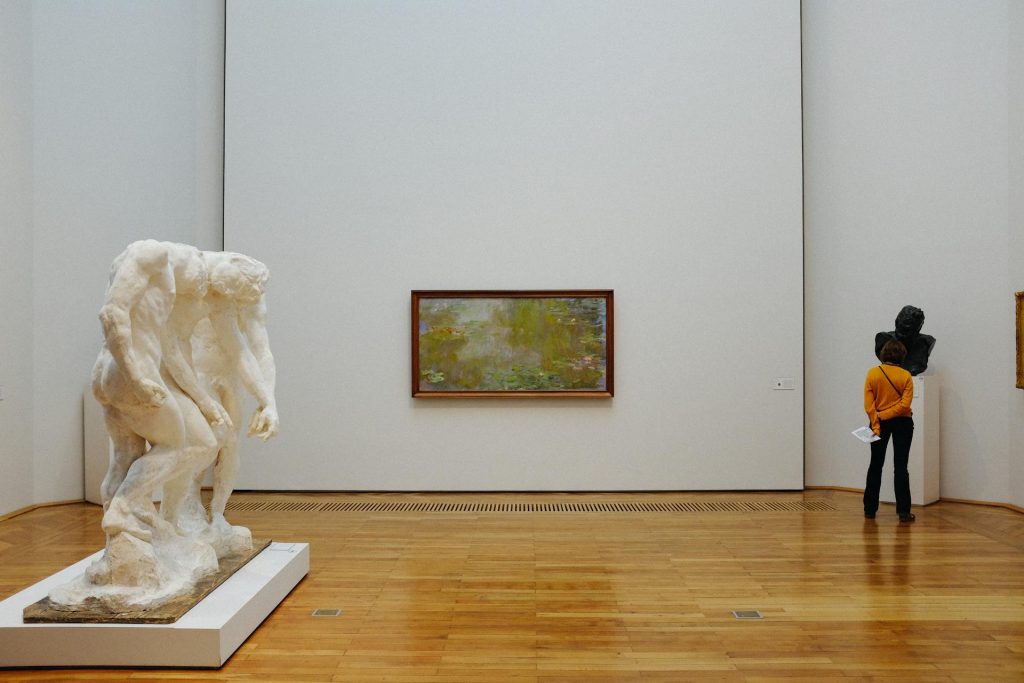
A gallery pulled down protest photos last spring. The artists weren’t happy about it. Musicians got turned away from venues during demonstrations. These things happen more than you’d think. Civil rights shape how we experience culture every day.
You probably know you have rights. But which ones apply where? That part gets fuzzy fast. Cultural expression and legal boundaries collide all the time. Create art, go to protests, attend public events? Your civil rights matter in all of it.
Constitutional Protections That Apply to Cultural Life
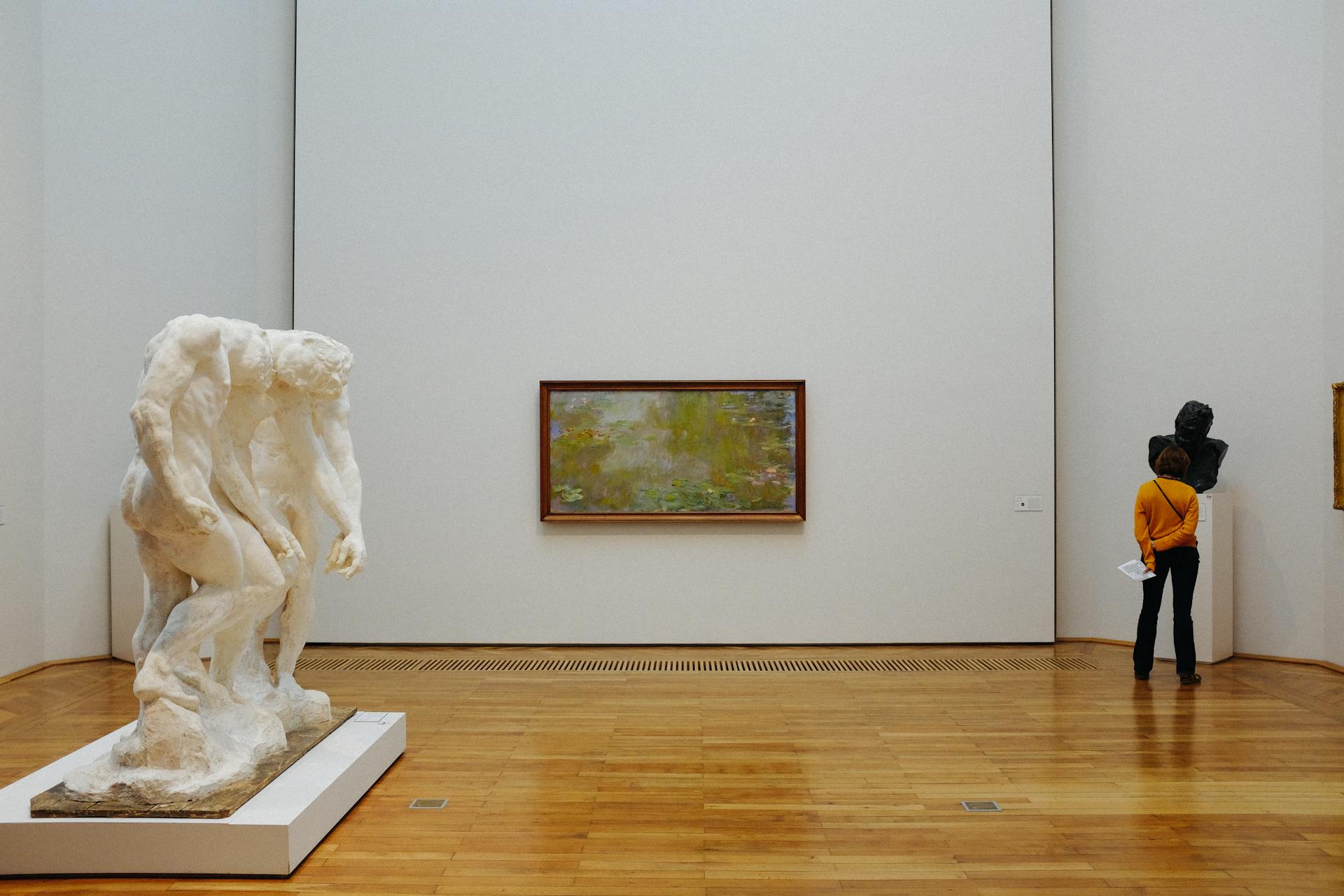
The First Amendment backs up cultural expression across America. You get to speak freely, practice your beliefs, and meet up with others. Art galleries, music venues, film screenings, protests? All covered.
Free speech isn’t just about talking. Courts say artistic expression counts too. Paintings, photos, performance art, street murals. The government can’t shut down your message just because someone finds it offensive. That’s the whole point of the protection.
You can gather for protests, festivals, or community events. Police can set some rules about timing and location. That’s allowed. But they can’t stop gatherings because they don’t like your message. People wanting more details about these protections can visit website for civil rights law information.
Press freedom covers journalists, bloggers, and filmmakers. They get to report on cultural movements and social problems. Without this right, documenting what police do would become nearly impossible.
When Cultural Expression Faces Legal Challenges
Artists make work that questions authority sometimes. That type of expression gets strong legal backing. Courts usually side with creators unless the work directly calls for immediate violence.
Permits and Public Events
Music venues need to understand permit rules. Cities ask for permits when crowds get big or sound gets loud. Fair enough. These rules should work the same for everyone though. Officials denying permits based on political views? That’s a problem.
Recording Police and Public Officials
Film a protest or police interaction? You have protections for that. Recording officers doing their jobs in public is allowed. Federal courts have said so many times. Just don’t get in the way of police work or ignore orders to leave.
Street art gets tricky. Graffiti on private property without permission stays illegal. But permitted murals get First Amendment protection. Cities can’t tear down approved art just because they hate the political statement. The ACLU offers guidance on where free speech lines fall for artists and activists.
Your Rights During Public Demonstrations and Cultural Events
Protests matter for cultural movements. You can demonstrate peacefully on sidewalks and in parks. Police might set time limits or ask you to keep walkways clear. Both reasonable requests.
Officers sometimes ask for ID. Usually though, just being at a protest doesn’t require showing identification. Some places have different rules. Check local laws before you show up.
Recording police at protests? Still protected. Courts see this as accountability. Officers can’t take your phone or delete your footage without a warrant. They can’t arrest you just for filming either.
Police order everyone to leave? You need to go. Staying put can get you arrested for unlawful assembly. Leave quickly through whatever route they point to. Arguing during this moment makes things worse.
Recognizing and Addressing Civil Rights Violations
Disagreeing with police doesn’t always mean your rights got violated. Some actions do cross lines though. Officers can’t arrest you for protected speech or peaceful assembly. They can’t beat people up at cultural events either.
Types of Violations to Watch For
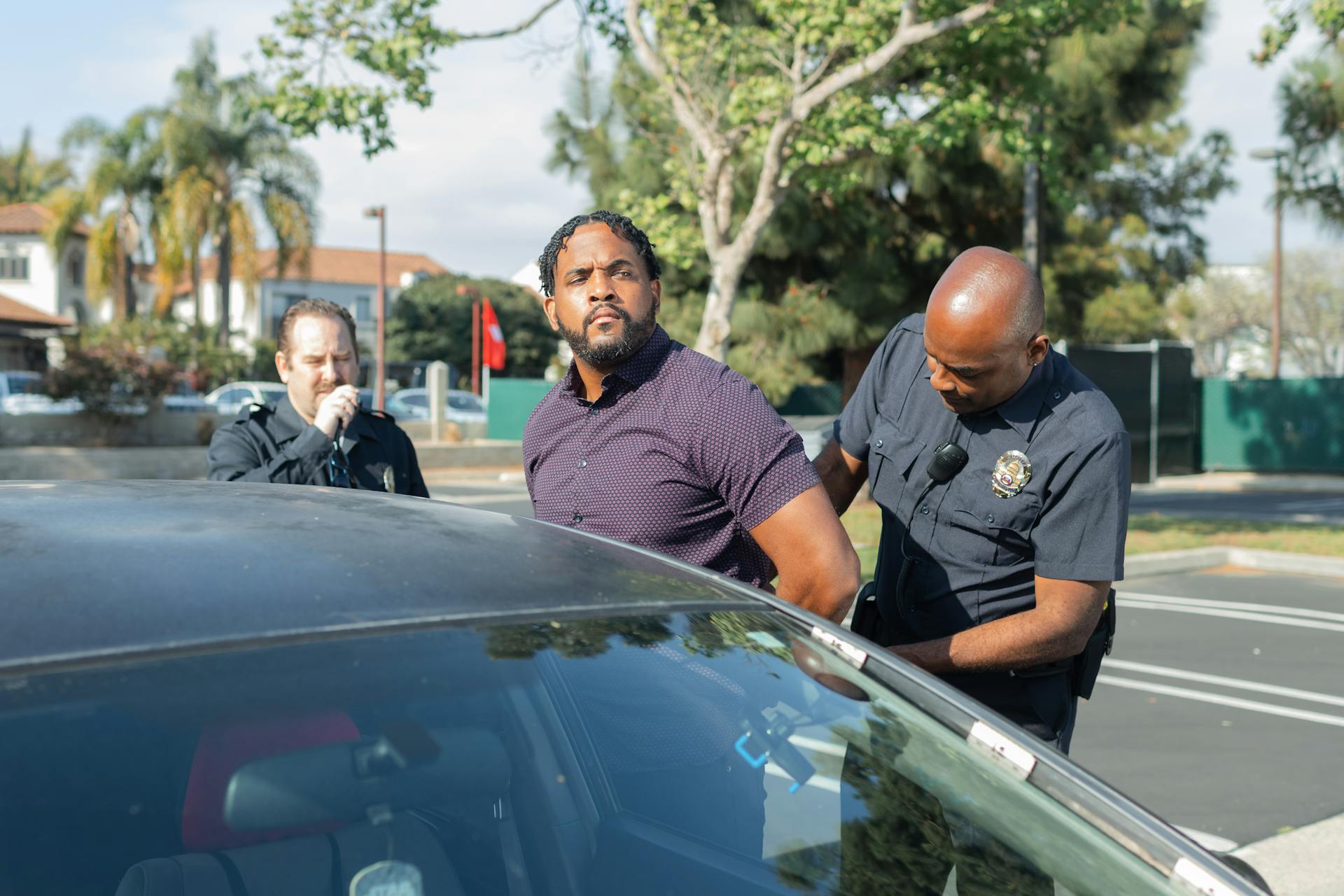
False arrests happen when police lack real cause. Maybe they grabbed you for filming. Or they held you without any actual crime. These situations might support civil rights claims later.
Excessive force during peaceful protests happens too. Officers should only use force that fits the situation. Hitting peaceful demonstrators or spraying pepper without warning breaks the rules.
Steps to Take After a Violation
Collect evidence right away when violations happen. Write down officer names and badge numbers. Get contact info from people who saw what happened. Photograph any injuries you got.
Start by filing a complaint with the police department. Many cities run civilian review boards too. For serious cases, talk to an attorney who handles civil rights work. They can tell you if legal action makes sense. The Department of Justice Civil Rights Division looks into police misconduct patterns and constitutional problems.
Protecting Your Voice in Cultural Spaces
Rights need defending. Authorities overstep sometimes. Staying quiet lets it keep happening. Fight back through complaints, lawsuits, or organizing. That’s how civil liberties stick around for the next person.
Make bold art without worrying about random censorship. Document social movements with your camera. Organize events knowing the constitution backs you up. But knowing your rights means nothing if you won’t use them.
Keep records of police interactions at cultural events. Store videos and photos somewhere safe with backup copies. Share details with trusted people who can back up your story later.
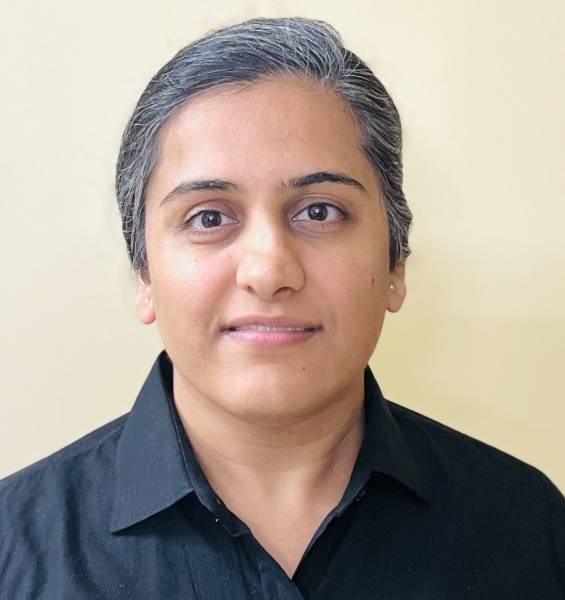
Pallavi Singal is the Vice President of Content at ztudium, where she leads innovative content strategies and oversees the development of high-impact editorial initiatives. With a strong background in digital media and a passion for storytelling, Pallavi plays a pivotal role in scaling the content operations for ztudium’s platforms, including Businessabc, Citiesabc, and IntelligentHQ, Wisdomia.ai, MStores, and many others. Her expertise spans content creation, SEO, and digital marketing, driving engagement and growth across multiple channels. Pallavi’s work is characterised by a keen insight into emerging trends in business, technologies like AI, blockchain, metaverse and others, and society, making her a trusted voice in the industry.