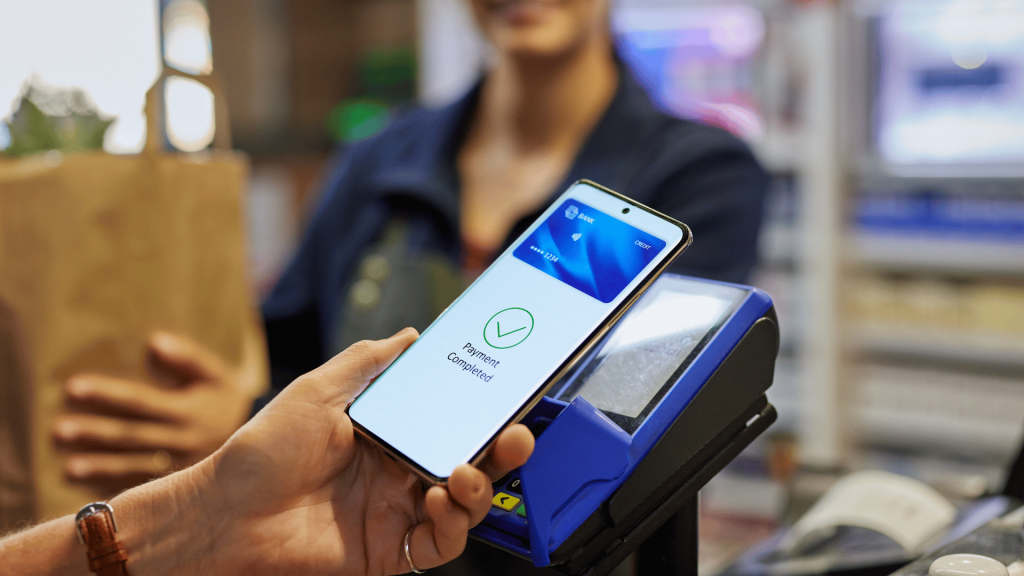
When a customer clicks “Pay Now,” the transaction appears to be completed instantly. In reality, that single action triggers a complex sequence of encrypted communications, bank verifications, and fraud checks. All of this happens within seconds to ensure the payment is secure, accurate, and authorized.
Below is a structured breakdown of what actually happens behind the scenes.
Secure Collection of Payment Details
The process begins when the customer enters their card information on the checkout page. At this stage, the data is immediately encrypted to prevent unauthorized access.
This is where a professionally implemented payment gateway integration service becomes essential. A secure integration ensures that:
- Sensitive cardholder data is encrypted during transmission
- Tokenization replaces raw card details with secure tokens
- The checkout process complies with PCI DSS standards
- Customer information remains protected from breaches
Without a properly configured gateway setup, online transactions would expose both businesses and customers to significant risks.
Transaction Sent to the Payment Gateway
Once encrypted, the payment information is transmitted to the payment gateway. The gateway acts as a secure intermediary between the merchant’s website and financial institutions.
At this stage, the gateway performs initial validation checks, including:
- Card number format verification
- Expiration date confirmation
- CVV validation
- Basic fraud screening
If everything is valid, the transaction request is forwarded to the acquiring bank (the merchant’s bank).
Routing Through the Card Network
The acquiring bank routes the transaction to the appropriate card network, such as Visa, Mastercard, or American Express.
The card network then forwards the authorization request to the issuing bank — the customer’s bank. This communication happens in milliseconds, despite involving multiple financial institutions.
Issuing Bank Authorization
The issuing bank evaluates the transaction before approving or declining it. The bank checks:
- Whether sufficient funds or credit are available
- Whether the card is active
- Whether the transaction appears suspicious
- Whether the purchase matches the customer’s spending patterns
Advanced fraud detection systems analyze multiple data points in real time to minimize risk.
If the transaction passes all checks, the bank sends an approval code. If not, the payment is declined.
Authorization Response Returned to the Website
The approval or decline response travels back through the same chain:
Issuing Bank → Card Network → Acquiring Bank → Payment Gateway → Merchant Website
Only then does the customer see a confirmation message. The entire process typically takes less than three seconds.
Settlement and Fund Transfer
Authorization does not mean the merchant immediately receives the funds. Approved transactions are collected and sent in batches for settlement, usually at the end of the business day.
During settlement:
- The issuing bank transfers funds to the acquiring bank
- The acquiring bank deposits funds into the merchant’s account
- The process generally takes 1–3 business days
This final stage completes the financial side of the transaction.
Why a Reliable Integration Matters
Although online payments seem simple from the customer’s perspective, they depend on a sophisticated ecosystem working flawlessly in the background. Even small inefficiencies can lead to delays, failed transactions, or security vulnerabilities.
A robust and well-architected payment gateway setup helps businesses achieve:
- Faster transaction processing
- Higher approval rates
- Stronger fraud protection
- Better checkout experiences
- Scalable infrastructure for growth
What feels like a single click is actually a coordinated exchange between multiple secure systems. When implemented correctly, the entire process remains invisible to the customer — and that seamless experience is exactly what modern digital commerce demands.

Ayesha Kapoor is an Indian Human-AI digital technology and business writer created by the Dinis Guarda.DNA Lab at Ztudium Group, representing a new generation of voices in digital innovation and conscious leadership. Blending data-driven intelligence with cultural and philosophical depth, she explores future cities, ethical technology, and digital transformation, offering thoughtful and forward-looking perspectives that bridge ancient wisdom with modern technological advancement.