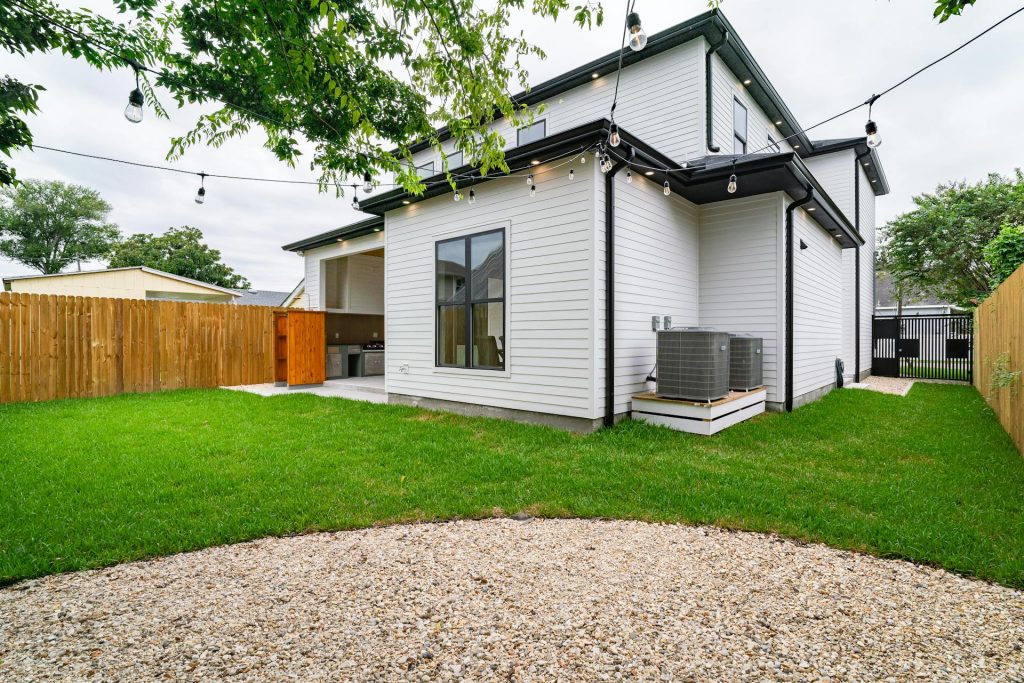
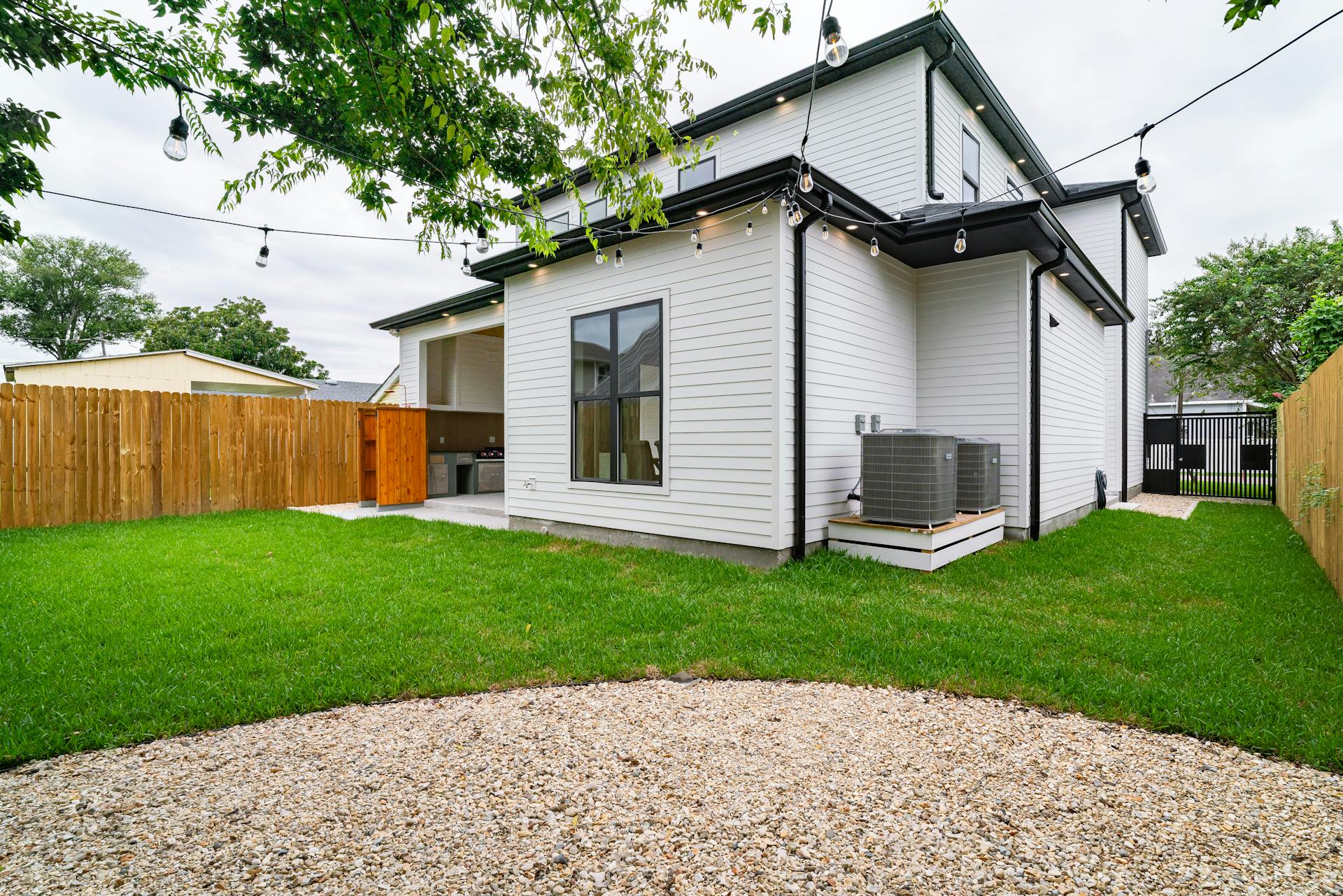
Spring is the perfect season to completely refresh your outdoor space in North Texas. After months of winter dormancy, patchy grass, bare soil, and weed growth often become more noticeable across DFW lawns. The good news is that spring also creates the ideal conditions for a full yard transformation. With the right sod selection, proper installation, and consistent care, homeowners can establish a thick, healthy lawn before the intense summer heat arrives.
A beautiful lawn does more than improve curb appeal. It creates a more inviting environment for outdoor gatherings, increases usable yard space, and gives the entire property a cleaner, more maintained appearance. Whether your yard has struggled with thinning grass, drainage issues, pet damage, or years of neglect, spring offers the best opportunity to start fresh and prepare for summer 2026 with confidence.
Why Spring is the Ideal Time to Transform Your Yard in DFW
North Texas weather creates a relatively short but highly effective window for lawn establishment during spring. Warm-season grasses commonly used throughout the Dallas-Fort Worth area begin actively growing as temperatures rise, allowing roots to establish before extreme summer temperatures place additional stress on the lawn.
According to the Texas A&M AgriLife Extension Service, warm-season turfgrasses such as Bermuda, Zoysia, and St. Augustine perform best when planted during active growth periods. Spring installation gives sod enough time to develop deeper root systems before prolonged heat and drought conditions become more common during Texas summers.
Another advantage of spring is improved moisture balance. Rainfall patterns are often more favorable compared to late summer, reducing the stress newly installed sod experiences during establishment. Longer daylight hours also encourage faster rooting and recovery.
From a visual standpoint, spring yard transformations allow homeowners to enjoy the results almost immediately. Instead of spending the summer looking at damaged or uneven grass, the lawn enters peak outdoor season already looking fuller and greener.
How to Choose the Right Grass to Transform Your Yard
Not every grass variety performs equally in North Texas. Sun exposure, foot traffic, soil conditions, irrigation habits, and maintenance expectations all influence which sod option works best for a particular property.
Bermuda grass remains one of the most popular choices throughout DFW because it tolerates heavy traffic, recovers quickly, and thrives in full sunlight. Homeowners with active families or pets often prefer Bermuda for its durability and aggressive growth pattern.
Zoysia grass offers a denser, softer appearance and tends to create a more uniform lawn with slightly lower mowing frequency. It performs well in moderate shade while still handling heat effectively. Many homeowners choose Zoysia for its balance between aesthetics and durability.
St. Augustine grass is another common option for lawns with partial shade coverage. Its broader blades create a lush appearance, although it generally requires more water and careful maintenance during extended heat periods.
The University of Arkansas Division of Agriculture notes that selecting turfgrass adapted to local climate conditions is one of the most important factors in long-term lawn success. Choosing the wrong variety can lead to unnecessary maintenance issues, poor drought performance, and recurring damage.
Understanding how the yard functions daily helps narrow down the best solution. A heavily shaded backyard may require different grass than a front lawn exposed to direct sun all day.
Step-by-Step Guide to Yard Transformation with Sod
A successful lawn transformation begins with preparation. Installing sod directly over unhealthy soil or existing weeds usually creates long-term problems. The old lawn should first be cleared away, including dead grass, debris, rocks, and invasive weeds that may interfere with root establishment.
Soil preparation is equally important. Loosening compacted soil improves oxygen flow, drainage, and root penetration. In some cases, adding compost or leveling uneven areas can improve the final result significantly.
Once the surface is prepared, fresh sod should be installed quickly to preserve moisture and turf quality. Tight seams between sod pieces help create a more seamless appearance while reducing gaps where weeds may emerge.
Homeowners looking for premium North Texas sod varieties often explore The Grass Store DFW for freshly harvested, cut-to-order grass adapted to local weather conditions. Their available sod options are designed specifically for Texas climates, helping homeowners create healthier lawns with better heat tolerance and stronger long-term performance. Starting with fresh sod can dramatically improve how quickly a yard transforms from patchy and uneven to full and vibrant.
Watering immediately after installation is critical. The soil beneath the sod must remain consistently moist during the first few weeks while roots begin attaching to the ground below. Once rooting occurs, watering frequency can gradually decrease while encouraging deeper root growth.
Expected Results – What Your Yard Will Look Like by Summer
One of the biggest advantages of sod is how quickly homeowners see visible improvement. Unlike traditional seeding, which can leave lawns sparse for months, sod creates an immediate visual transformation.
Within a few weeks of proper installation, the lawn typically begins rooting firmly into the soil. As temperatures continue warming through late spring and early summer, the grass becomes denser, greener, and more uniform in appearance.
By Summer 2026, a properly maintained lawn can completely change the look of the property. Bare areas disappear, outdoor spaces feel more usable, and the yard becomes more inviting for entertaining, relaxing, or family activities.
Healthy turf also contributes to better soil stability and reduced dust or mud problems around the home. According to the United States Environmental Protection Agency, well-maintained grass areas can help reduce runoff and improve overall outdoor environmental quality when managed responsibly.
The emotional impact is just as noticeable as the visual improvement. A greener yard often encourages homeowners to spend more time outdoors and take greater pride in their property overall.
Common Yard Transformation Mistakes to Avoid in North Texas
Many lawn problems begin with avoidable mistakes during installation or early maintenance. One of the most common errors is choosing grass based only on appearance rather than climate compatibility. A grass variety that looks attractive initially may struggle once summer temperatures intensify.
Another issue is poor watering management. Overwatering can create shallow roots and fungal problems, while underwatering prevents proper establishment during the critical early weeks after installation.
Skipping soil preparation is another frequent mistake. Sod may appear healthy at first but struggle later if compacted soil prevents roots from developing properly underneath.
Some homeowners also wait too long to begin the transformation process. Installing sod during peak summer heat increases stress on the grass and often requires significantly more water to maintain healthy establishment. Spring installation gives lawns a much better opportunity to strengthen naturally before harsh temperatures arrive.
Finally, inconsistent mowing and neglected maintenance often reduce the lifespan and appearance of otherwise healthy lawns. Regular care creates long-term results that continue improving season after season.
Transforming a DFW yard does not require complicated landscaping projects or months of waiting. With the right preparation and fresh sod suited for North Texas conditions, homeowners can create a greener, healthier lawn that is ready to thrive throughout Summer 2026 and beyond.

Ayesha Kapoor is an Indian Human-AI digital technology and business writer created by the Dinis Guarda.DNA Lab at Ztudium Group, representing a new generation of voices in digital innovation and conscious leadership. Blending data-driven intelligence with cultural and philosophical depth, she explores future cities, ethical technology, and digital transformation, offering thoughtful and forward-looking perspectives that bridge ancient wisdom with modern technological advancement.