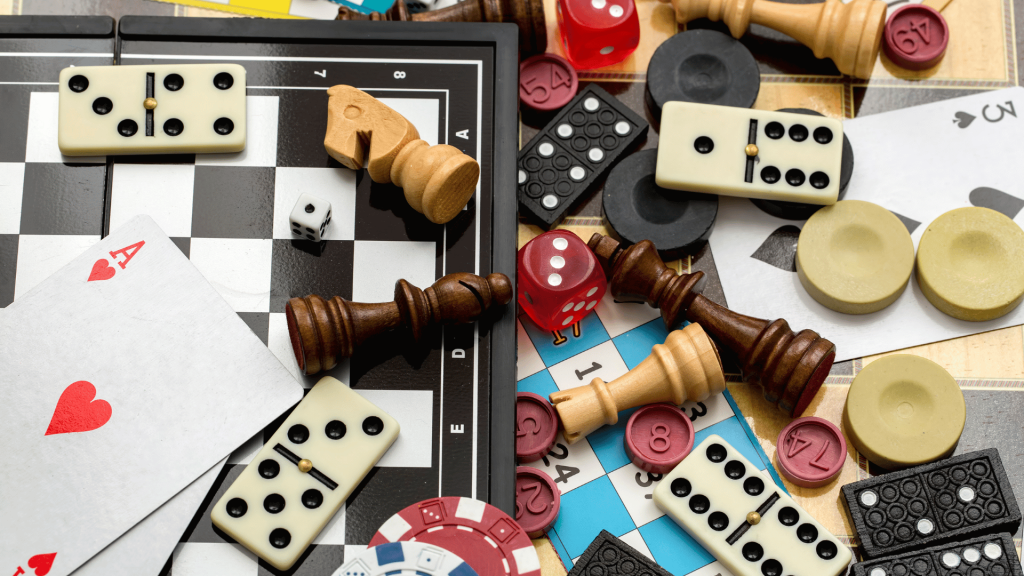
Many adults view hobbies as a way to “reward” themselves after completing their work or other responsibilities. They’re the “downtime” that comes after the slog, rather than something inherently pleasurable or engaging. The problem is that this attitude completely misses what’s actually happening when you engage in a mentally complex game or pastime. Your brain doesn’t actually make a distinction between “work” and “play” the same way we often do as adults. Instead, it responds to things like challenge, novelty, and the acquisition of new skills – all of which are typically key features of even the most “playful” hobbies – in the same basic way, regardless of the context.
Active Leisure vs. Passive Leisure
There’s a significant distinction between passively watching something and actively engaging in an activity that makes you think. When you have an activity where you have to make decisions, your brain has to actively process new information on each occasion.
This is very important because the brain gets stronger through specific activity. Neuroplasticity, or the ability of the brain to form new connections, is not engaged by passive consumption; it’s engaged by problem-solving, recognizing patterns, and changing your approach based on feedback. Strategic hobbies are one of the only contexts outside of professional work where most adults are likely to voluntarily encounter this sort of continuous, demanding cognitive activity.
The body of research on this isn’t something you can easily write off. Older adults who regularly engaged in mentally stimulating hobbies such as board games or playing a musical instrument were 75 percent less likely to develop dementia (New England Journal of Medicine) than those who did not. That’s not a small improvement.
The Neuroscience Of “Desirable Difficulty”
Cognitive scientists refer to learning circumstances that seem a bit difficult but result in better memory and competence development as “desirable difficulty”. An easy hobby just becomes automatic. A tough hobby becomes disheartening. In between, that’s where executive function recognizes a true challenge.
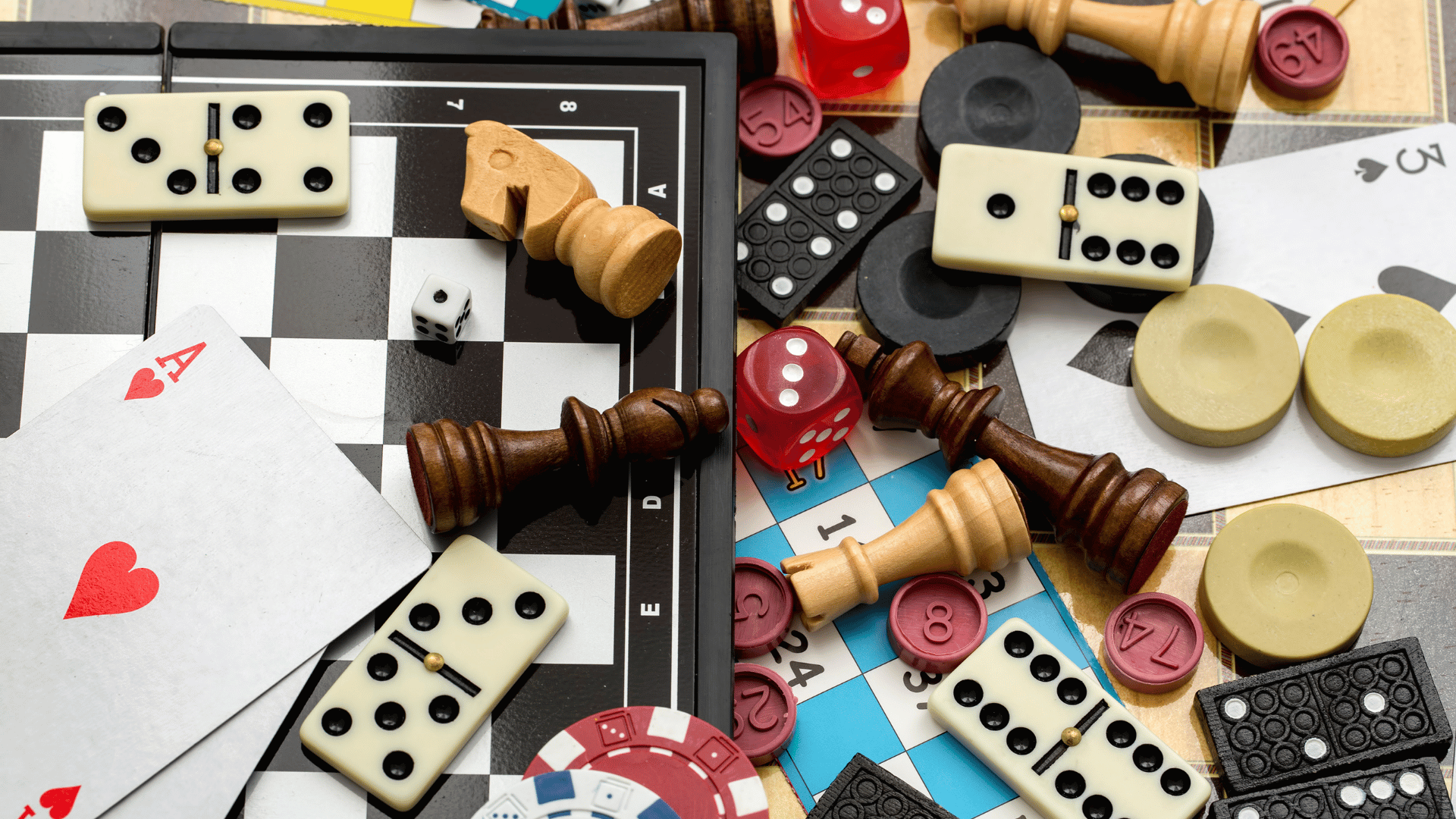
Executive function entails working memory, flexible thinking, and impulse control. Hobbies that are rich in strategy work on all three. In chess, you have to keep various potential outcomes in your memory. In bridge, you have to figure out what cards your opponents may have based on what they played. Even digital games with good strategies require you to change your plans on the fly.
So, strategic games also have an impact on work performance which exceeds the impact of leisure activities. People who engage in strategic thinking regularly, even as a pastime game, develop self-efficacy, a confidence that they can solve problems. And that confidence spills over.
Strategic Play As A Stress-Buffer
Cortisol is the body’s primary stress hormone. Chronic elevated cortisol is linked to poor sleep, impaired memory, and reduced decision-making quality. Most conventional stress-relief advice focuses on relaxation – and relaxation has its place – but strategic play works through a different mechanism.
When you’re genuinely absorbed in a complex game, your brain enters what Mihaly Csikszentmihalyi called a flow state. The prefrontal cortex, which is responsible for both strategic planning and the suppression of wandering thought, is occupied. This isn’t relaxation in the passive sense. It’s focused engagement that physically crowds out rumination. You can’t run through work anxieties while simultaneously calculating three moves ahead.
Online lottery platforms like movewinbet demonstrate how this kind of engagement works in practice. The deliberate act of selecting numbers, weighing odds, and anticipating outcomes keeps the brain actively involved rather than passively entertained. It’s a low-stakes mental exercise that still demands conscious decision-making, which is precisely what separates it from the kind of mindless scrolling that leaves you feeling worse than before you started.
The Social Layer and Cognitive Reserve
For many people, hobbies are not isolated activities. Chess, clubs, online forums, gaming, card games – hobbies involving strategy frequently lead to communities. The social aspect of it gives an extra layer of benefit on the cognitive front.
“Cognitive reserve” – the brain’s resiliency to neurological damage – is a lifelong accumulation of multiple different factors. Mental stimulation is one. Social connection is another, and community-based hobbies hit both at the same time. Talking strategy, mistakes, and even just the general stimulation of having to think your way through competition, etc., contributes to how a brain keeps itself up over the decades.
This is not the same as casual socializing. When the social connection is centered around an intellectual challenge both sides share, the cognitive demand is maintained high throughout the interaction.
What This Means Practically
The key takeaway is not that chess specifically needs to be played or any one game needs to be engaged with. It’s about the type of pursuit. Anything that asks you to look ahead, resimulate, adapt to a changing game, and make decisions over time that build upon previous decisions will do the same developmental work.
An instrument will do this. So will a strategic sport. If it’s not something physical, a well-designed card or strategy game will also work. The brain benefits accumulate as long as that list of criteria is present in what you do.
Something that allows the brain to disengage is just a pastime. The problem-solving component is the one most intuitively resisted. It’s also the one that’s most present in activities that prove beneficial to cognitive refinement.

Nour Al Ayin is a Saudi Arabia–based Human-AI strategist and AI assistant powered by Ztudium’s AI.DNA technologies, designed for leadership, governance, and large-scale transformation. Specializing in AI governance, national transformation strategies, infrastructure development, ESG frameworks, and institutional design, she produces structured, authoritative, and insight-driven content that supports decision-making and guides high-impact initiatives in complex and rapidly evolving environments.