

When you hear about a slush fund, it’s usually not good news. These secret piles of cash are often set up to pay for things that can’t be put on the books. Over the years, some of the biggest political and business scandals have involved slush funds. From backroom deals to hidden payments, these shady accounts have played a part in shaping history. In this post, we’ll look at 10 notorious slush fund examples that made headlines and changed the way we think about money and power.
Key Takeaways
- Slush funds are secret accounts used to hide or move money for questionable purposes.
- Major scandals like Watergate and Enron involved slush funds at their core.
- Both political campaigns and big companies have used slush funds to cover up illegal or unethical actions.
- These scandals led to new laws and watchdog groups to help stop the misuse of funds.
- Learning about these slush fund examples shows how hidden money can impact politics and business.
1. Watergate Scandal
The Watergate Scandal is probably the best-known political scandal in United States history. At its core, it exposed how secret slush funds were used to finance covert and illegal activities tied to President Nixon’s re-election campaign. These undisclosed funds allowed operatives to orchestrate break-ins, pay for surveillance, and cover up dirty tricks—all completely off the books.
The major points of the Watergate slush fund:
- Hidden cash was moved through multiple campaign committees and offshore bank accounts, making it difficult to trace.
- Money paid for the infamous break-in at the Democratic National Committee headquarters inside the Watergate complex.
- Funds also went towards silencing those involved, further deepening the scandal as investigators followed the flow of cash.
Blockquote:
The unraveling of the Watergate slush fund not only brought down a sitting president but also sparked wide-reaching reforms in campaign finance laws to prevent similar abuses in the future.
It’s interesting to note that even years later, the idea of secret money influencing public policy remains vital, as seen in recent SEC investigations of improper information sharing for financial gain (reviewing emails and trading activity). The legacy of Watergate continues to shape how campaign finances are overseen and regulated.
2. Enron Scandal
Enron, once seen as a shining star in the American energy sector, became infamous for one of the largest and most complex corporate frauds in history.
Enron’s leadership used hidden partnerships, off-the-books companies, and creative accounting to keep massive debts and losses secret. This meant the company appeared much healthier to investors and the public than it really was. When their methods were exposed in 2001, Enron’s stock collapsed almost overnight, employees lost their jobs and savings, and confidence in corporate America was badly shaken.
Some key tactics used in the Enron scandal included:
- Creating Special Purpose Entities (SPEs) to hide debt and inflate profits
- Using mark-to-market accounting, allowing them to recognize future profits early and make their books look stronger
- Pressuring and misleading auditors so that fraudulent transactions would go undetected
Here’s a simple look at how Enron’s reported financial health compared to reality in 2000 (in billions US$):
| Reported | Actual (after restatement) | |
|---|---|---|
| Net Income | $979 M | Loss of over $600 M |
| Debt | $13.1 B | Over $23 B |
| Assets | $65 B | Closer to $45 B |
What happened at Enron turned a harsh spotlight on corporate oversight. It brought about new rules like the Sarbanes-Oxley Act, meant to make sure something like this wouldn’t happen again.
The Enron scandal isn’t just a business casebook lesson—it changed how companies are watched and how financial reports are checked everywhere.
3. FIFA Scandal
The FIFA scandal exploded in 2015, shaking the entire world of international soccer. Authorities uncovered years of secret payments and hidden accounts used to hand out bribes and favors. At the heart of the case, senior FIFA officials were accused of using slush funds to fix decisions about tournaments and broadcast deals. This practice stretched far beyond a handful of individuals, revealing layers of fraud that affected every level of the organization.
Some of the most common schemes exposed during the investigation included:
- Bribing officials to secure hosting rights for World Cup tournaments
- Paying off committee members to win television and marketing contracts
- Moving vast sums through offshore accounts to cover up illegal activity
A quick look at the scale of the corruption:
| Area | Estimated Amount Involved | Years Active |
|---|---|---|
| Bribes & Kickbacks | $150+ million | 1991–2015 |
| Officials Indicted | 40+ | – |
The scandal forced a major overhaul at FIFA and led to resignations at the highest ranks, including President Sepp Blatter. These criminal acts didn’t just stay in the boardrooms – they undermined faith in the global game and made fans question whether fair play really existed.
For more context on how hidden financial schemes can unravel on a global scale, consider cases where offshore banking played a major role, as discussed in the acquittal of a Swiss banking executive.
4. Petrobras Scandal
The Petrobras scandal, also called Operation Car Wash, shook Brazil to its core and became one of the most extensive corruption cases in the country’s history. Petrobras, Brazil’s state-controlled oil giant, was at the heart of an enormous bribery and money-laundering scheme that spanned over a decade. Billions in funds were redirected into slush funds, which served as sources of bribes for politicians, government officials, and business leaders, all in exchange for lucrative contracts and political support.
Here’s how the scandal unfolded and impacted Brazil:
- State contracts were systematically inflated in value. The difference—often millions—was channeled to slush funds.
- High-level executives, contractors, and political operatives were implicated, including figures close to former presidents.
- Public anger fueled widespread protests and led to legal investigations that exposed the scale of corruption.
| Year Exposed | Estimated Funds Misused | Notable Outcomes |
|---|---|---|
| 2014 | $2 billion+ | Dozens arrested, political crisis |
The scope of the Petrobras scandal highlighted the risks of unchecked power in large state-run enterprises, exposing deep cracks in oversight and regulation that affected both public trust and the nation’s economy.
5. Malaysian 1MDB Scandal

The 1Malaysia Development Berhad (1MDB) scandal is one of the most infamous cases of financial mismanagement in recent years. The fund was created in 2009 by Malaysia’s government to drive economic development. But instead, billions of dollars were secretly diverted for personal gain by government officials and their associates.
The money intended for public benefit was allegedly spent on high-end real estate, works of art, and even the financing of blockbuster films.
Major Aspects of the 1MDB Scandal:
- Billions siphoned from the state development fund
- International money laundering across multiple countries
- Arrests and charges against political leaders, including former Prime Minister Najib Razak
- Assets seized worldwide, including luxury real estate and yachts
| Assets Seized | Estimated Value |
|---|---|
| Real Estate | $200 million |
| Artwork | $100 million |
| Jewelry | $50 million |
| Yacht | $250 million |
The case also prompted global investigations and calls for more transparency in public fund management. Similar fraud cases involving hedge funds show just how easily weak oversight can lead to massive losses and legal troubles for investors and nations alike.
The 1MDB scandal remains a warning for all governments and corporations on the risks of unchecked power and poor oversight.
6. Bernie Madoff Ponzi Scheme
The Bernie Madoff Ponzi scheme is one of the most striking examples of large-scale financial fraud in history. For decades, Madoff operated a secretive investment business that promised—and appeared to deliver—consistently high returns. In reality, money from new investors was simply used to pay existing clients, creating the illusion of legitimate profits. This cycle went on until economic pressures in 2008 caused the scheme to unravel, exposing massive losses.
Key facts about the Madoff Ponzi scheme:
- The fraud lasted for over 20 years, impacting both small and large investors.
- Estimated total losses exceeded $65 billion, considering both principal and fake profits on statements.
- Thousands of accounts were affected, including charities, pension plans, and individual savers.
- Madoff was arrested in December 2008 and sentenced to 150 years in prison the following year.
| Year Exposed | Estimated Losses | Victims | Sentence |
|---|---|---|---|
| 2008 | $65 billion | 4,000+ accounts | 150 years (2009) |
Many investors were shocked to learn their life savings had disappeared overnight, revealing the harsh reality of unchecked financial mismanagement.
7. Clinton Foundation
The Clinton Foundation, set up in 1997 by former President Bill Clinton, is best known for backing global health programs, disaster relief, and other charitable projects. However, over the years, the foundation has found itself at the center of controversy, with critics and some politicians likening parts of its finances to a slush fund. The main concern is centered on how the foundation allegedly blurred the lines between charitable work, political activity, and personal interests—leading to questions about intent, influence, and transparency.
Key points highlighted by investigative journalists and watchdogs include:
- Large donations from foreign governments and prominent business figures occurred while Hillary Clinton served as Secretary of State, raising conflict of interest concerns
- Some foundation spending was found to be vague, prompting questions about how closely funds went to direct charity versus administration or other unspecified expenses
- Critics argue there was a risk of donors seeking to buy access or political favor by channeling money through the foundation
| Year | Total Revenue (USD) | Program Spending (%) | Administrative + Other Expenses (%) |
|---|---|---|---|
| 2013 | 295 million | 89 | 11 |
| 2015 | 223 million | 88 | 12 |
| 2017 | 63 million | 85 | 15 |
Although ongoing investigations have debated the extent of political mismanagement or improper use, the Clinton Foundation managed to keep its charitable status and continued its work globally. Public debate around it still lingers, and it remains a lesson in why transparency and clear separation of purposes are important in high-profile charities.
8. Trump Campaign Hush Money Payments
The Trump campaign hush money payments grabbed immediate attention during the 2016 U.S. presidential election. Allegations surfaced that campaign-linked funds were used to pay two women—Stormy Daniels and Karen McDougal—to remain quiet about supposed affairs with Donald Trump. These payments involved maneuvering money through shell companies and, at times, not properly disclosing them to the Federal Election Commission, raising questions about legality and transparency.
Here’s a brief breakdown of how these transactions unfolded:
- Payments were reportedly facilitated via Michael Cohen, Trump’s longtime lawyer.
- Shell companies were set up to route money and mask the origin.
- Disclosure filings were either delayed or missing, raising compliance concerns.
| Party Involved | Amount Paid | Payment Method | Disclosure Issues |
|---|---|---|---|
| Stormy Daniels | $130,000 | Shell company | Reported late |
| Karen McDougal | $150,000 | Media contract | Not filed properly |
Although hush money payments are not automatically illegal, their unreported nature and the way the funds were moved around made the situation far more controversial than a simple private settlement.
Since then, the story has sparked debate about how political campaigns manage their money and the broader effects of loopholes in current election law. Issues of transparency—similar to those highlighted by financial regulations like the Dodd-Frank Act—remain critical, with ongoing calls for clearer rules and improved accountability in political finance.
9. Super PACs
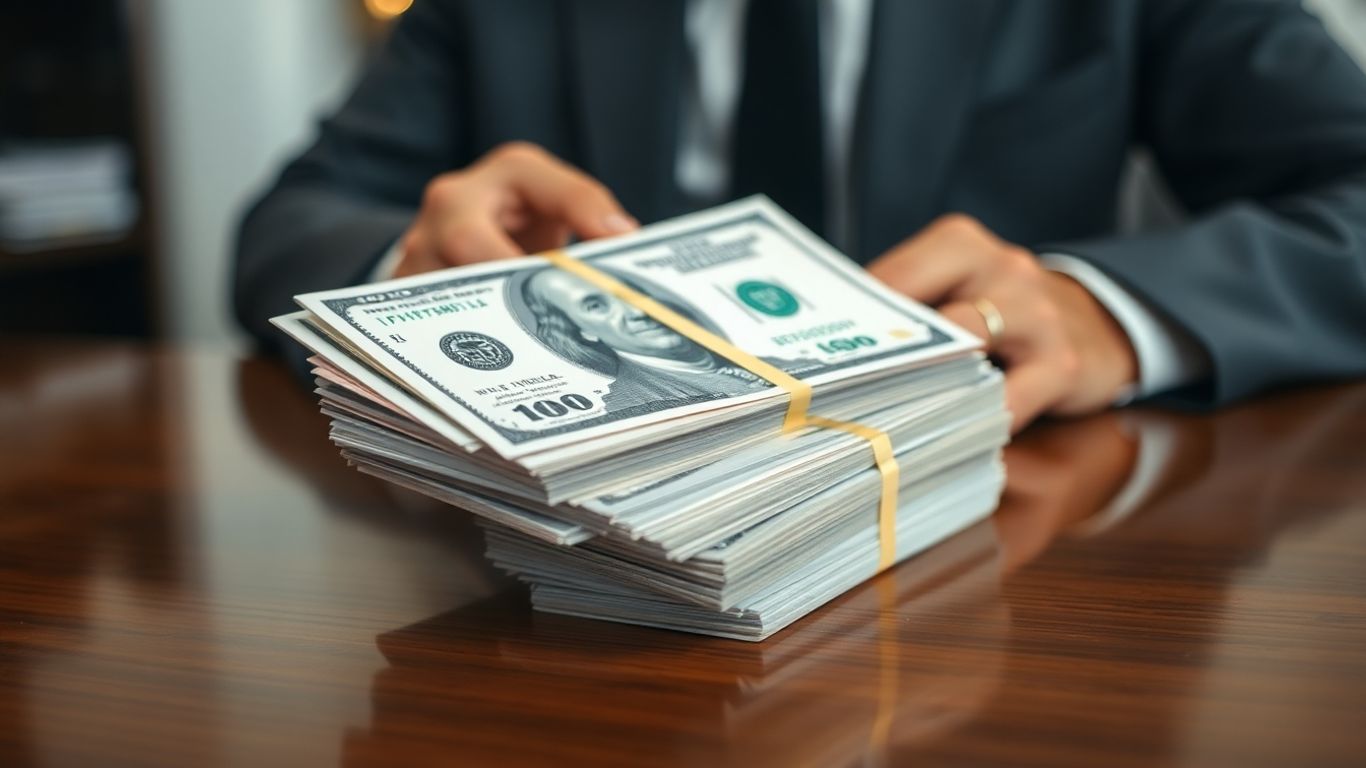
Super PACs, short for "Super Political Action Committees," have become a major force in American elections. These organizations are allowed to collect unlimited sums of money from corporations, unions, and individuals, so long as they do not coordinate directly with candidates or their campaigns. This independence opens the door for large donors and special interests to make their voices heard in ways that are mostly unrestricted.
Here are some details that show just how big a role Super PACs play:
| Election Year | Super PAC Spending (in billions USD) | Number of Active Super PACs |
|---|---|---|
| 2012 | 0.6 | 1,310 |
| 2016 | 1.1 | 2,400 |
| 2020 | 2.1 | 2,600 |
A few key issues surrounding Super PACs:
- Donors can give unlimited amounts, sometimes without easy public traceability.
- While they’re not supposed to coordinate with official campaigns, critics argue this rule is often sidestepped.
- Super PACs focus mostly on running ads, many of which are negative or attack ads, influencing public perception.
There is ongoing debate about whether Super PACs are slush funds for elite interests, or important vehicles for free political expression. For everyday voters, the rise of these groups has changed the landscape: it’s now common to see campaigns awash in cash from sources well beyond any single voter’s reach.
10. Operation Car Wash
Operation Car Wash, known as "Lava Jato" in Brazil, was an extensive corruption investigation that changed the political and business landscape of Latin America. Launched in 2014, this probe started by looking into money laundering at a car wash in Brasília, but soon uncovered a vast web of kickbacks and bribes involving Petrobras, Brazil’s state-run oil giant. At the heart of the scandal were secret slush funds used to pay politicians and executives for favorable contracts.
Here’s a quick look at why Operation Car Wash stands out:
- Billions of dollars were paid out in bribes over several years
- Dozens of top executives and politicians, including former presidents, were implicated
- The scandal sparked investigations and reforms in countries beyond Brazil
| Impact | Number / Amount |
|---|---|
| Bribes revealed | $2 billion+ |
| People investigated | 1,000+ |
| Convictions | 100+ |
Blockquote:
The reach of Operation Car Wash went far beyond Brazil, demonstrating how secret funds can affect governments, companies, and economies across continents.
On a global scale, the case drew parallels with other large financial scandals, even leading leading financiers to change their company structure and avoid similar fallouts, such as one hedge fund manager stepping down following federal investigations. Operation Car Wash is now a symbol for how unreported funds and opaque deals can shatter trust and reshape entire systems.
Conclusion
Looking back at these ten slush fund scandals, it’s clear that hidden money can have a big impact on both politics and business. These cases show how secret funds can be used to cover up wrongdoing, influence decisions, and sometimes even change the course of history. While each example is different, they all highlight the need for more transparency and stronger rules to keep people honest. As long as there are ways to hide money, there will be those who try to use it for their own gain. Learning from these scandals can help us spot warning signs and push for better oversight in the future.
Frequently Asked Questions
What is a slush fund?
A slush fund is a secret stash of money used for unofficial or illegal purposes. People or companies might use it to hide spending, pay bribes, or cover up shady activities.
Why are slush funds illegal or unethical?
Slush funds are often illegal or unethical because they hide money from public view. This can lead to crimes like bribery, fraud, or stealing from others. They also break trust with the public or investors.
How do people usually hide slush funds?
People hide slush funds by using fake companies, secret accounts, or complicated financial tricks. This makes it hard for others to find out where the money is really going.
What are some signs that a slush fund might exist?
Some signs include missing money, strange payments, or unclear financial records. If a company or group can’t explain where money went, it might be a red flag.
What happens if someone is caught using a slush fund?
If someone is caught, they can face serious trouble like losing their job, paying big fines, or even going to jail. Companies can be shut down or forced to pay large penalties.
How can slush funds hurt regular people?
Slush funds can hurt regular people by stealing from them or making prices higher. When companies or politicians use slush funds, it can also destroy trust in businesses or the government.

Peyman Khosravani is a global blockchain and digital transformation expert with a passion for marketing, futuristic ideas, analytics insights, startup businesses, and effective communications. He has extensive experience in blockchain and DeFi projects and is committed to using technology to bring justice and fairness to society and promote freedom. Peyman has worked with international organizations to improve digital transformation strategies and data-gathering strategies that help identify customer touchpoints and sources of data that tell the story of what is happening. With his expertise in blockchain, digital transformation, marketing, analytics insights, startup businesses, and effective communications, Peyman is dedicated to helping businesses succeed in the digital age. He believes that technology can be used as a tool for positive change in the world.








