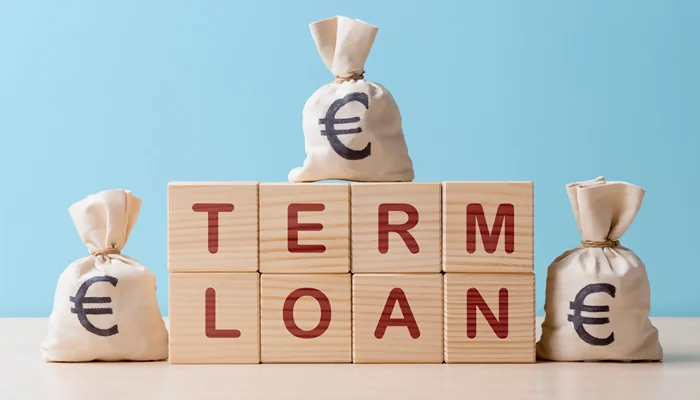
How do loan terms affect the cost of credit? For answer You need to understand concepts such as interest rates, payment terms, and total cost.
The rules of a loan, such as the interest rate, the length of the loan, and the amount you borrow, all affect the real cost of the loan. If you take a long time to repay the loan, your monthly payment will be lower, but you will pay more interest in total. If you choose a shorter repayment period, your monthly payment will be higher, but you will pay less interest overall.
How do loan terms affect the cost of credit?
When you want to borrow money, it is essential to understand how loan terms (also called loan rules) affect the total amount you will pay back. No matter if you want a house loan, car loan, or personal loan, the loan terms decide how much you will pay in the end. These terms affect your interest rate, your monthly payment, and the total cost of the loan.
In this simple guide, we will explain what things change the cost of a loan, how loan terms affect these costs, and how to choose the best loan for your financial situation. If you want to borrow money wisely and pay less in the long run, this guide will help you understand everything easily.
Read More:
How can short term goals best lead towards accomplishing long term career goals?
What document explains your rights and responsibilities as a federal student loan borrower?
Mortgage loan society Mortgage
What Are Loan Terms?
Loan terms are the rules that the lender gives you about how you will pay back the money you borrow. The most crucial loan terms are:
- Interest Rate: This is the extra percentage of money you must pay on top of the amount you borrowed.
- Repayment Period: This means how long you have to pay back the loan.
- Loan Amount: This is the total money you borrow from the lender.
- Loan Type: This tells you if the loan is secured (has something as a guarantee) or unsecured (no guarantee), and if the interest rate stays the same or can change.
All these things change how much your loan will really cost. So, before you take a loan, think carefully about each one.
How Do Loan Terms Influence the Cost of Credit?
Loan terms decide how much money you will really pay for your loan. Let’s make it simple and see how each part changes the total cost.

Interest Rates and How They Change the Loan Cost
The interest rate is one of the most essential parts of a loan. It shows how much extra money you must pay for borrowing. The interest rate changes both your monthly payment and the total amount you will pay back.
- High Interest Rate: If the rate is high, your monthly payments will be higher, and you will pay more money in total.
- Low Interest Rate: If the rate is low, your monthly payments will be smaller, and you will pay less overall.
When you take a loan, always carefully review the interest rate the lender offers. Your credit score also matters — people with higher credit scores usually get lower interest rates, which helps them save money.
Repayment Period and How It Changes the Total Cost
The repayment period is the time it will take you to repay the loan. The time you choose can change how much you pay every month and how much extra money (interest) you pay in total.
- Short Loan Term: If you choose a short time to pay back the loan, your monthly payments will be higher, but you will pay less interest overall. This is because you pay off the loan faster, so there is less time for interest to accrue.
- Long Loan Term: If you choose a longer time to pay back the loan, your monthly payments will be smaller, but you will pay more interest in total. Even though it looks cheaper each month, in the end, it costs more money because the loan lasts longer.
Secured and Unsecured Loans
The kind of loan you choose also changes how much you will pay.
A secured loan means you give something valuable, like your house or car, to the lender as a promise (called collateral). Because the lender has this security, the interest rate is usually lower.
An unsecured loan means you don’t give anything as collateral. Since the lender takes a bigger risk, the interest rate is usually higher.
How does this change the cost?
- Secured Loans: Lower interest rate, but if you don’t pay back the loan, you can lose your house, car, or other item you used as collateral.
- Unsecured Loans: Higher interest rate, but you don’t risk losing your things — it’s just harder to get and costs more in interest.
Points and Fees: Extra Costs You Should Know
Some loans have extra costs that make borrowing more expensive. These additional costs are called fees and can include loan origination fees, closing costs, or points.
A point means 1% of the loan amount. For example, if you borrow $100,000, then one point is $1,000.
Paying points can lower your interest rate, which helps you pay less money over time. But it also means you pay more money upfront, so the loan costs more initially.

How Loan Terms Affect Your Monthly Payments
When you take a loan, one of the most important things to think about is how the loan rules will change your monthly payment. Here is how each part of the loan affects what you pay every month:
Interest Rate and Monthly Payment
The interest rate is a big part of your loan. If the interest rate is high, your monthly payments will be bigger. If the interest rate is low, your monthly payments will be smaller.
Repayment Period and Payment Amount
If you choose a longer repayment term for your loan, your monthly payments will be smaller, but you will pay more interest in the end.
For example, a 30-year house loan has smaller monthly payments than a 15-year house loan, but the total interest you pay will be much higher.
Loan Amount
If you borrow more money, your monthly payments will be higher. But you can get a lower interest rate or a longer repayment term. In that case, your monthly fees can be smaller and easier to manage.
How Do Loan Terms Affect Your Credit Score?
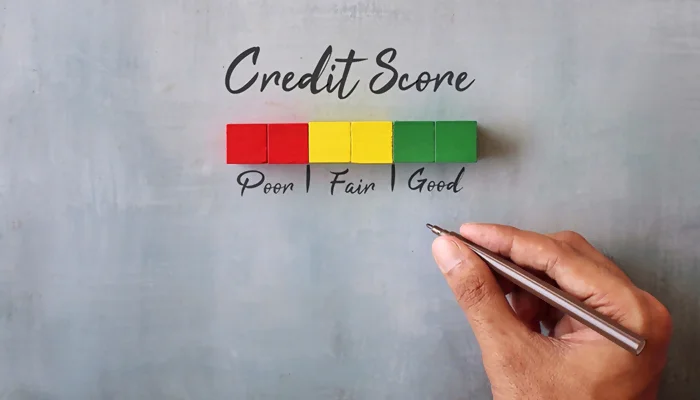
Taking a loan can sometimes improve and sometimes worsen your credit score. The loan rules (terms) decide how much money you borrow and how fast you pay it back, and both can affect your credit score.
- On-time Payments: If you pay your loan on time, including both the main amount (called principal) and the interest, your credit score will go up. Paying on time always helps your score.
- Credit Use (Utilization): If you borrow a lot of money, it means you are using more of your available credit. This can lower your credit score if you don’t manage your payments well.
- Debt-to-Income Ratio: Lenders look at how much you owe compared to how much you earn. If your monthly payments are too high relative to your income, it can signal too much debt, which can hurt your credit and make it harder to get new loans.
FAQs
How do loan terms influence the cost of credit?
The total cost of a loan mainly depends on three things: the interest rate, the time you take to pay it back, and the amount of money you borrow. If you choose a more extended loan repayment period, you will usually pay more overall because the interest keeps accruing.
How Do Loans Affect Credit?
Loans affect your credit score depending on how well you pay them. If you pay on time, your score goes up. If you miss payments, your score goes down.
How Does Credit Affect Loan Terms?
Your credit score changes the loan rules you get. A higher score usually means better terms, such as a lower interest rate, smaller monthly payments, or a larger loan amount.
What Changes the Cost of a Loan?
The cost of a loan depends on several factors: the interest rate, how much you borrow, how long you take to pay it back, any extra fees, and the type of loan (secured or unsecured).
It is essential to understand how loan terms (loan rules) affect the total cost of a loan before you borrow money. By looking at things like the interest rate, how long you have to pay, and the payment schedule, you can control how much the loan will really cost and make wise money choices.
Always check loan terms carefully. You can also use loan calculators to see how different rules change your monthly payments and total cost.
To get the best deal, compare different lenders and make sure the loan fits your budget and future financial goals. Whether it is a house loan, car loan, or personal loan, knowing how loan terms affect the cost helps you manage your money and debt safely.

Peyman Khosravani is a global blockchain and digital transformation expert with a passion for marketing, futuristic ideas, analytics insights, startup businesses, and effective communications. He has extensive experience in blockchain and DeFi projects and is committed to using technology to bring justice and fairness to society and promote freedom. Peyman has worked with international organizations to improve digital transformation strategies and data-gathering strategies that help identify customer touchpoints and sources of data that tell the story of what is happening. With his expertise in blockchain, digital transformation, marketing, analytics insights, startup businesses, and effective communications, Peyman is dedicated to helping businesses succeed in the digital age. He believes that technology can be used as a tool for positive change in the world.