
Ever wonder who decides what opinions make it into the Financial Times? It’s a pretty big job, really. The financial times opinion editor has a hand in shaping how we all think about what’s happening around the world. It’s not just about picking articles; it’s about guiding conversations and making sure we get a good look at different sides of the story. Let’s take a peek behind the curtain.
Key Takeaways
- The financial times opinion editor guides global discussions and brings different viewpoints to light.
- They work to make sure the news is balanced and fair, even when talking about tough world problems.
- The job involves picking important topics and finding smart people to write about them.
- They aim to help readers understand big global events through clear writing and strong arguments.
- The goal is to offer clear thinking in a world full of noise, reaching people who want to know more.
The Role Of The Financial Times Opinion Editor
Guiding Global Conversations
The Financial Times Opinion Editor plays a big part in shaping how we talk about important world events. Think of them as a conductor for a global orchestra of ideas. They don’t just pick topics; they help set the stage for discussions that matter, connecting readers to the big issues affecting economies, politics, and societies worldwide. It’s about making sure the right conversations are happening, and that they’re informed by solid thinking.
Championing Diverse Perspectives
It’s not enough to just talk about issues; you have to hear from different people. The Opinion Editor works to bring a wide range of voices to the table. This means looking for writers and thinkers from all sorts of backgrounds and with different viewpoints. The goal is to show that complex problems rarely have simple answers, and that understanding various angles is key to getting a clearer picture. This commitment to variety helps prevent echo chambers and encourages a more complete understanding of the world.
Upholding Journalistic Integrity
In a world where information can spread quickly, and sometimes inaccurately, maintaining trust is super important. The Opinion Editor has a responsibility to make sure that the content published meets high standards. This involves checking facts, being fair, and being clear about the difference between opinion and news reporting. It’s about building confidence with readers, so they know they’re getting thoughtful, well-reasoned perspectives they can rely on.
Navigating A Complex Global Landscape
Addressing Interconnected Challenges
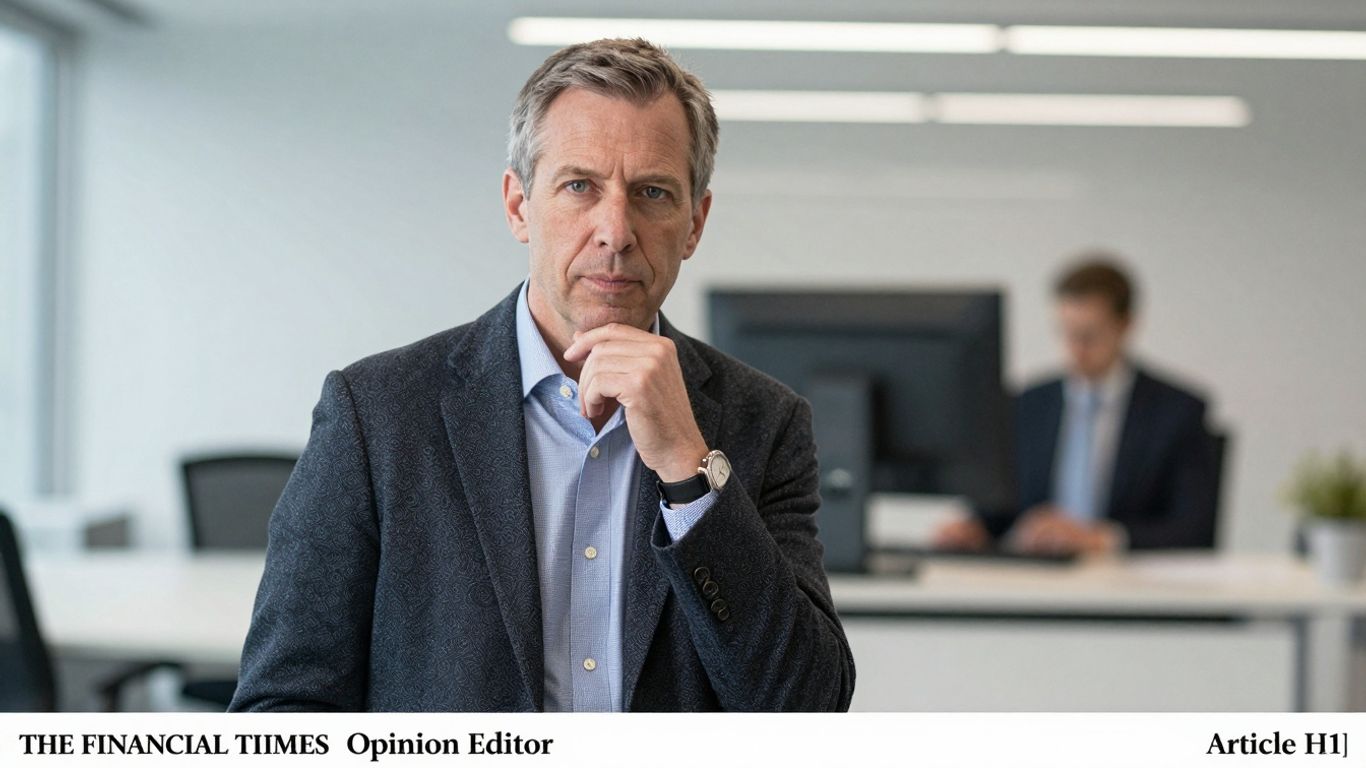
The world today feels smaller, doesn’t it? What happens in one corner can quickly ripple across continents. Think about supply chains – a hiccup in one country can lead to empty shelves far away. Or consider climate change; it’s a global issue that needs global solutions. The Financial Times Opinion Editor has the job of making sense of these big, tangled problems for readers. It’s not just about reporting what’s happening, but explaining why it matters and how different parts of the world are linked.
This interconnectedness means that simple answers rarely cut it anymore. We’re seeing major stories unfold that affect everyone, from health crises to shifts in political power. Understanding these requires looking beyond borders and seeing the bigger picture. It’s a constant challenge to keep up with the pace of change and the sheer volume of information.
Fostering Informed Public Discourse
With so much information flying around, it’s easy to get lost or even misled. The role here is to help cut through the noise. It involves presenting different sides of an argument clearly, so people can form their own opinions based on solid facts. This means not shying away from difficult topics but approaching them with a commitment to clarity and fairness. It’s about creating a space where thoughtful discussion can happen, even when people disagree.
To do this well, the Opinion section often looks at:
- Identifying the most pressing global issues.
- Explaining the background and context of these issues.
- Highlighting the potential consequences of different actions or inactions.
The goal is to equip readers with the knowledge they need to understand complex events and participate meaningfully in public conversations. It’s a big responsibility, especially when trust in news sources can be shaky.
Building Trust In Media
Let’s be honest, trust in the media has taken a hit. In this environment, the Opinion Editor plays a part in rebuilding that trust. This happens through consistent quality, transparency about the editorial process, and a clear commitment to presenting a range of viewpoints. It’s about showing readers that the FT Opinion section is a reliable place to turn for well-reasoned analysis. They aim to provide a steady hand, offering clarity in a world that often feels chaotic. For those managing complex financial operations, tools like hedge fund software are also key to maintaining trust and accuracy in their own fields.
The Editorial Process
Selecting Key Issues
The Financial Times Opinion section doesn’t just pick topics at random. It’s a careful process, really. The editors look at what’s happening in the world right now, the big stories that affect lots of people. Think about things like the economy, big political shifts, or major global events. They want to focus on subjects that matter, the ones that people are talking about or should be talking about. It’s about finding the pulse of what’s important.
Curating Expert Voices
Once a topic is chosen, the next step is finding the right people to write about it. This isn’t about just anyone; it’s about bringing in voices that have something smart to say. They look for writers who know their stuff, people with real experience or deep knowledge in the area. This could be academics, business leaders, former policymakers, or seasoned journalists. The goal is to get a range of informed opinions, not just one viewpoint. It’s like putting together a panel of experts for a really important discussion.
Ensuring Balanced Reporting
This is a big one. The FT Opinion section aims to show different sides of an issue. They don’t want to just present one argument. They actively seek out writers who might have contrasting views. This doesn’t mean giving equal weight to every single opinion, but it does mean showing the complexity. The aim is to give readers the information they need to form their own conclusions. It’s about presenting a full picture, not a one-sided story. This careful selection and balancing act is what helps build trust with the readers.
Shaping Opinion Through Insight
The Power Of Persuasive Argument
Opinion pieces at the Financial Times aim to do more than just report the news; they seek to explain why it matters. This involves crafting arguments that are not only well-reasoned but also compelling. The goal is to present a clear point of view, supported by evidence and logical thinking, that encourages readers to consider different angles on complex issues. A strong opinion piece can shift perspectives and spark new conversations. It’s about taking a stand, but doing so with intellectual rigor.
Connecting Readers To Global Events
In today’s world, events happening far away can have a direct impact on our lives. The Opinion section works to bridge that gap. By analyzing global developments, from economic shifts to political changes, and explaining their local or personal relevance, the FT helps readers understand the bigger picture. This connection is made through clear writing that breaks down complicated subjects into understandable parts. It’s about showing how international affairs shape our daily reality.
Driving Thoughtful Debate
The Financial Times Opinion section is a space for serious discussion. It invites readers to engage with different viewpoints and to form their own informed opinions. This is achieved by presenting a range of perspectives on important topics, encouraging a back-and-forth of ideas. The aim is to move beyond simple agreement or disagreement, pushing for a deeper consideration of the issues at hand. This process helps build a more informed public discourse.
Here’s how the process generally works:
- Identifying Topics: Editors look for subjects that are currently important and likely to affect a wide audience.
- Finding Writers: They seek out individuals with deep knowledge and unique insights into these subjects.
- Refining Arguments: Writers and editors work together to make sure the arguments are clear, well-supported, and easy to follow.
The aim is to present ideas in a way that is both accessible and thought-provoking. It’s about making complex subjects understandable without losing their depth. This approach helps readers engage more fully with the world around them.
The Financial Times Opinion Editor’s Vision
Adapting To New Media
The media landscape is always shifting, and staying ahead means embracing new ways to share information. The Financial Times Opinion Editor looks at how we can use different platforms to get our ideas out there. It’s not just about writing articles anymore; it’s about thinking about how people consume news today. This means considering things like podcasts, short videos, and interactive graphics. The goal is to make sure the FT’s sharp analysis reaches people wherever they are.
Reaching A Curious Global Audience
There’s a huge appetite for well-reasoned opinions from around the world. The FT’s opinion section aims to connect with readers who want to understand complex global events. This involves not just reporting facts, but providing context and different viewpoints. We want to be a go-to source for anyone trying to make sense of what’s happening globally. It’s about building a community of informed individuals who engage with ideas and discussions. This requires a constant effort to understand what our readers care about and how they want to receive information.
Providing Clarity In A Noisy World
In today’s world, there’s a lot of information, and not all of it is helpful. It can be hard to tell what’s important or true. The FT’s opinion section works to cut through that noise. We focus on clear, well-argued pieces that help readers understand the core issues. This means simplifying complex topics without losing their depth. It’s about offering a steady hand in a fast-moving environment. Think of it like finding a quiet room to think when everything else is loud. We aim to be that space for thoughtful consideration, helping people form their own informed opinions on everything from economic trends to political shifts. This approach is vital for anyone trying to understand the intricacies of global finance, much like understanding the different strategies employed by hedge funds.
Looking Ahead
The role of an opinion editor, especially at a publication like the Financial Times, is more than just picking what gets published. It’s about guiding conversations that matter on a global scale. As the world faces complex issues, from economic shifts to social changes, the opinions shared and debated on these pages help shape how we all understand and react to these events. It’s a job that requires a keen eye for what’s important and a steady hand in presenting diverse viewpoints, all while keeping the focus on clear, accessible discussion for a wide readership. The work done here directly influences how people think about the big questions of our time.
Frequently Asked Questions
What does the Financial Times Opinion Editor actually do?
Think of the Opinion Editor as a guide for important discussions. They help pick the best ideas and writers to talk about big world issues, making sure different viewpoints are heard. It’s all about helping people understand what’s happening globally.
Why is it important for news to cover global topics?
Because our world is super connected now! Problems like climate change or health crises don’t stop at borders. The Opinion Editor helps us see how these global events affect everyone and why it’s smart to have a clear picture of them.
How does the FT decide which opinions to publish?
It’s a careful process. They look for topics that matter right now and find smart people, experts in their fields, to write about them. The goal is to present different sides of an issue fairly so readers can make up their own minds.
How does the Financial Times try to make people think more deeply about news?
By sharing well-written articles that explain complex topics clearly. They connect what’s happening in the world to what readers care about, sparking thoughtful conversations and debates among people.
What’s the main goal for the Financial Times Opinion section?
To be a trusted source of clear thinking in a world full of confusing information. They want to reach curious people everywhere, helping them understand complicated global events and making sense of the news without all the noise.
How does the FT ensure its opinions are trustworthy?
They focus on presenting different viewpoints and making sure the reporting is fair. By bringing in knowledgeable voices and explaining issues clearly, they build trust with readers who want reliable information.

Peyman Khosravani is a global blockchain and digital transformation expert with a passion for marketing, futuristic ideas, analytics insights, startup businesses, and effective communications. He has extensive experience in blockchain and DeFi projects and is committed to using technology to bring justice and fairness to society and promote freedom. Peyman has worked with international organizations to improve digital transformation strategies and data-gathering strategies that help identify customer touchpoints and sources of data that tell the story of what is happening. With his expertise in blockchain, digital transformation, marketing, analytics insights, startup businesses, and effective communications, Peyman is dedicated to helping businesses succeed in the digital age. He believes that technology can be used as a tool for positive change in the world.