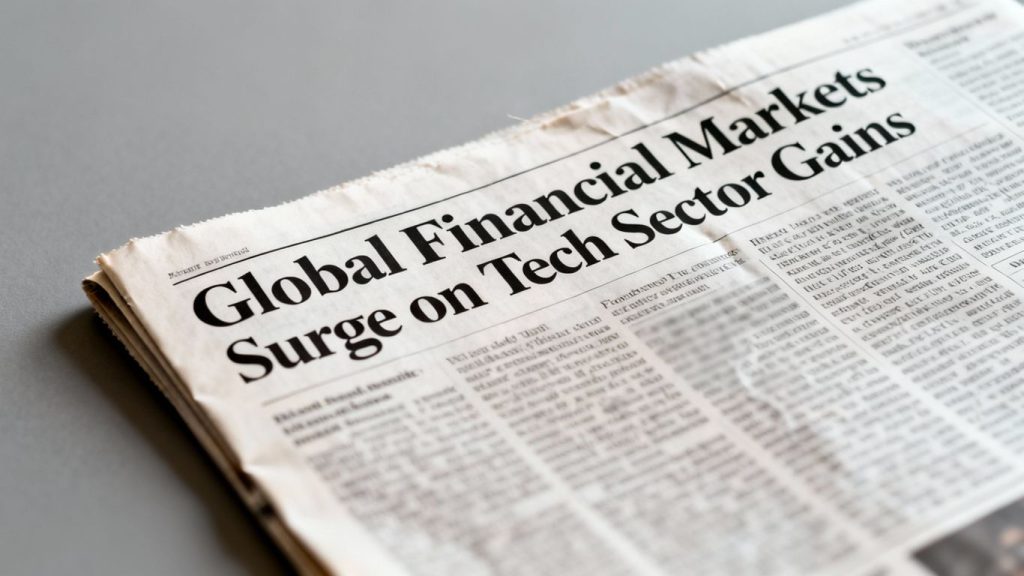
Staying on top of the financial world can feel like a lot. Markets shift, news comes out fast, and sometimes it’s hard to know where to even start. This guide is here to help. We’ll look at some of the best places to get your financial news and information, making sure you’re informed without getting overwhelmed. Think of this as your go-to for understanding what’s happening in the markets and how it might affect you. We’ll cover where to find reliable news, how to understand the numbers that matter, and which publications are worth your time. It’s all about making finance a little less confusing.
Key Takeaways
- A good finance newspaper or website is your best bet for understanding market changes and economic news.
- Look for sources that break down complex topics like market dynamics and economic indicators into plain language.
- Publications like The Wall Street Journal, Financial Times, and Bloomberg offer deep dives into global finance.
- Financial newsletters can provide quick, daily or weekly summaries of market trends and expert opinions right to your inbox.
- Reliable news outlets such as Reuters and Forbes focus on unbiased reporting and business leadership, helping you make smarter money choices.
Navigating Today’s Financial Landscape
Understanding Market Dynamics
The financial markets can seem like a complex maze, but understanding the basic forces at play is the first step to making sense of them. Think of it like this: supply and demand are always at work. When more people want to buy something than sell it, prices tend to go up. The opposite is also true. Beyond this simple principle, many other factors influence market movements. These include economic news, company performance reports, and even global events. Keeping an eye on these interconnected elements helps paint a clearer picture of where markets might be headed. It’s not about predicting the future with certainty, but about understanding the probabilities and risks involved. For those new to this, exploring resources on how to start investing can be a good initial step.
Key Economic Indicators to Watch
Several data points are released regularly that give us clues about the health of the economy. These are like the vital signs for a country’s financial well-being. Some of the most important ones include:
- Gross Domestic Product (GDP): This measures the total value of goods and services produced. A growing GDP generally signals a healthy economy.
- Inflation Rate: This tells us how quickly prices for goods and services are rising. High inflation can erode purchasing power.
- Unemployment Rate: This shows the percentage of the labor force that is jobless and actively seeking work. A low unemployment rate usually indicates a strong job market.
- Interest Rates: Set by central banks, these influence the cost of borrowing money. They affect everything from mortgages to business loans.
Understanding these indicators helps you gauge the broader economic environment, which in turn impacts investment decisions.
Global Financial Trends
Today’s markets are more connected than ever. What happens in one part of the world can quickly affect others. For instance, changes in oil prices, trade policies between major countries, or political stability in key regions can send ripples through global financial systems. It’s also worth noting the increasing influence of technology on markets, from high-frequency trading to the rise of digital currencies. Staying informed about these broad shifts is important for anyone looking to understand the bigger picture. Keeping up with international news sources can provide a wider perspective on these developing trends.
Essential Resources for Financial Literacy
Getting a handle on your finances doesn’t require a degree in economics. Thankfully, the internet offers a wealth of information to help you understand the financial world better. Whether you’re just starting out or looking to deepen your knowledge, these resources can make a big difference.
Reputable Finance News Websites
Staying informed about market movements and economic shifts is key. Several websites provide reliable news and analysis. These platforms often break down complex topics into understandable pieces, helping you make sense of financial events as they unfold. Regularly checking these sites can keep you ahead of the curve.
Here are a few types of sites to look for:
- General Finance News: These sites cover a broad range of topics, from stock market updates to personal finance tips. They aim to make financial news accessible to everyone.
- Investment-Focused Sites: These platforms often provide more in-depth analysis of specific stocks, industries, and investment strategies. They might offer data and tools for those who want to dig deeper.
- Personal Finance Blogs and Sites: Focused on everyday money management, these resources offer advice on budgeting, saving, debt management, and planning for the future. They are great for practical, actionable tips.
For example, sites like Investopedia are excellent for definitions and tutorials, while others focus on current market events. Many also offer newsletters to keep you updated.
In-Depth Investment Analysis Platforms
Beyond daily news, understanding investment opportunities requires more detailed analysis. These platforms go beyond surface-level reporting, offering tools and data that help investors make more informed choices. You can find research reports, historical data, and analytical tools that shed light on company performance and market trends. Some platforms even provide educational content to help you learn different analysis techniques.
Personal Finance Guidance Tools
Managing your personal finances is just as important as understanding the broader markets. These tools and resources are designed to help you with everyday money matters. They can range from budgeting apps and calculators to educational articles on topics like retirement planning, saving for a down payment, or managing debt. The goal is to provide practical support for improving your financial well-being.
Making sound financial decisions doesn’t have to be complicated. By utilizing the right resources, you can build confidence in managing your money and investments, leading to greater financial security over time.
These resources are invaluable for anyone looking to improve their financial literacy. They provide the knowledge and tools needed to navigate the complexities of personal finance and investment. You can find a lot of helpful information on sites like Tradersdna which offers educational materials and digital resources.
Staying Informed with Leading Finance Publications
Keeping up with the fast-paced world of finance requires reliable sources. Several publications have built a strong reputation for their in-depth reporting and analysis. These aren’t just news sites; they are institutions that shape how we understand markets and economic shifts.
The Wall Street Journal’s Market Insights
The Wall Street Journal, often just called the Journal, has been a go-to for business and financial news since 1889. It covers everything from stock market movements to major corporate deals. Their reporting aims to give readers a clear picture of how business decisions impact the broader economy. You can expect detailed articles on industries, company performance, and economic policy.
Financial Times’ Global Coverage
With its distinctive pink pages, the Financial Times (FT) offers a truly international perspective. It’s known for its sharp analysis of global economics, politics, and finance. If you’re interested in how events in one part of the world affect markets everywhere, the FT is a solid choice. They provide daily updates on:
- International market trends
- Geopolitical events influencing finance
- In-depth company profiles
- Economic forecasts from various regions
Bloomberg’s Business Reporting
Bloomberg is a powerhouse in financial news, known for its real-time data and broad coverage. Beyond its terminal services, Bloomberg Businessweek provides weekly insights into business, finance, and technology. They often break down complex topics into understandable pieces, making them accessible to a wide audience. Their reporting is characterized by:
- Timely news updates
- Analysis of market-moving events
- Features on business leaders and innovators
Relying on established publications helps filter the noise and focus on information that truly matters for understanding financial markets and making informed decisions. These sources often have dedicated teams of journalists who specialize in different sectors, providing a depth of knowledge that’s hard to find elsewhere.
These publications are more than just news outlets; they are resources that help build a solid foundation for financial literacy and informed decision-making in today’s complex markets.
Leveraging Financial Newsletters
In today’s fast-paced financial world, staying informed is key, but not everyone has hours to spend poring over market reports. This is where financial newsletters come in. They act as a curated digest, bringing important market updates and analysis directly to your inbox. Think of them as your personal financial briefing, ready when you are.
Curated Market Briefings
Many newsletters focus on providing a concise overview of the day’s or week’s most significant market movements. These briefings often highlight key economic data releases, major corporate news, and shifts in investor sentiment. They are designed for quick consumption, allowing you to grasp the main points without getting lost in the details. This focused approach helps you quickly identify what truly matters for your financial decisions. For instance, a newsletter might summarize the impact of a central bank’s interest rate decision or a significant earnings report, saving you the time of sifting through multiple sources.
Daily and Weekly Updates
Newsletters come in various frequencies, with daily and weekly editions being the most common. Daily updates offer a real-time pulse on the markets, perfect for active traders or those who need to react quickly to news. Weekly summaries, on the other hand, provide a broader perspective, recapping the week’s trends and offering insights into longer-term patterns. This variety means you can choose a delivery schedule that fits your personal or professional needs. Some people prefer the constant stream of information, while others find a weekly recap more manageable for strategic planning.
Expert Analysis Delivered to Your Inbox
Beyond just reporting news, many newsletters feature analysis from seasoned financial professionals. These experts can offer unique perspectives, break down complex financial topics, and even provide actionable ideas. For example, a newsletter might explain the implications of new regulations or analyze emerging industry trends. This expert commentary can be incredibly helpful, especially when dealing with intricate subjects like private equity or mergers and acquisitions. It’s like having a financial advisor’s insights delivered straight to you, helping you make more informed choices. If you’re looking to understand specific market segments, like the world of Forex trading, seeking out newsletters that focus on those areas can be particularly beneficial, perhaps even around times like Black Friday deals for prop firms.
The sheer volume of financial information can be overwhelming. Newsletters serve as a filter, cutting through the noise to present the most relevant developments. By subscribing to a few well-chosen publications, you can maintain a strong awareness of market conditions without sacrificing significant time.
Here are some common types of content you might find:
- Market Summaries: Quick overviews of stock, bond, and commodity performance.
- Economic Data Highlights: Key figures from inflation reports, employment data, and GDP.
- Company News: Significant announcements from publicly traded companies.
- Analyst Commentary: Opinions and insights from financial experts.
- Investment Ideas: Suggestions for potential investment opportunities.
Key Players in Financial Journalism

When it comes to understanding the complex world of finance, reliable news sources are incredibly important. Several organizations have built reputations for their in-depth reporting and analysis. These outlets act as guides, helping individuals and professionals alike make sense of market movements and economic shifts.
CNBC’s Real-Time Market Coverage
CNBC is well-known for its fast-paced reporting on business and financial markets. They provide live updates, interviews with industry leaders, and breaking news that can affect stock prices and economic trends. Their focus is often on the immediate impact of events, making them a go-to for those who need to stay on top of daily market activity. CNBC aims to be a primary source for real-time financial information.
Reuters’ Unbiased Reporting
Reuters has a long-standing commitment to providing news with independence and integrity. As a major international news agency, they cover a vast range of topics, including business, finance, and technology, from a global perspective. Their reporting is often cited for its factual accuracy and lack of bias, which is a significant factor for professionals who rely on objective information for their decisions. They have been reporting news for a very long time, starting back in the 1850s.
Forbes’ Business Leadership Features
Forbes focuses on business, investing, and leadership, often highlighting successful individuals and companies. They provide articles on personal finance, market trends, and innovation, aiming to inform and inspire their readers. Forbes also covers related areas like technology and law, giving a broader view of the business landscape. They are a good place to look for insights into how business leaders think and operate, and how their decisions shape industries. You can find a lot of information on business leadership on their platform.
Tools for Informed Investment Decisions
Real-Time Stock Market Data
Keeping up with the stock market means knowing what’s happening right now. This isn’t about guessing; it’s about having the latest numbers at your fingertips. Think of it like checking the weather before you head out – you want the current conditions, not yesterday’s forecast. Tools that provide real-time stock market data show you price changes as they occur, helping you see how news or events are affecting specific companies or the market as a whole. This immediate feedback is pretty important for making timely choices.
Advanced Financial Market Tools
Beyond just seeing prices, there are tools that offer deeper insights. These can include things like:
- Charting software: These let you visualize price movements over time, spotting patterns that might not be obvious from raw numbers alone.
- Economic calendars: These list upcoming economic events, like interest rate announcements or employment reports, that can move markets.
- Screeners: These help you filter through thousands of stocks based on specific criteria you set, like a company’s size or its recent performance.
These tools go beyond basic information, giving you ways to analyze trends and find opportunities that fit your strategy.
Actionable Investment Ideas
Sometimes, you need a starting point or a different perspective. This is where resources that provide actionable investment ideas come in. They might present research on specific companies or sectors, suggesting potential opportunities based on analysis. It’s not about telling you exactly what to buy, but rather giving you well-researched suggestions that you can then look into further yourself. These ideas can help broaden your search and introduce you to possibilities you might not have considered otherwise.
Having access to reliable data and analytical tools can make a significant difference in how you approach investing. It’s about building a solid foundation for your decisions, rather than relying on hunches. The more informed you are, the more confident you can be in your investment path.
Understanding Diverse Financial Topics

Personal Finance and Wealth Growth
Managing your money effectively is the bedrock of financial well-being. This involves more than just earning an income; it’s about how you save, spend, and invest that income. For many, the journey starts with creating a realistic budget. This isn’t about restriction, but about understanding where your money goes so you can direct it towards your goals. Think about setting aside funds for emergencies, planning for retirement, and making informed decisions about debt. Building wealth is a marathon, not a sprint, and consistent, smart choices over time make all the difference.
Key areas to focus on include:
- Budgeting: Tracking income and expenses to control spending.
- Saving: Setting aside money for short-term needs and long-term goals.
- Investing: Growing your money through various assets like stocks, bonds, or real estate.
- Debt Management: Strategically paying down liabilities to reduce interest costs.
- Retirement Planning: Ensuring financial security in your later years.
Understanding these components helps you build a solid financial foundation. Resources like Investopedia can help clarify terms and concepts as you learn.
Business and Economic Trends
Keeping an eye on the broader business and economic landscape is important for anyone involved in finance. Economic indicators provide snapshots of the economy’s health, influencing everything from interest rates to job growth. Things like Gross Domestic Product (GDP), inflation rates, and unemployment figures tell a story about how the economy is performing. Businesses operate within this environment, and their success or struggles can ripple through markets. Understanding these connections helps you make better investment choices and grasp the forces shaping the financial world. For instance, shifts in global trade or new regulations can significantly impact industries.
Here’s a look at some key indicators:
| Indicator | What it Measures |
|---|---|
| GDP | Total value of goods and services produced |
| Inflation Rate | Rate at which prices for goods and services rise |
| Unemployment Rate | Percentage of the labor force without jobs |
| Interest Rates | Cost of borrowing money |
Staying informed about these trends can provide a clearer picture of where the economy is headed. Publications like the Financial Times offer in-depth analysis of these shifts.
Technology and Market Innovations
The financial world is constantly evolving, and technology plays a huge role in this. Think about the rise of digital currencies, the use of artificial intelligence in trading, or the development of new payment systems. These innovations can create new opportunities but also introduce new risks. For example, fintech companies are changing how we access financial services, making them faster and often more convenient. Understanding these technological advancements is becoming increasingly important for investors and consumers alike. It’s about recognizing how new tools and platforms are reshaping markets and financial behavior. The world of hedge fund strategies, for example, is heavily influenced by quantitative approaches and technological advancements [1707].
Consider these areas:
- Fintech: Innovations in financial technology.
- Cryptocurrencies: Digital or virtual currencies.
- Artificial Intelligence: Use in trading algorithms and data analysis.
- Blockchain: The technology behind many digital currencies.
The pace of technological change in finance means that what seems cutting-edge today might be standard practice tomorrow. Staying curious and open to learning about these shifts is key to adapting.
Wrapping Up Your Market Journey
So, we’ve looked at a lot of places to get your financial news. It’s a big world out there, with markets changing all the time. Staying informed is key, whether you’re just starting out or you’ve been doing this for years. Think of these resources as your toolkit. Use them to build your knowledge, make better choices with your money, and feel more confident about your financial future. Keep reading, keep learning, and you’ll be well on your way.
Frequently Asked Questions
What are the best ways to learn about money and the stock market?
You can learn a lot by reading reliable finance news websites and in-depth analysis platforms. Many sites offer free information on investing, business news, and personal finance tips. Think of them as your guides to understanding how money works.
Why should I read finance news regularly?
Reading finance news helps you understand what’s happening in the world of money. It’s like keeping up with the weather, but for your finances! Knowing about market changes and economic news can help you make smarter choices with your own money.
What is a financial newsletter, and is it useful?
A financial newsletter is like a summary of important money news sent right to your email. They’re great for busy people because they give you the key information without you having to search for it. Many offer daily or weekly updates with expert opinions.
Which news sources are known for good financial reporting?
Some of the most trusted names include The Wall Street Journal, Bloomberg, Reuters, and the Financial Times. They have journalists who cover business and markets closely, offering insights and breaking news.
How can I get started with investing if I’m new to it?
Start by learning the basics from reputable finance websites and publications. Look for resources that explain investing in simple terms. Many platforms offer tools and data that can help you understand stock prices and market trends before you invest.
What’s the difference between personal finance and business news?
Personal finance is all about managing your own money, like saving, budgeting, and investing for yourself. Business and economic news looks at the bigger picture – how companies are doing, what governments are doing with the economy, and global trends that affect everyone.

Peyman Khosravani is a global blockchain and digital transformation expert with a passion for marketing, futuristic ideas, analytics insights, startup businesses, and effective communications. He has extensive experience in blockchain and DeFi projects and is committed to using technology to bring justice and fairness to society and promote freedom. Peyman has worked with international organizations to improve digital transformation strategies and data-gathering strategies that help identify customer touchpoints and sources of data that tell the story of what is happening. With his expertise in blockchain, digital transformation, marketing, analytics insights, startup businesses, and effective communications, Peyman is dedicated to helping businesses succeed in the digital age. He believes that technology can be used as a tool for positive change in the world.