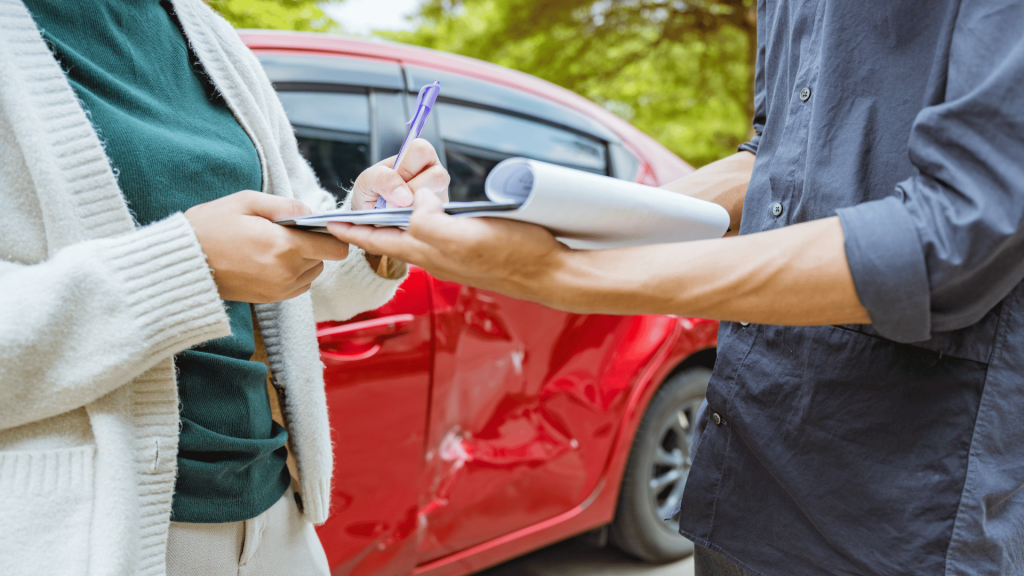
In 2019, motor vehicle crashes cost the United States about $340 billion in measurable economic losses.
That number included medical care, lost income, legal costs, insurance administration, emergency response, workplace losses, traffic delays, and vehicle damage. It also reflected the cost of 36,500 deaths, 4.5 million injuries, and 23 million damaged vehicles.
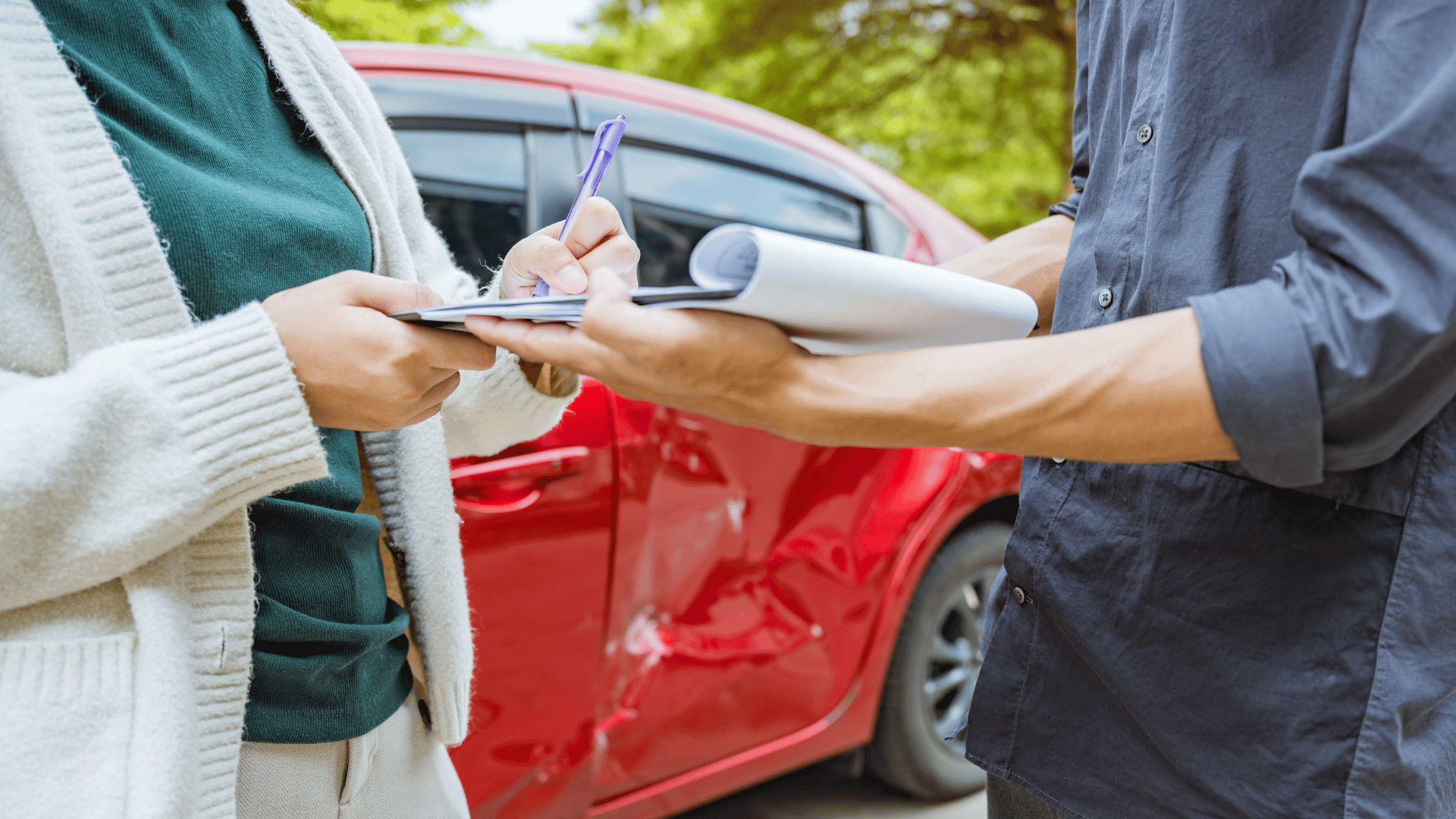
But that was 2019.
By 2025, the number is likely well over $400 billion.
NHTSA’s early estimate shows about 36,640 people died in traffic crashes in 2025, slightly higher than the 2019 fatality count. Add six years of inflation, higher medical costs, more expensive vehicle repairs, rising insurance premiums, and a more complicated claims environment, and the 2019 figure adjusts to roughly $425 billion to $430 billion in today’s dollars.
And that is still only the economic cost. When pain, long-term disability, reduced quality of life, and loss of life are included, the total societal harm could reasonably approach $1.7 trillion in 2025 dollars, based on the 2019 NHTSA estimate adjusted for inflation.
That is the part most people miss. A crash may last seconds. The financial damage can last for years.
Where the Money Goes
Medical Care
This is usually where the cost starts. Ambulance transport. Emergency room treatment. Imaging. Surgery. Follow-up appointments. Physical therapy. Medication. Pain management.
And for many injured people, the first hospital bill is not the full story. Some injuries do not fully show up right away. Neck injuries, back injuries, brain injuries, and soft tissue damage can become more serious over time.
That is one reason early settlement offers can be dangerous. The insurance company may be trying to price the claim before anyone knows what the injury will really cost.
Lost Income and Lost Productivity
When someone cannot work after a crash, the impact hits fast.
A missed paycheck can mean missed rent, late bills, or credit card debt. For business owners, contractors, rideshare drivers, and hourly workers, the financial pressure can be immediate.
But lost wages are only part of it. A serious injury can reduce future earning ability. Maybe someone goes back to work, but not at the same level. Maybe they cannot lift, stand, drive, travel, or work the same hours.
That difference matters.
Vehicle Damage
Cars are more expensive to repair than they used to be.
Modern vehicles have sensors, cameras, software, advanced bumpers, driver-assistance systems, and specialized parts. A crash that once looked like “minor damage” can now create thousands of dollars in repair costs.
Then come rental cars, towing, storage fees, diminished value, and delays.
For many families, losing access to a vehicle also means losing access to work, school, medical appointments, and daily life.
But here is the problem for injured people: the insurance company is not just processing the claim. It is also looking for ways to control the payout.
That can mean questioning treatment, blaming pre-existing conditions, arguing over fault, delaying payment, or offering a quick settlement before the full cost is clear.
Once a settlement release is signed, the claim is typically closed for good, even if future medical issues appear later. That’s one reason early offers don’t always reflect the true cost of a crash. The first offer often reflects what the insurer wants to close the file for, not what the injury may actually cost over time.
Legal and Court Costs
Not every crash becomes a lawsuit. But many claims become disputes.
Fault may be unclear. Medical bills may be challenged. The insurer may argue the injuries are not related to the crash. In truck accidents or multi-vehicle crashes, several companies and insurers may be involved.
That is when legal costs enter the picture.
For injured people, the legal process is often less about “going to court” and more about forcing the other side to take the full claim seriously.
Emergency Services and Public Costs
Police, firefighters, paramedics, road crews, hospitals, and local governments all absorb crash-related costs.
NHTSA found that public revenues paid for about 9% of crash costs in 2019, or around $30 billion. That means taxpayers help carry part of the burden even when they were not involved in the crash.
Congestion and Business Disruption
A crash on a major road can affect thousands of people. Traffic delays. Extra fuel. Missed appointments. Late deliveries. Reduced productivity. More pollution. Those costs are easy to overlook because they are spread across many people, but they are still part of the true economic damage.
A System That’s Still Evolving
And this system isn’t standing still.
Advanced safety features, automatic braking, lane assist, collision warnings, are helping reduce certain types of crashes. At the same time, they’re making vehicles more expensive to repair, which drives up overall claim costs.
Then there’s the next phase: semi-autonomous and self-driving technology.
On paper, fewer human errors should mean fewer accidents. But in practice, these cases are becoming more complex. When a crash involves software, sensors, or assisted driving systems, the question shifts from what happened to who’s responsible—the driver, the manufacturer, or someone else.
That uncertainty adds another layer to an already expensive system.
The Real Problem: The Numbers Keep Growing
Even if fatalities decline in some years, the cost of crashes can still rise.
Medical care is more expensive. Cars are more expensive. Insurance is more expensive. Lost income is more painful in a high-cost economy.
That is why “over $400 billion” is not an exaggeration. It is a conservative way to describe the financial reality of crashes today.
And for the person who was actually hurt, the big national number matters less than one question:
Who is going to pay for what this accident really costs?

Peyman Khosravani is a global blockchain and digital transformation expert with a passion for marketing, futuristic ideas, analytics insights, startup businesses, and effective communications. He has extensive experience in blockchain and DeFi projects and is committed to using technology to bring justice and fairness to society and promote freedom. Peyman has worked with international organizations to improve digital transformation strategies and data-gathering strategies that help identify customer touchpoints and sources of data that tell the story of what is happening. With his expertise in blockchain, digital transformation, marketing, analytics insights, startup businesses, and effective communications, Peyman is dedicated to helping businesses succeed in the digital age. He believes that technology can be used as a tool for positive change in the world.