

Thinking about putting your money to work? A brokerage account is your ticket to the world of investing. It might seem a bit confusing at first, but it’s really just a place to buy and sell things like stocks and bonds. This guide will break down how to get one set up and what to look for, making brokerage investment a lot less scary.
Key Takeaways
- A brokerage account lets you buy and sell investments like stocks and bonds.
- You can choose from different types of accounts, like cash or margin accounts.
- Funding your account is usually as simple as linking it to your bank account.
- Picking the right broker is important; look at their reputation and services.
- Be aware of fees and the risks involved, like market ups and downs, when making a brokerage investment.
Understanding Brokerage Investment Accounts

What Constitutes a Brokerage Account?
A brokerage account is essentially a financial account that acts as your gateway to the world of investing. Think of it as a special type of bank account, but instead of just holding cash, it’s designed for buying and selling various financial products like stocks, bonds, and exchange-traded funds (ETFs). When you open an account with a brokerage firm, you’re entering into an agreement that allows you to participate in the financial markets. You, the investor, typically decide what to buy and sell, though some accounts allow the broker to make those decisions for you. It’s a place where your money can potentially grow by being put to work in different investments.
Key Features of Brokerage Accounts
Brokerage accounts come with several distinct features that set them apart from regular bank accounts. For starters, they offer access to a much wider variety of investment options than you’d typically find at a bank. You can invest in individual stocks, bonds, mutual funds, ETFs, and more. Unlike many retirement accounts, brokerage accounts generally don’t have limits on how much you can contribute each year, giving you more flexibility. Also, when you need your money, you can usually withdraw it without facing early withdrawal penalties, which is a significant difference from accounts like 401(k)s or IRAs. However, it’s important to remember that the money in a brokerage account is invested and can go up or down in value.
- Market Access: Opens doors to diverse financial instruments.
- Contribution Flexibility: No annual limits on how much you can invest.
- Withdrawal Ease: Generally, no penalties for taking money out when you need it.
- Investment Control: You decide where your money goes, unless it’s a managed account.
While brokerage accounts offer great flexibility, it’s important to understand that the value of your investments can change. This means you could potentially lose money.
Types of Brokerage Accounts Available
There are several types of brokerage accounts, each suited for different investor needs. The most common is the standard brokerage account, which is a straightforward account for buying and selling securities. A cash account is a basic type where all transactions are made with the funds available in the account. Then there are margin accounts, which allow you to borrow money from the brokerage to invest more, but this also increases your risk and involves paying interest. For those who prefer a hands-off approach, robo-advisor accounts use algorithms to manage investments, typically in ETFs and mutual funds. Understanding these differences can help you pick the right account for your investment journey, perhaps starting with a platform like Robinhood.
Here’s a quick look at some common types:
| Account Type | Description |
|---|---|
| Standard Account | Basic account for buying and selling investments. |
| Cash Account | Transactions are funded solely by the cash balance in the account. |
| Margin Account | Allows borrowing from the broker to increase buying power; involves interest. |
| Robo-Advisor | Automated investment management using algorithms, often for ETFs and mutual funds. |
| Managed Account | Broker makes investment decisions on your behalf. |
Establishing Your Brokerage Investment Account
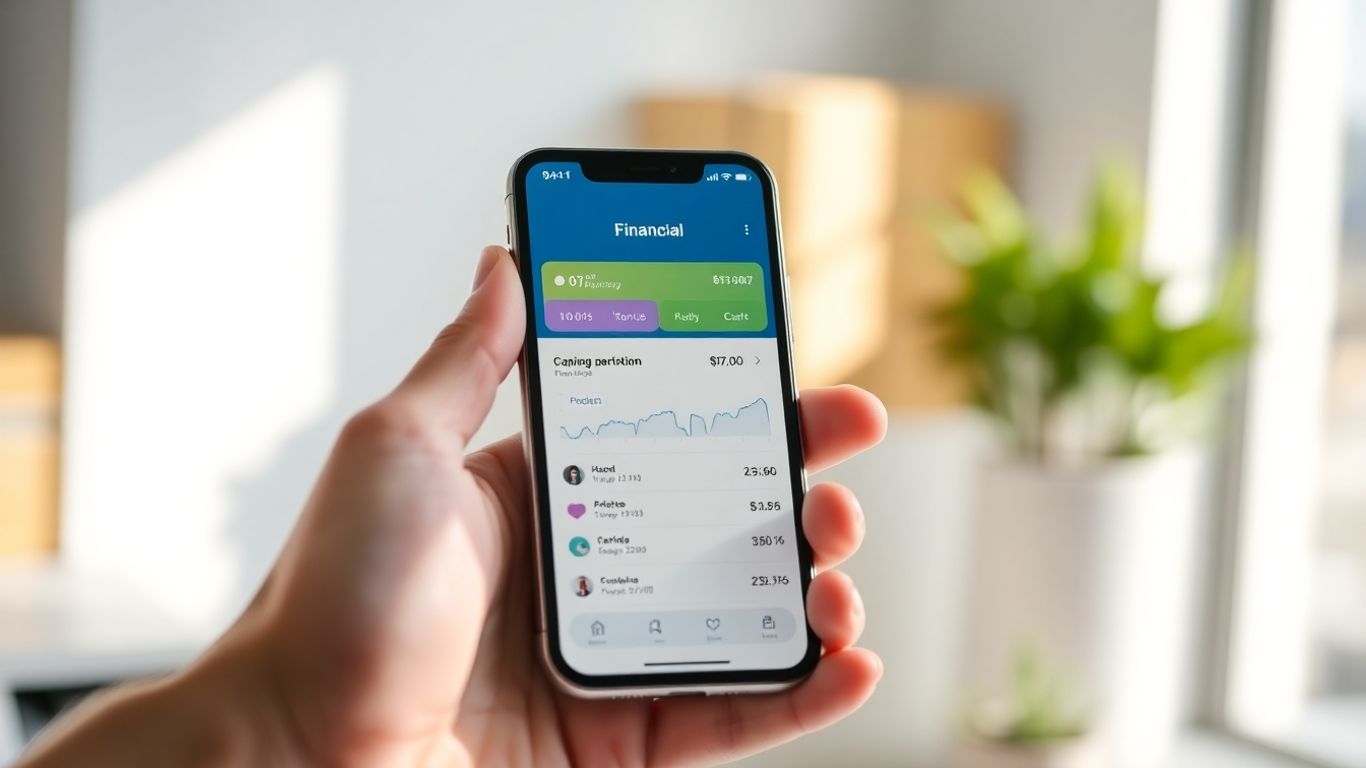
Opening a brokerage account is your first step into the world of investing. It’s not overly complicated, but there are a few things you’ll need to get sorted. Think of it like setting up any other financial account, but with a specific purpose: to buy and sell investments.
Essential Information for Account Setup
When you decide to open an account, the brokerage firm will need to gather some basic information about you. This is standard practice for financial institutions. They need to verify who you are and understand your financial situation a bit. You’ll typically need to provide:
- Personal Identification: This usually includes your Social Security number or Taxpayer Identification Number. You’ll also need a government-issued ID, like a driver’s license or passport.
- Contact Information: Your current address and phone number.
- Employment Details: Information about your current job and employer.
- Financial Snapshot: This might involve your income, net worth, and general financial situation. They might also ask about your investment experience.
The questions asked during setup help the brokerage firm understand your financial goals and how much risk you’re comfortable taking. This information is used to make sure the investments they offer are a good fit for you.
The Application and Verification Process
Once you’ve gathered the necessary information, you’ll fill out the brokerage firm’s application. This is usually done online through their website. You’ll input all the details we just talked about. After submitting the application, the brokerage firm will review it. They need to verify your identity and the information you’ve provided. This process can take anywhere from a few minutes to a few business days, depending on the firm and how quickly they can verify your details. Some firms might require additional documentation if something isn’t clear.
Initial Funding Methods for Your Account
After your account is approved, it’s time to put money into it so you can start trading. There are several common ways to do this:
- Electronic Funds Transfer (EFT): This is often the easiest method. You link your bank account directly to your brokerage account, and funds are transferred electronically. It’s quick and convenient for moving money back and forth. Many people find linking their bank account to their brokerage account to be the simplest way to manage funds.
- Wire Transfer: Similar to EFT, but often used for larger amounts or when you need funds to clear faster. There might be a fee associated with wire transfers.
- Check Deposit: You can mail a physical check to the brokerage firm. They will deposit it into your account. The time it takes for funds to become available can vary.
Once the funds are in your account, you’re ready to start looking at investments. For example, if you’re interested in buying stocks, you’ll need to select a stock you think will do well and then place a buy order through the platform to buy stocks.
Choosing the right brokerage platform is also important, as these platforms are designed to help investors trade more efficiently. They aim to simplify information and reduce the time and risk involved in making investment decisions, which is great for anyone starting out on investment platforms.
Selecting the Ideal Brokerage Investment Partner
Criteria for Choosing a Reputable Broker
Finding the right brokerage firm is like picking a travel companion for a long journey; you want someone reliable, knowledgeable, and aligned with your destination. Start by looking into a broker’s history, their standing in the industry, and whether they are properly regulated. A broker that has been around for a while and has a good name generally means they’re doing things right. You’ll want to check if they have any disciplinary actions against them. A broker’s experience and the range of services they provide are also important. Think about whether you need basic trading or more involved advice.
Aligning Your Broker with Investment Objectives
Your personal investment goals should really guide your choice of broker. Are you aiming for steady, long-term growth, or are you looking to make quicker trades? If you’re focused on growth, you’ll want a broker that gives you access to a wide variety of investment options, like stocks and bonds. For shorter-term goals, perhaps a broker with lower fees would be a better fit. It’s also worth considering if you prefer a hands-off approach where professionals manage your investments, or if you want to be actively involved in every decision. Understanding your own financial aims helps narrow down the field considerably.
Evaluating Brokerage Platforms and Tools
Once you’ve got a shortlist of brokers, it’s time to look at their actual trading platforms. How easy is it to get around the site or app? Can you see market data in real-time? Do they offer tools that help you analyze investments, like charts or research reports? For many people, having a mobile app that works well is also a big plus. A platform that’s easy to use and provides the information you need can make a big difference in how smoothly you can manage your investments. It’s also good to know that brokers often allow trading in different types of assets, such as options and stocks.
Choosing a broker isn’t just about picking the cheapest option; it’s about finding a partner that supports your financial journey with the right tools and services.
Navigating Brokerage Investment Fees and Costs
When you start investing through a brokerage account, it’s really important to get a handle on the costs involved. These fees can add up and really eat into your profits over time, so knowing what to expect is key.
Common Fee Structures in Brokerage Accounts
Brokerages make money in a few different ways. You’ll often see a mix of these, and understanding them helps you pick the right broker for your needs.
- Commissions: This is a fee charged for each trade you make, whether you’re buying or selling stocks, bonds, or other securities. Some brokers have moved to commission-free trading for certain assets, but it’s not universal.
- Account Maintenance Fees: Some brokers charge a regular fee just to keep your account open, especially if your balance falls below a certain threshold. It’s worth checking if your broker has these.
- Advisory or Management Fees: If you opt for a managed account or use a robo-advisor, you’ll likely pay a percentage of your assets under management. This covers the cost of professional management or algorithmic investment selection.
- Transfer Fees: If you decide to move your account to a different brokerage, there might be a fee for that process.
Understanding Commission and Maintenance Charges
Commissions are pretty straightforward – they’re a charge per transaction. For example, a broker might charge $5 for every stock trade. Maintenance fees, on the other hand, are usually charged annually or quarterly. They can be a flat fee or a percentage of your account balance. It’s a good idea to compare these charges across different brokers, especially if you plan to trade frequently or have a smaller account balance. Minimizing these expenses is crucial for maximizing investment growth [d3bf].
Factors Influencing Brokerage Fees
Several things can affect the fees you pay:
- Type of Broker: Discount brokers typically have lower fees than full-service brokers, who offer more personalized advice and research.
- Account Type: Different account types, like cash accounts versus margin accounts, can have different fee structures. Margin accounts, for instance, involve interest charges on borrowed funds.
- Services Used: If you use premium services, like access to advanced trading tools or dedicated financial advisors, these often come with additional fees.
- Investment Products: Some specific investment products, especially alternative investments, might have their own set of fees beyond standard trading commissions [2ed0].
It’s really important to read the fine print. Brokers are required to disclose their fee schedules, and you should take the time to review them carefully before opening an account. Knowing the costs upfront helps prevent surprises down the road and allows you to make more informed decisions about where to invest your money.
Benefits of Brokerage Investment
Opening a brokerage account opens up a world of possibilities for your money. It’s not just about buying stocks; it’s about gaining access to a much larger financial landscape than you might have thought possible.
Access to Diverse Financial Markets
Think of a brokerage account as your ticket to a global marketplace. You’re not limited to just a few options. Instead, you can explore a wide variety of investment types. This includes:
- Stocks: Ownership in publicly traded companies.
- Bonds: Loans to governments or corporations.
- Exchange-Traded Funds (ETFs): Baskets of securities that trade like stocks.
- Mutual Funds: Pooled investments managed by professionals.
- Other Securities: Depending on the broker, you might find options like options, futures, or even alternative investments.
This variety is key for building a well-rounded portfolio. It allows you to spread your money across different asset classes, which can help manage risk. For instance, if the stock market is down, your bond investments might hold steady or even increase in value. Having access to these different markets means you can tailor your investments to your specific financial goals and how much risk you’re comfortable with. It’s a big step up from just keeping money in a savings account. You can even explore funded trading accounts for different market approaches.
Flexibility in Fund Withdrawals
One of the significant advantages of a brokerage account is how easy it is to get your money when you need it. Unlike retirement accounts, like a 401(k) or an IRA, where taking money out early often comes with taxes and penalties, brokerage accounts are much more straightforward. You can withdraw your funds whenever you choose, without facing those extra charges. This flexibility is great for both short-term needs and long-term planning. If an unexpected expense pops up, or if you see a great opportunity elsewhere, you can access your invested capital without a penalty.
The ability to move your money in and out of investments without penalty provides a level of control that many other investment vehicles simply don’t offer. It means your money is working for you, but it’s also accessible when life happens.
Potential for Wealth Accumulation
Ultimately, the goal of investing is to grow your wealth over time, and brokerage accounts provide a powerful platform for this. By investing in assets that have the potential to increase in value, and by reinvesting dividends or capital gains, your money can grow exponentially. There are no limits on how much you can contribute to a standard brokerage account, unlike many retirement plans. This means your potential for growth isn’t capped by contribution limits. As your investments grow, so does your net worth, paving the way for long-term financial security and the achievement of your financial aspirations.
Potential Risks in Brokerage Investment
While brokerage accounts offer a gateway to financial markets, it’s important to acknowledge the potential downsides. Understanding these risks helps you approach investing with a clearer perspective and take steps to protect your capital.
Understanding Investment Volatility
The value of investments can go up and down, and this fluctuation is a normal part of the market. This means the money you invest might be worth less at some point than when you first put it in. It’s not uncommon for investments to experience periods of decline, sometimes quite sharp ones. This is often referred to as market volatility. For instance, a company’s stock price can drop due to poor earnings reports, industry changes, or broader economic downturns. Similarly, bond prices can be affected by interest rate changes. It’s a good idea to be prepared for these swings, especially if you’re investing in assets known for higher volatility, like certain stocks or cryptocurrencies.
The Impact of Fees on Returns
Brokerage accounts often come with various fees that can eat into your profits. These aren’t always obvious at first glance. You might encounter:
- Commissions: A fee charged for each trade you make, whether buying or selling.
- Account Maintenance Fees: Some brokers charge a regular fee just to keep your account open, especially if your balance falls below a certain threshold.
- Advisory or Management Fees: If you use a service that provides investment advice or manages your portfolio, you’ll likely pay a percentage of your assets.
- Transfer Fees: Fees for moving your account or assets to another institution.
These costs, while seemingly small individually, can add up significantly over time and reduce your overall investment returns. It’s why comparing fee structures is so important when selecting a broker.
Mitigating Risks with Reputable Brokers
Choosing a trustworthy brokerage firm is a key step in managing risk. Reputable brokers are typically regulated by financial authorities, which provides a layer of oversight and protection. For example, in the U.S., the Securities Investor Protection Corporation (SIPC) offers some protection for customer accounts if a brokerage firm fails, though it doesn’t protect against investment losses themselves.
When selecting a broker, look for firms that are transparent about their fees and clearly outline their services. Checking their regulatory status and reading reviews can also provide insight into their reliability. A well-established broker can offer stability and resources that help you navigate the investment landscape more safely. You can find many online trading platforms that cater to different investor needs, some even offering advanced technologies for professional traders.
It’s also wise to diversify your investments across different asset classes to avoid putting all your eggs in one basket. This strategy can help cushion the impact if one particular investment performs poorly. Remember, even with the best precautions, investment losses are possible, but understanding and preparing for these risks can lead to a more secure investment journey. You can start by researching how to open a brokerage account and what information you’ll need to get started with a regulated broker online trading platforms.
Initiating Trades with Your Brokerage Account
So, you’ve got your brokerage account set up and funded. That’s a big step! Now comes the part where you actually start investing. It might seem a bit daunting at first, but it’s really about understanding a few key actions. Think of your brokerage account as your personal gateway to the financial markets.
How to Place Buy and Sell Orders
Placing an order is how you tell your broker you want to buy or sell a specific investment. It’s pretty straightforward once you get the hang of it. You’ll typically do this through your broker’s online platform or mobile app.
Here’s a general breakdown of the process:
- Select the Investment: Choose the stock, ETF, or other security you want to trade.
- Specify Order Type: Decide if you want to buy or sell.
- Enter Quantity: State how many shares or units you want to trade.
- Choose Order Duration: Decide how long the order is valid (e.g., day order, good-til-canceled).
- Set Price (Optional): For certain order types, you can specify a price.
- Review and Submit: Double-check all the details before confirming.
The most common order types are market orders and limit orders. A market order buys or sells immediately at the best available price, while a limit order lets you set a specific price at which you’re willing to trade.
Understanding Different Investment Vehicles
Your brokerage account doesn’t just hold cash; it’s a place to hold various types of investments, often called securities or investment vehicles. Each has its own characteristics and potential.
- Stocks: Represent ownership in a company. You can profit from price increases and sometimes dividends.
- Bonds: Essentially loans you make to governments or corporations. They typically pay regular interest.
- Exchange-Traded Funds (ETFs): Baskets of investments, like stocks or bonds, that trade on an exchange like a single stock. They offer diversification.
- Mutual Funds: Similar to ETFs but often actively managed and may have different trading rules.
Understanding these different options is key to building a portfolio that fits your goals. You can find a wide range of investment choices through your brokerage account.
Leveraging Brokerage Research and Support
Most brokers offer resources to help you make informed decisions. Don’t overlook these tools!
- Research Reports: Many platforms provide analysis on specific companies or market trends.
- Educational Materials: Articles, videos, and webinars can explain investing concepts.
- Customer Support: If you’re unsure about placing a trade or understanding a feature, reach out to their support team.
Utilizing the research and support provided by your broker can significantly improve your trading experience and help you avoid common beginner mistakes. It’s like having a guide when you’re exploring new territory.
Starting with small trades can help you get comfortable with the process without risking too much capital. It’s a good way to learn how the market moves.
Wrapping Up Your Investment Journey
So, you’ve learned about brokerage accounts, how to set one up, and what to look for in a broker. It might seem like a lot at first, but remember, it’s just about getting your money working for you. Think of it as opening a door to different ways your money can grow. Just take it one step at a time, do a little research on brokers that fit what you need, and don’t be afraid to start small. The main thing is to get started and build that habit. Your financial future is something you can shape, and understanding these basics is a big part of that.
Frequently Asked Questions
What exactly is a brokerage account?
Think of a brokerage account as your personal doorway to the world of investing. It’s a special kind of account where you can buy and sell different investments like stocks (which are tiny pieces of companies), bonds (which are like loans to governments or companies), and other financial products. It’s where your money goes to work for you in the financial markets.
How do I get started with opening one?
Opening an account is usually pretty simple. You’ll typically need to visit a brokerage company’s website, fill out an online form with some basic personal details (like your name, address, and Social Security number), and maybe provide a government ID for verification. It’s like signing up for any other online service, but for investing.
How do I put money into my new account?
Once your account is set up, you need to add funds. The easiest way is usually to link your regular bank account to your brokerage account. You can then transfer money back and forth. Some brokers also let you deposit checks, but linking bank accounts is generally the quickest method.
Are there costs involved with having a brokerage account?
Yes, there can be costs. Brokers might charge fees for making trades (called commissions), for keeping your account open (maintenance fees), or for giving you advice. It’s really important to check the fee structure of any broker you’re considering, as these costs can add up and affect how much money you make.
What are the main advantages of using a brokerage account?
Brokerage accounts give you access to a huge variety of investment options, letting you spread your money around to potentially grow it. Plus, unlike some retirement accounts, you can usually take your money out whenever you need it without facing penalties for early withdrawal, offering great flexibility.
What’s the biggest risk I should know about?
The main risk is that the value of your investments can go down. The stock market can be unpredictable, and you could lose some or all of the money you invest. While your money is usually protected up to a certain amount by insurance, it doesn’t protect you from losing money if your investments perform poorly.

Peyman Khosravani is a global blockchain and digital transformation expert with a passion for marketing, futuristic ideas, analytics insights, startup businesses, and effective communications. He has extensive experience in blockchain and DeFi projects and is committed to using technology to bring justice and fairness to society and promote freedom. Peyman has worked with international organizations to improve digital transformation strategies and data-gathering strategies that help identify customer touchpoints and sources of data that tell the story of what is happening. With his expertise in blockchain, digital transformation, marketing, analytics insights, startup businesses, and effective communications, Peyman is dedicated to helping businesses succeed in the digital age. He believes that technology can be used as a tool for positive change in the world.








