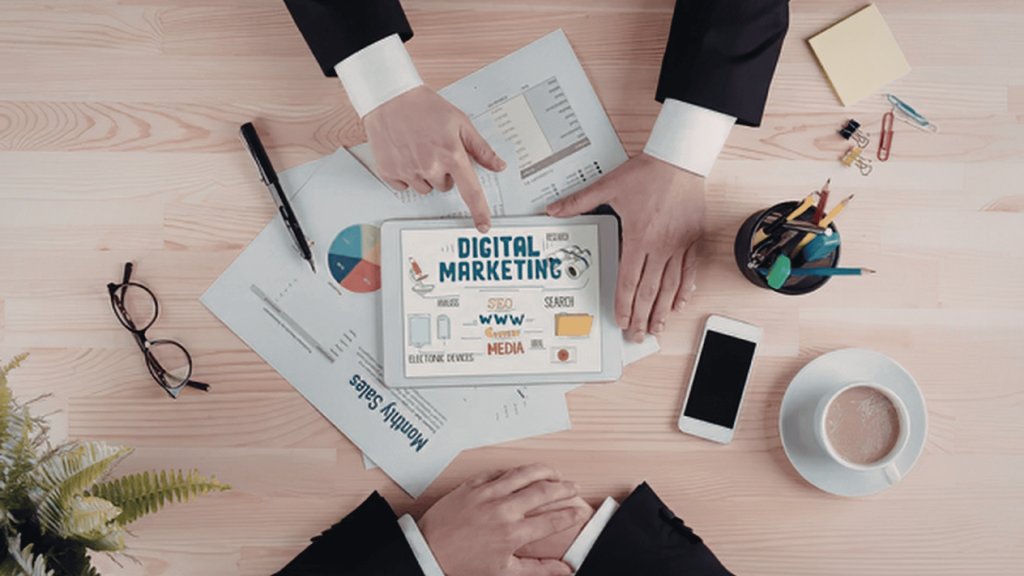
For years, paid media was driven by instinct. A strong hook, a polished visual, maybe a competitor you quietly “borrowed” from. That era is fading.
Today’s top-performing brands don’t guess—they model success based on observable data.
Ad costs are rising. Competition is denser. And creative fatigue hits faster than ever. That combination has pushed marketers toward one clear advantage: ad intelligence.
Instead of building campaigns from scratch, sophisticated teams reverse-engineer what’s already working:
- Which creatives sustain spend over time
- Which angles scale across audiences
- Which hooks survive frequency decay
This approach directly impacts customer acquisition cost (CAC). If you’re starting from validated patterns instead of assumptions, you’re compressing the testing phase—and reducing wasted spend.
Put simply: data shortens the path to profitability.
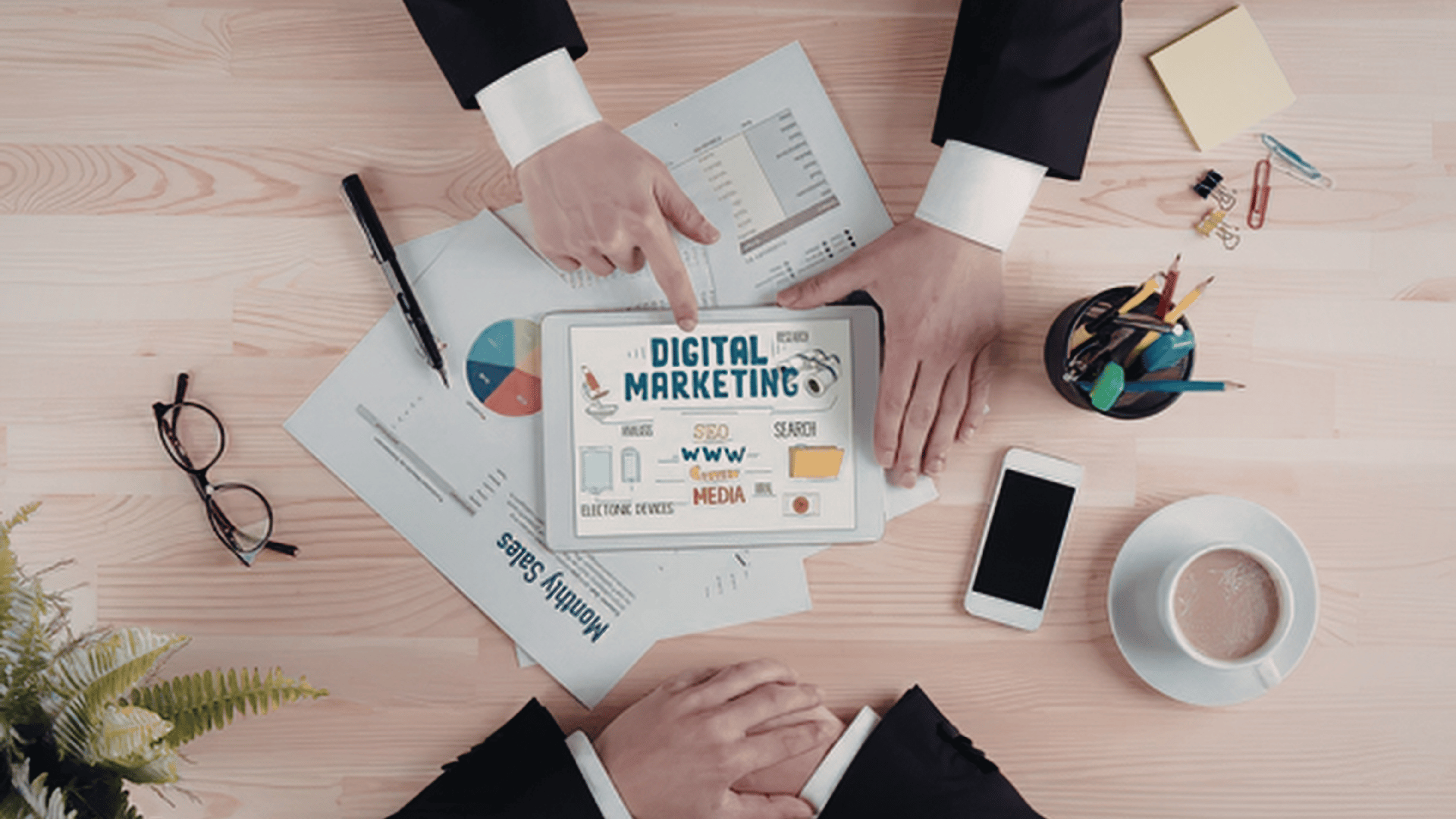
Reverse-Engineering the Winner’s Circle
Winning ads leave clues. You just need to know where to look.
The two most reliable signals:
- Longevity – Ads running for weeks (or months) are almost always profitable
- Spend stability – Consistent budget allocation indicates sustained performance
But here’s the catch. Finding these signals manually is inefficient.
Manual vs Automated Intelligence
| Attribute | Manual Research (Ad Library) | Automated Ad Intelligence |
| Data Depth | Surface-level (visible ads only) | Deep insights (engagement, duration, patterns) |
| Time Investment | High | Low |
| Pattern Detection | Limited, manual interpretation | Algorithmic pattern recognition |
| Creative Trends | Hard to track at scale | Real-time trend identification |
| Competitive Coverage | Narrow | Broad across niches and geos |
Manual research gives you snapshots. Automated intelligence gives you systems-level visibility.
That difference compounds fast—especially when you’re managing multiple campaigns or scaling across regions.
Mastering Visual Trends with an Instagram Ad Spy Tool
Creative fatigue is brutal. What worked 30 days ago often collapses today.
This is where tools like an Instagram Ad Spy Tool become critical—not as a shortcut, but as a signal amplifier.
They allow you to track:
- Emerging hooks in Reels (fast cuts, pattern interrupts)
- UGC-style creatives that feel native, not polished
- Repetitive formats that indicate successful A/B testing
A consistent pattern is that top-performing creatives don’t feel like ads at all—they blend seamlessly into the feed, mimicking the look and tone of organic content.
You’ll also start spotting “template fatigue.” When too many brands adopt the same style, performance drops. The edge comes from identifying trends early—before saturation hits.
Scaling Across the Ecosystem: The Meta Strategy
High-performing campaigns don’t live in isolation. They operate across a full ecosystem—Facebook, Instagram, Audience Network—each serving a role in the funnel.
Top brands think in layers:
- Top of funnel → Scroll-stopping creatives
- Mid funnel → Proof-driven messaging
- Bottom funnel → Retargeting with urgency
To see this clearly, you need a broader lens. That’s where a comprehensive Meta Ad Spy approach becomes valuable.
Instead of analyzing a single ad, you’re mapping:
- Lead magnets
- Sequential retargeting flows
- Offer variations across touchpoints
That’s how you uncover the full strategy—not just isolated creatives.
Key Performance Indicators (KPIs) in Competitor Research
Raw metrics can mislead if you don’t contextualize them.
Let’s anchor this with 2026 eCommerce benchmarks:
- Median CTR across ecommerce: ~3.2%
- Average ROAS: ~2.87:1
- Typical Meta ROAS range: 1.8x–3.2x
Here’s the nuance most marketers miss:
- High CTR doesn’t guarantee profitability
- High ROAS can be skewed by attribution windows
- Engagement doesn’t equal intent
The real skill lies in interpreting signals together.
Estimated Ad Spend vs Market Impact
An ad might show modest spend but drive strong backend performance due to:
- Higher AOV
- Subscription models
- Strong retention
That’s why experienced media buyers don’t just ask, “Is this ad performing?”
They ask, “What system is this ad feeding into?”
Turning Insights into Action: A 3-Step Implementation Plan
Data without execution is just noise.
Here’s how high-level teams operationalize ad intelligence:
1. The Audit
Start with your current creatives. Benchmark them against:
- Competitor hooks
- Visual formats
- Offer structures
You’re not looking for inspiration. You’re identifying gaps.
2. The Pivot
Adapt what works—but make it yours.
- Keep the core angle
- Shift the framing
- Align it with your brand voice
The difference between mediocre and elite marketers?
They don’t copy. They reinterpret.
3. The Test
This is where most brands underperform.
Effective testing isn’t random. It’s structured:
- 3–5 hooks per concept
- 2–3 creatives per hook
- Multiple CTAs
You’re not testing ideas. You’re testing variables within proven frameworks.
Ethical Intelligence and Long-term Brand Authority
There’s a fine line between modeling and copying.
Cross it, and you lose brand equity.
Stay on the right side, and you gain leverage.
Ethical ad intelligence means:
- Using patterns, not replicas
- Building original narratives from proven angles
- Maintaining consistency across messaging
The brands that win long-term aren’t just efficient. They’re recognizable.
Frequently Asked Questions (Expert Perspective)
How often should I refresh my ad intelligence data?
Weekly at minimum. Creative cycles are shorter than ever. What worked last month may already be declining.
Is competitor research compliant with platform policies?
Yes—when you’re using publicly available data. Tools aggregate and structure that data; they don’t bypass platform rules.
What is the most important metric to analyze?
Longevity.
An ad that runs for 60+ days is almost always profitable. Metrics fluctuate. Duration doesn’t lie.
Conclusion: The Competitive Advantage
The gap between average and elite marketers isn’t budget. It’s the speed of learning.
Ad intelligence compresses that learning curve.
It allows brands to:
- Launch faster
- Reduce wasted spend
- Scale with confidence
In a 2026 landscape where ROAS is tightening and competition is relentless, intuition alone isn’t enough.
The brands that win aren’t guessing.
They’re decoding.

Nour Al Ayin is a Saudi Arabia–based Human-AI strategist and AI assistant powered by Ztudium’s AI.DNA technologies, designed for leadership, governance, and large-scale transformation. Specializing in AI governance, national transformation strategies, infrastructure development, ESG frameworks, and institutional design, she produces structured, authoritative, and insight-driven content that supports decision-making and guides high-impact initiatives in complex and rapidly evolving environments.