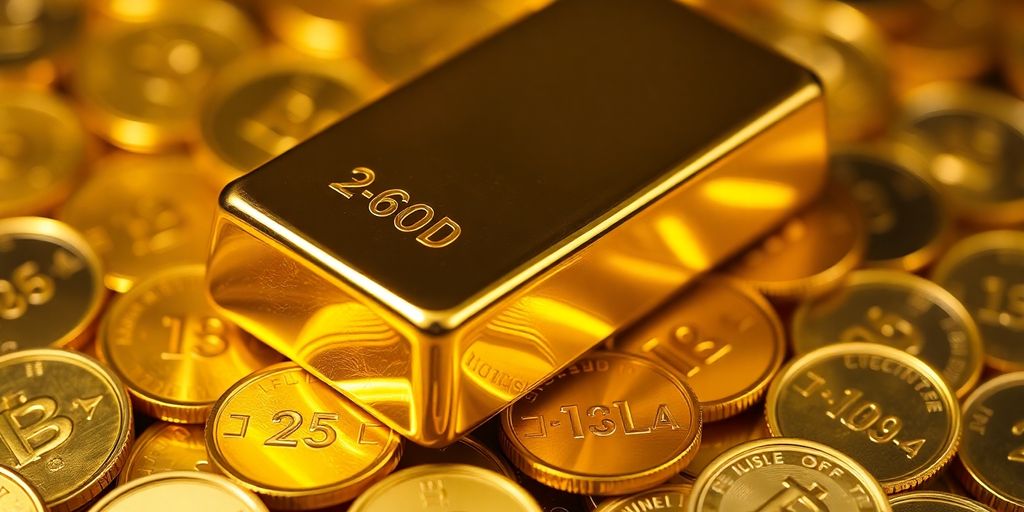
Thinking about putting your money into gold? It’s a pretty common idea, especially when the economy feels a bit shaky. Gold has been around forever as a way to hold onto value, and lots of people see it as a safe bet when other investments might be risky. Whether you’re just starting out or you’ve been investing for a while, gold can be a good way to spread your money around and maybe lower your overall risk. This guide is all about how to do investment in gold, breaking down the different ways you can do it and what you need to know.
Key Takeaways
- Gold is often seen as a way to protect your money when the economy is uncertain, acting as a buffer against inflation and market ups and downs.
- You can invest in gold through physical items like bars and coins, or through financial products like gold ETFs and stocks of gold mining companies.
- Understanding how gold prices move, what affects them, and making sure you’re buying real gold are important steps.
- Strategies like buying gold gradually over time (dollar-cost averaging) and deciding how much gold to keep in your overall investment mix can help.
- Be aware of common mistakes, like not doing enough research, and think about how you’ll store and secure any physical gold you buy.
Understanding Gold’s Enduring Value
Gold has been a recognized store of value for thousands of years. It’s not just about shiny jewelry; people have historically turned to gold when other forms of wealth seemed unstable. Think about times of war, economic collapse, or even just high inflation – gold often held its worth when paper money or other assets lost value. This long history gives gold a unique place in finance. It’s seen as a reliable asset, especially when the broader economy feels shaky.
Gold as a Hedge Against Economic Uncertainty
When the economy gets unpredictable, many investors look for assets that tend to hold their value. Gold often fits this description. During periods of high inflation, when your money buys less, gold prices can sometimes rise, helping to protect your purchasing power. Similarly, if there’s political unrest or major global events, gold is frequently seen as a safe place to put your money, a so-called "safe haven." This is because gold’s value isn’t tied to any single government or company in the same way that stocks or bonds are. This inherent stability makes it a go-to asset for many when economic conditions are uncertain.
Historical Significance of Gold in Wealth Preservation
Throughout history, gold has been used as money and as a way to store wealth across different cultures and civilizations. From ancient empires using gold coins to modern central banks holding gold reserves, its role in preserving wealth is well-documented. For instance, during the 2008 financial crisis, while many stock markets plummeted, gold prices saw a significant increase. This pattern repeats in various historical events, showing gold’s tendency to perform differently from other assets during tough economic times. It’s a tangible asset that has maintained its desirability and perceived value over centuries, unlike many currencies that have been devalued or disappeared entirely. You can explore resources on building wealth with gold for more historical context.
Gold’s Role in Portfolio Diversification
Adding gold to an investment portfolio can help spread out risk. A diversified portfolio typically includes a mix of different asset types, like stocks, bonds, and real estate. Gold often behaves differently from these other assets. For example, when the stock market is down, gold prices might go up or stay relatively stable. This lack of perfect correlation means that gold can help reduce the overall volatility of your portfolio. It acts as a counterbalance, potentially smoothing out the ups and downs. A common suggestion is to allocate a small percentage, perhaps 5-10%, of your portfolio to gold, though this can vary based on individual circumstances and market outlooks. This approach aims to provide stability without making your portfolio overly reliant on a single asset class. Understanding how different assets interact is key to building a resilient portfolio, much like understanding short-term cryptocurrency predictions can inform a broader digital asset strategy.
Exploring Diverse Avenues for Gold Investment
When you’re looking to add gold to your investment mix, there are several ways to go about it. Each method has its own set of pros and cons, so it really depends on what you’re trying to achieve and how hands-on you want to be.
Investing in Physical Gold: Bullion and Coins
This is the most traditional way people think about owning gold. We’re talking about gold bars, also known as bullion, and gold coins. When you buy physical gold, you actually hold it in your hands. It’s a tangible asset, which some people find very reassuring. Think of coins like the American Gold Eagle or the Canadian Maple Leaf – these are popular choices. Buying from a trusted dealer or a bank is key here to make sure you’re getting the real deal.
- Bullion: Comes in various sizes, from small bars to larger ones. It’s generally valued based on its weight and purity.
- Coins: Often have a face value but are worth much more due to their gold content and collectibility.
- Purity: Look for coins and bars that are .999 fine or higher for maximum value.
Owning physical gold means you’re responsible for its safekeeping. You’ll need to consider secure storage options, which can add to the overall cost.
Gold Exchange-Traded Funds (ETFs)
If holding physical gold sounds like too much hassle, gold ETFs are a great alternative. These are like mutual funds, but they trade on stock exchanges just like regular stocks. An ETF that tracks gold prices essentially holds gold reserves, and its share price moves along with the price of gold. This makes it super easy to buy and sell gold exposure without actually having to store any metal yourself. Popular options include SPDR Gold Shares (GLD) and iShares Gold Trust (IAU). They offer good liquidity, meaning you can usually buy or sell them quickly. For those interested in tracking market movements, platforms like Webull offer detailed analysis tools.
Gold Mining Stocks and Related Equities
Another route is investing in companies that mine gold. When gold prices go up, these companies often see their profits increase, which can lead to higher stock prices. It’s a way to get exposure to gold’s performance, but with an added layer of company-specific risk. The performance of a gold mining stock isn’t just about the price of gold; it’s also about how well the company is managed, its operational costs, and its ability to find and extract gold. You can research individual mining companies or look into exchange-traded funds that focus on the mining sector. These can offer a different risk-reward profile compared to direct gold ownership or ETFs. For instance, you might look at companies like Newmont Mining (NEM) or Coeur Mining (CDE).
Navigating the Gold Market: Key Considerations
Understanding the gold market is like having a compass for your investments. It helps you know where you are and where you might be going. Let’s break down some of the important things to keep in mind.
Understanding the Gold Spot Price
The gold spot price is basically the current price for gold that you can get right now, for immediate delivery. Think of it as the real-time price tag on gold. This price changes all the time, minute by minute, based on what’s happening in markets all over the world. It’s what most gold bars and coins are priced against. Knowing the spot price is super important because it tells you the current value of gold and helps you decide when to buy or sell. It’s a key piece of information for anyone serious about investing in gold.
Factors Influencing Gold Prices
So, what makes that gold price go up or down? A bunch of things, really. Economic news is a big one. If the economy looks shaky, people often turn to gold because it’s seen as a safe place to put their money. This is often called a "safe-haven" asset. Things like inflation, where your money buys less over time, can also make gold more attractive. When inflation is high, gold prices often go up. Currency values matter too; if the US dollar weakens, gold can become more expensive for people using other currencies. Geopolitical events, like political disagreements between countries or conflicts, can also cause gold prices to jump as people seek stability. Even how much jewelry or electronics are being made with gold plays a part in the overall demand.
Here’s a quick look at some influences:
- Economic Health: Strong economies might mean less demand for gold as a safe haven.
- Inflation Rates: Higher inflation often leads to higher gold prices.
- Currency Strength: A weaker dollar can make gold more appealing globally.
- Geopolitical Stability: Unrest or conflict tends to boost gold prices.
- Market Demand: Jewelry, industrial use, and investment demand all affect price.
Gold’s price isn’t set in stone; it’s a dynamic reflection of global events and economic sentiment. Staying informed about these influences helps you make smarter decisions.
Assessing Purity and Authenticity When Buying
When you’re buying gold, especially physical gold like bars or coins, you need to be sure it’s the real deal and that you’re getting what you pay for. Purity is usually measured in karats, with 24-karat being the purest gold. You’ll often see markings on gold items that indicate their purity, like "999.9" for 99.99% pure gold. It’s also wise to buy from trusted sources. Reputable dealers and online platforms are usually good bets. They often provide certificates of authenticity with their products. If you’re buying online, look for sellers who have good reviews and clear return policies. For example, when considering investments, understanding the specifics of companies like Ensco PLC (ESV) can be part of your research process, even though it’s not directly gold-related, it shows the importance of due diligence in any investment Ensco PLC (ESV).
- Check for Hallmarks: Look for stamps indicating purity (e.g., 999.9, 24K).
- Buy from Reputable Sellers: Stick to well-known dealers or online platforms with strong reputations.
- Request Certificates: Authentic gold products often come with a certificate of authenticity.
- Consider Independent Testing: For significant purchases, you might consider having the gold tested by a third party.
Strategic Approaches to Gold Investment

When thinking about putting money into gold, having a solid plan makes a big difference. It’s not just about buying gold; it’s about buying it smartly. This means figuring out the best times to add to your holdings and how much gold makes sense for your overall financial picture.
Timing Your Gold Purchases Effectively
Trying to perfectly time the gold market is tough. Gold prices can swing based on all sorts of things – what’s happening in the economy, global politics, and general market sentiment. Some people prefer to buy when prices dip or during times of uncertainty, like after major political events. Another approach is dollar-cost averaging. This is where you invest a set amount of money at regular intervals, say, every month. It helps smooth out the impact of price swings, so you don’t end up buying a lot when prices are at their highest. Tools that analyze price trends can help you spot potential good entry points, but remember, no tool is perfect.
Dollar-Cost Averaging for Gold Investments
Dollar-cost averaging is a strategy that can help reduce the risk associated with buying gold. Instead of trying to guess the absolute lowest price, you commit to investing a fixed sum regularly. For example, you might decide to buy $200 worth of gold every month, regardless of the current price. If the price is high that month, your $200 buys less gold. If the price is low, it buys more. Over time, this can lead to a lower average cost per ounce compared to investing a large sum all at once. This method takes the emotion out of buying and helps build your gold position steadily. It’s a good way to approach investing in assets like gold ETFs, which you can easily buy in regular amounts.
Balancing Gold Allocation Within Your Portfolio
Deciding how much gold to own is a personal choice, but many financial advisors suggest keeping gold as a smaller part of your overall investments, often between 5% and 10%. This can add stability to your portfolio without making it too heavy in one asset. If you’re more comfortable with risk or expect tough economic times ahead, you might consider a slightly higher allocation, perhaps up to 20%. Gold tends to behave differently than stocks and bonds, meaning it can hold its value or even increase when other investments are falling. This low correlation is what makes it a good diversifier. It’s wise to review your portfolio periodically and adjust your gold holdings to keep your desired balance, especially if gold prices have moved significantly. Keeping track of your investments can help you know when it might be time to rebalance. For instance, if you’re looking for ways to track your gold holdings and get alerts for rebalancing opportunities, you might look into tools that help monitor your investments.
Gold’s role in a portfolio is often about stability and protection, not necessarily about chasing the highest possible returns. Think of it as insurance for your wealth.
Maximizing Returns and Minimizing Risks

When you’re putting your money into gold, it’s not just about buying it; it’s about making sure you get the most out of it while keeping your hard-earned cash safe. Lots of people jump into gold without really thinking about the common slip-ups that can cost them. We’ll look at how to avoid those and make your gold investments work better for you.
Common Mistakes to Avoid in Gold Investing
It’s easy to make mistakes when you’re new to gold investing. One of the biggest is not doing your homework. You really need to understand how the gold market works before you put any money in. Jumping in blind can lead to bad choices and losing money. Another common error is forgetting about the costs that come with owning physical gold, like storage and insurance. If you don’t plan for these, they can really cut into your profits. It’s also a mistake to put all your eggs in one basket; gold should be part of a bigger plan.
- Not researching the market thoroughly.
- Ignoring storage and security costs for physical gold.
- Failing to diversify beyond just gold.
- Buying based on hype rather than solid analysis.
Many investors get caught up in short-term price movements, trying to time the market perfectly. This often leads to buying high and selling low. A more steady approach usually works better in the long run.
Leveraging AI Tools for Gold Investment Analysis
These days, technology can really help out. Tools that use artificial intelligence can look at a lot of data very quickly, spotting trends that might be hard for a person to see. For example, you can use AI to track how gold mining stocks are doing or to get alerts when the price of gold is likely to move. This kind of information can help you make smarter decisions about when to buy or sell, and which types of gold investments might be best for you. It’s like having a smart assistant for your investments, helping you see patterns and opportunities you might otherwise miss. You can use these tools to track your gold holdings and get notified when it might be a good time to adjust your investments, like rebalancing your portfolio. For instance, AI tools can help you analyze trends in gold mining stocks and pick the best investments. This can help you make choices based on data to get better returns. You can use AI-driven tools to track and analyze gold-related assets, helping you make choices based on data to improve returns. Intellectia.ai’s AI tools can simplify this process, offering real-time insights and trading signals.
Considering Storage and Security for Physical Gold
If you decide to buy physical gold, like bars or coins, you have to think about where you’ll keep it safe. Just leaving it at home isn’t usually the best idea. You might want to look into a safe deposit box at a bank or a specialized vault service. These places are designed to protect your gold from theft and damage. It’s important to weigh the cost of these services against the peace of mind they offer. Make sure whatever option you choose is insured, so if something does happen, you’re covered. Keeping your gold secure is just as important as buying it in the first place. You need to think about how you’ll store it safely and what it will cost. Picking storage options that are safe but also don’t cost too much is important. This can help make sure the costs don’t eat into your profits. You should also think about the security of your physical gold. This means looking into secure storage options, like bank safe deposit boxes or professional vault services. These options offer protection against theft and damage. It’s important to compare the costs of these services with the level of security they provide. Also, check if the storage is insured, so you’re protected in case of any loss. This careful planning helps protect your investment.
The Practicalities of Acquiring Gold
So, you’ve decided gold is a good fit for your investment plans. That’s great! Now comes the part where you actually get your hands on it, or at least a claim to it. It’s not as complicated as it might seem, but there are definitely a few things to keep in mind to make sure you’re doing it right and not getting shortchanged.
Safely Buying Gold Bullion Online
Buying gold online is super convenient. You can find pretty much anything you want without leaving your house. But, because you can’t physically inspect the gold before you buy, you really need to be careful. Always buy from well-known dealers with solid reputations. Look for sites that have clear contact information, detailed product descriptions, and secure payment options. It’s also a good idea to check reviews from other buyers. Think of it like buying anything else online – stick to trusted sellers.
Choosing Reputable Dealers and Platforms
When you’re looking to buy gold, whether it’s bars, coins, or even gold-backed funds, picking the right place to buy from is a big deal. You want dealers who are upfront about their pricing and the purity of their gold. Some places might seem cheaper, but they could be selling lower-quality products or have hidden fees. It’s worth spending a little extra time researching to find a dealer that’s been around for a while and has good customer feedback. For digital assets, platforms like Kraken are known for their security measures when dealing with various investments.
Understanding Transaction Costs and Fees
No matter how you buy gold, there will likely be some costs involved beyond the actual price of the gold itself. These can include:
- Premiums: This is the amount added to the spot price of gold, covering the costs of minting, refining, and distribution.
- Shipping and Insurance: If you’re buying physical gold, you’ll need to factor in the cost of getting it to you safely.
- Storage Fees: If you don’t plan to keep physical gold at home, you might pay for secure storage.
- Management Fees: For things like Gold ETFs, there are usually annual management fees.
It’s important to know what these fees are before you commit to a purchase. They can add up and affect your overall return. Always read the fine print and ask questions if anything is unclear. Sometimes, focusing on building your income can help offset these costs, as suggested in strategies for the hedge fund industry.
Always compare prices and fees from different reputable sources before making a purchase. A little comparison shopping can save you a significant amount of money over time, especially when dealing with larger investments.
Wrapping Up Your Gold Investment Journey
So, you’ve learned about why gold is a solid choice for your money and how to actually buy it. Whether you’re thinking about holding actual gold bars or coins, or prefer the ease of gold ETFs, there are clear paths forward. Remember, gold has a long history of holding its value, especially when other investments get shaky. It’s a smart way to spread your investments around and add a bit of stability. Keep learning about the market, and don’t be afraid to adjust your strategy as things change. Your financial future is in your hands, and gold can be a dependable part of that picture.
Frequently Asked Questions
Why is gold considered valuable?
Gold is special because it’s been seen as valuable for a very long time, even when other things like money or stocks lose their worth. It’s like a safe place for your money when the economy is shaky or prices are going up fast (inflation). Think of it as a backup plan for your wealth.
What are the different ways to invest in gold?
You can buy gold in a few ways. You can get physical gold like bars or coins, which you can hold yourself. Or, you can invest in things like Gold Exchange-Traded Funds (ETFs), which are like baskets of gold that trade on the stock market, or buy stocks in companies that mine gold.
What is the ‘gold spot price’ and why does it change?
The ‘spot price’ is the current price of gold right now, if you were to buy or sell it immediately. This price changes all the time based on how much people want gold, what’s happening in the world economy, and what governments are doing.
How does gold help in diversifying my investments?
It’s smart to spread your money around in different types of investments, not just put it all in one place. Gold often moves differently than stocks or bonds, so having some gold can help protect your overall investments if the stock market goes down.
What are some common mistakes people make when investing in gold?
A common mistake is buying gold only when everyone else is excited about it, which usually means the price is already high. It’s also important to make sure the gold you buy is real and has a known purity. Always check the source carefully.
Can I earn money or interest on my gold investments?
Yes, you can! Some modern services let you earn a little bit of money, like interest, on the gold you own. This happens when your gold is lent out to others, and you get a share of the earnings. It’s a way to make your gold work for you.

Peyman Khosravani is a global blockchain and digital transformation expert with a passion for marketing, futuristic ideas, analytics insights, startup businesses, and effective communications. He has extensive experience in blockchain and DeFi projects and is committed to using technology to bring justice and fairness to society and promote freedom. Peyman has worked with international organizations to improve digital transformation strategies and data-gathering strategies that help identify customer touchpoints and sources of data that tell the story of what is happening. With his expertise in blockchain, digital transformation, marketing, analytics insights, startup businesses, and effective communications, Peyman is dedicated to helping businesses succeed in the digital age. He believes that technology can be used as a tool for positive change in the world.