The Couch That Broke the Internet (And Why It Matters)
It started with a velvet sofa. Emerald green, tufted, absolutely gorgeous in photos. Instagram couldn’t get enough. The manufacturer’s website crashed from traffic. Six weeks later? Return rates hit 47%.
Turns out that emerald green looked different on every screen. What appeared forest-like on phones seemed neon on laptops. The “compact luxury” dimensions translated to “dollhouse furniture” in actual living rooms. And that luxurious velvet? Felt closer to track suit material. The great emerald sofa disaster of 2021 became a cautionary tale whispered at furniture trade shows.
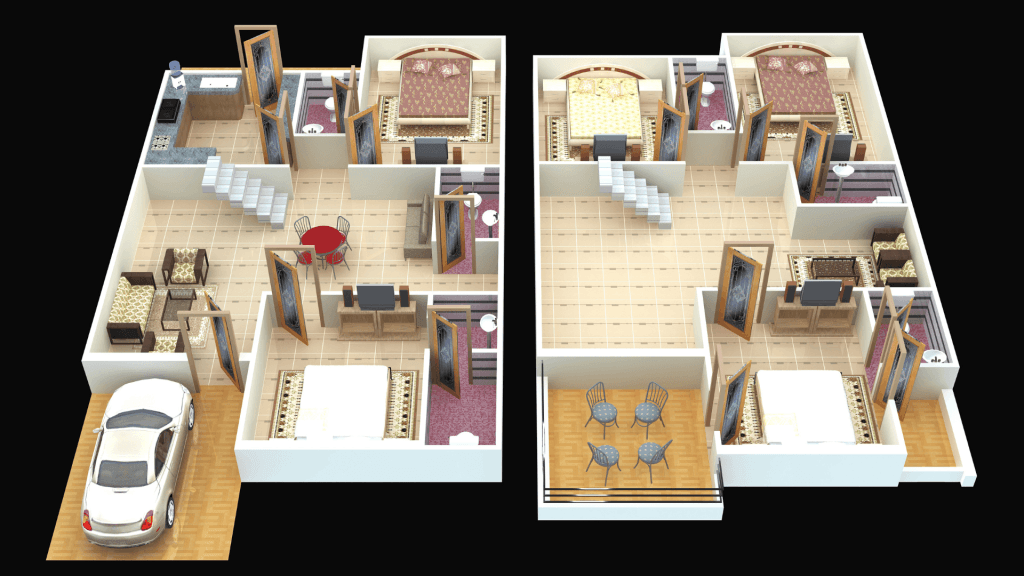
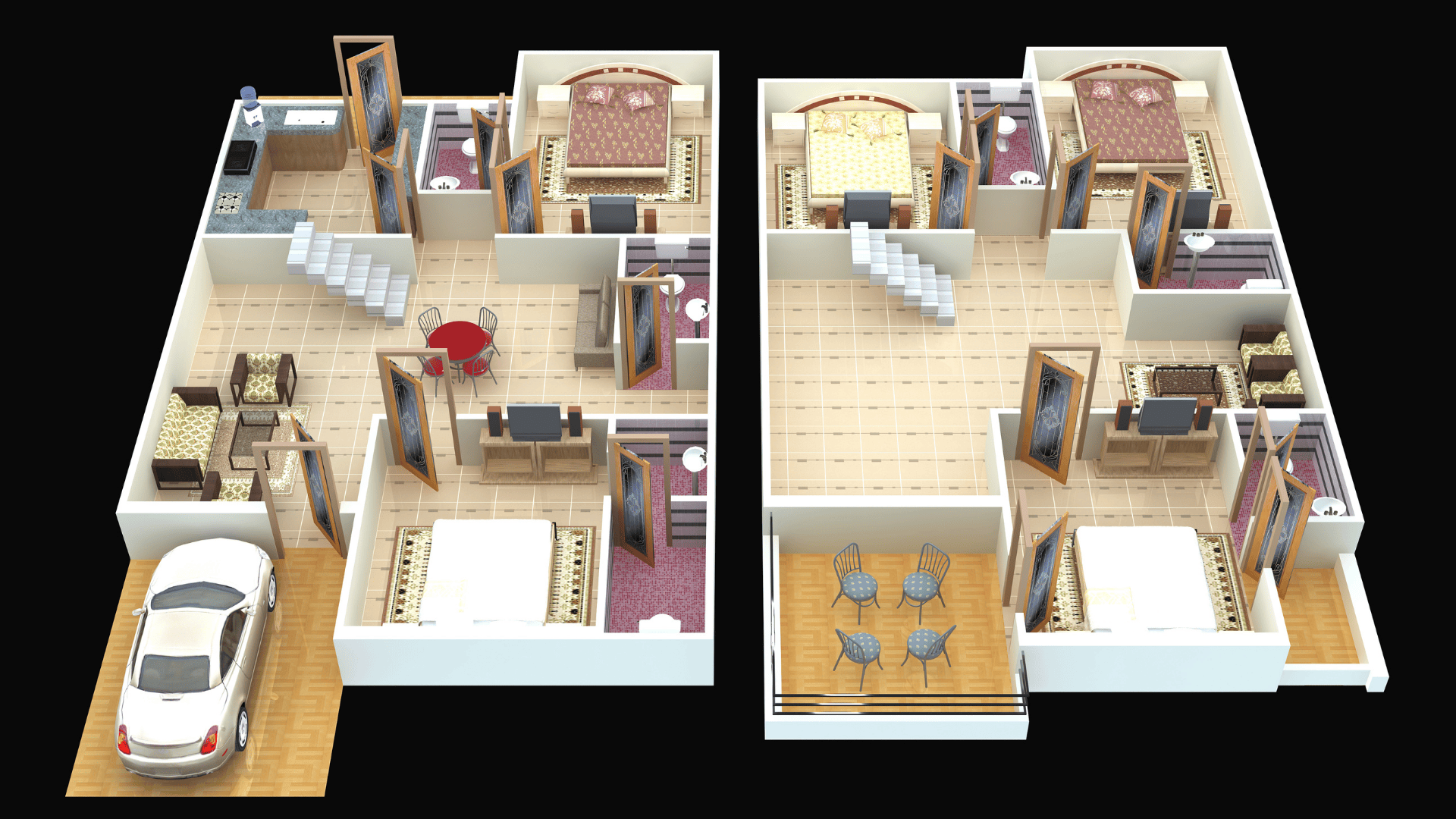
This isn’t just about one bad couch. It’s about an entire industry built on the insane premise that people will drop thousands on items they’ve never touched, sat on, or seen in real space. For decades, this was exclusive to catalog shopping’s brave souls. Then e-commerce arrived and suddenly everyone’s doing it. Except they’re not doing it well – abandoned carts in furniture e-commerce hit 75%, nearly double other industries. Professional 3d interior rendering has become the unexpected hero in this chaos, turning browsers into buyers by showing exactly how that emerald sofa would actually look in your specific living room.
The psychology is fascinating. Buying a book online? Low risk. Buying a sectional that’ll dominate your living room for the next decade? That’s commitment phobia territory. Your brain starts spinning worst-case scenarios. Too big? Too small? Clashes with everything? By checkout, you’ve talked yourself out of it.
Shopping Cart Abandonment – The Furniture Industry’s Dirty Secret
Let’s talk about the number nobody wants to discuss – 75% cart abandonment. Three out of four people who bothered adding furniture to their cart just… leave.
Compare that to clothing (68%) or electronics (70%). Not great either, but furniture’s special. It’s the perfect storm of high price, long commitment, and impossible-to-judge-online qualities. That abandoned cart isn’t indecision – it’s terror.
The reasons are almost comically predictable:
- “Will it fit?” (Spoiler: nobody really knows what 84″ means)
- “Is that the real color?” (Monitor settings laugh at your color expectations)
- “How will it look with my stuff?” (Mental gymnastics Olympic level)
- “What if I hate it?” (Return shipping costs more than a vacation)
Traditional product photos – even good ones – can’t answer these questions. You get six angles of a chair floating in white void. Helpful for seeing the chair. Useless for understanding if it’ll work in your actual home where the cat already owns the corner and the radiator juts out weirdly.
Size Blindness and Other Digital Shopping Disasters
Humans are remarkably bad at judging size from photos. It’s not stupidity – it’s biology. Our brains need reference points. That sleek coffee table? Could be jewelry box-sized or aircraft carrier-sized depending on the photo angle.
Dimensions don’t help much either. Quick – visualize 36″ x 48″. Can’t? Join the club. We think in relationships, not measurements. “Will it fit between the couch and TV?” Not “Is 48 inches enough for the 52-inch gap?” Nobody shops with a tape measure and calculator.
In the real world, you’d walk around furniture, crouch to sitting height, stretch out your arms. Online? You squint at photos and hope for the best. Is it any wonder that furniture e-commerce struggled for years?
Enter visualization tools. Suddenly that abstract 36″ x 48″ becomes a coffee table in your actual room, photographed by your phone, scaled correctly. Your brain stops doing math and starts doing what it’s good at – recognizing whether something feels right.
Research data suggests returns drop by 64% when AR preview is available. That’s not incremental improvement – that’s transformation. Fewer returns mean lower costs, happier customers, better reviews. The virtuous cycle every retailer dreams about.
The Trust Economy of Online Furniture Sales
Trust is currency in online furniture sales. You’re asking people to spend real money on virtual representations of physical objects they’ll live with for years. That’s a big ask.
Thomas Watson Jr. nailed it: “Good design is good business.” But online, good design isn’t enough. You need good design that translates digitally, that builds confidence, that overcomes the trust gap between screen and reality.
Smart retailers realized visualization tools aren’t just about showing products – they’re about building trust. When customers can place virtual furniture in their space, see it from every angle, in their lighting, next to their things, trust happens. Not blind trust – informed trust. The best kind.
When Reviews Aren’t Enough
“Looks just like the picture!” – Anonymous reviewer
Cool story, but what did their room look like? What’s their lighting situation? Do they have taste? Reviews help, but they’re someone else’s experience. Visualization makes it your experience.
The credibility problem goes deeper. Fake reviews, paid reviews, reviews from people who’ve owned the item for exactly one day. Customers know the game. They’ve been burned before. Pretty words don’t override the fear of a $2,000 mistake.
But when someone sees that sectional in their actual space through AR? Different story. That’s not trusting reviews – that’s trusting their own eyes. The psychological shift is profound. From “hope this works” to “I know this works.”
One retailer told me their customer service calls dropped 40% after implementing AR previews. Not because quality improved – because expectations aligned with reality. Customers knew what they were buying. Revolutionary concept, right?
The Return Rate Nightmare Nobody Discusses
Returns kill furniture retailers. We’re not talking about sending back a sweater. Moving a sofa requires trucks, crews, warehouses, and often, disposal of perfectly good furniture nobody wants at return price.
Industry estimates put furniture return costs at 15-30% of item value. For comparison, clothing returns cost about 10%. These aren’t sustainable margins. One bad product launch with high returns can tank a small retailer.
The environmental impact? Devastating. Returned furniture often can’t be resold as new. It becomes outlet merchandise, donation material, or landfill waste. That emerald sofa’s carbon footprint just doubled because someone couldn’t visualize scale.
Frank Chimero said, “People ignore design that ignores people.” Returns are what happens when e-commerce ignores human needs. Need to see it in your space? Ignored. Need to understand scale? Ignored. Need confidence in color accuracy? Definitely ignored.
AR, VR, and Other Letters That Changed Everything
Augmented Reality sounded like tech bro nonsense five years ago. “Point your phone and see virtual furniture!” Sure, Jan. Except it actually worked.
The adoption curve went vertical during lockdown. Suddenly, everyone was shopping for furniture online, whether they wanted to or not. AR went from “neat trick” to “essential feature” in about six months. Retailers without it watched conversion rates tank while competitors thrived.
The numbers tell the story:
- 40% higher conversion when AR is available
- 2x longer site engagement with visualization tools
- 3x more likely to purchase after using AR
- 64% fewer returns on AR-previewed items
- 11x more likely to purchase immediately versus “thinking about it”
But here’s what’s really interesting – it’s not about the technology. It’s about solving fundamental problems. Can’t visit showrooms? Bring showrooms to living rooms. Can’t judge scale? Provide accurate spatial reference. Can’t trust photos? Let them see for themselves.
VR took a different path. Instead of bringing furniture to your space, it brings you to designed spaces. Less practical for immediate purchasing, brilliant for inspiration and upselling. Show someone their room, then show what it could be with your complete collection. Suddenly they’re not buying a chair – they’re buying a transformation.
Small Retailers Fighting Back with Smart Tech
David versus Goliath, except David has AR and a scrappy attitude.
Big furniture retailers threw millions at custom visualization platforms. Small retailers couldn’t compete – until they didn’t have to. Third-party visualization services democratized the technology. Suddenly, a two-person operation could offer the same AR preview as IKEA.
The playing field didn’t just level – it tilted toward agility. Small retailers could implement new visualization features in days, not months. They could experiment, iterate, respond to customer feedback immediately. Big retailers? Still waiting for corporate approval on the font size.
Boutique furniture makers particularly benefited. Their unique pieces were hard to appreciate in standard photos. But in AR? That hand-carved detail pops. The custom upholstery options make sense. The craftsmanship translates. Suddenly, premium prices feel justified because customers can see the premium quality.
Some small retailers got creative. Virtual showroom tours with personal shoppers. AR combined with video calls for real-time consultation. Gamified room design tools that happened to feature their products. They weren’t just adopting technology – they were innovating beyond what big players imagined.
One Portland shop increased sales 300% by combining AR previews with same-day local delivery. Customers could visualize furniture at breakfast, have it delivered by dinner. Amazon couldn’t match that combination of technology and local service.
The lesson? Technology doesn’t replace business fundamentals – it amplifies them. Good products become great when customers can properly evaluate them. Personal service becomes powerful when backed by visualization tools. Small retailers didn’t need to outspend giants – they needed to outthink them.
The furniture e-commerce revolution isn’t coming – it’s here. But it’s not about flashy technology or gimmicky features. It’s about solving real problems that kept people from buying furniture online. Size uncertainty? Solved. Color accuracy? Handled. Spatial relationships? Visible.
Visualization tools didn’t just improve furniture e-commerce – they made it viable. What was once a leap of faith became an informed decision. What was once high-risk became manageable. What was once “maybe someday” became “buying today.”
The future? Even more integration. AI suggesting pieces based on your existing space. Virtual interior designers walking through your AR-furnished room. Haptic feedback for texture preview. Sounds wild? So did buying a sofa online twenty years ago.
But here’s the truth – the best visualization tool is the one that becomes invisible. When customers stop thinking about the technology and start thinking about their home, that’s success. When buying furniture online feels as natural as buying books, that’s victory. We’re not there yet, but we’re closer than that emerald sofa disaster suggested possible.