There was a time when the path to financial security felt like a closed loop. You handed your savings over to a professional, looked at a statement once a quarter, and hoped the numbers moved in the right direction. It was a hands-off experience, defined by a big gap between the person earning the money and the person managing it.
But things are changing. Honestly, they’ve already changed.
Today, a growing number of people are stepping into the driver’s seat of their own financial journeys. This shift isn’t just about technology or access to information. It’s about a fundamental change in how we view our relationship with money and our long-term goals. Have you ever wondered why we were so comfortable letting others hold the keys for so long? Maybe we were just told that’s how it’s done.
The Access Revolution
The most obvious driver of this change is how easy it is to get into the markets now. In the past, the barriers to entry were high. You needed a certain level of wealth to even get a meeting with a broker, and the fees often ate into the very gains you were trying to protect. I remember hearing stories about people having to “know someone” just to get a foot in the door.
And then everything opened up.
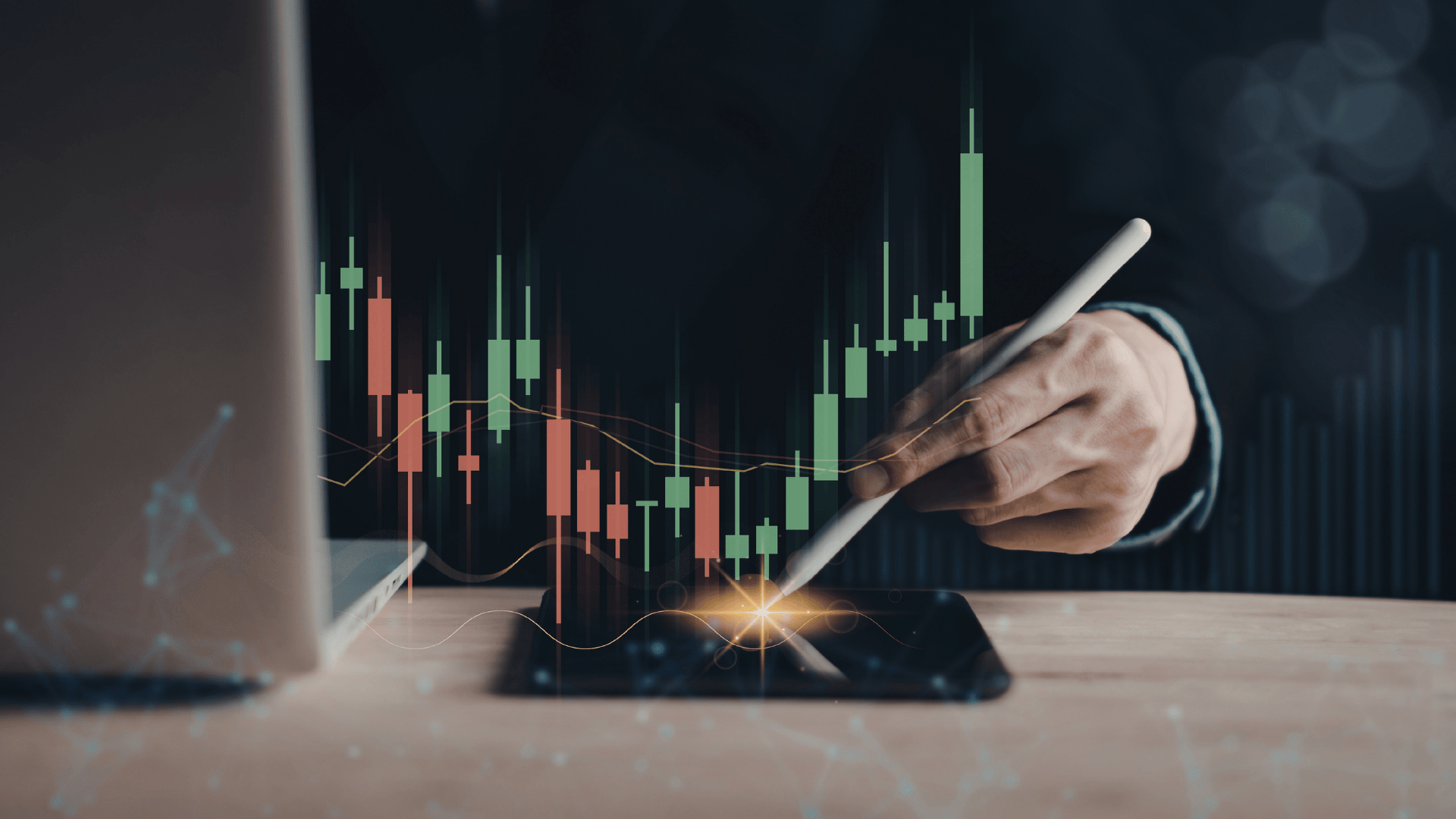
Now, the landscape is entirely different. Digital platforms have democratized the process, allowing anyone with a smartphone and a few dollars to participate in global markets. Whether it is buying a fraction of a share or using a crypto trading app to explore digital assets, the entry point is now open to everyone. This ease of access has removed the gatekeepers. It’s empowered individuals to explore different asset classes, from stocks and bonds to real estate and private equity. When the tools are right at your fingertips, the mystery starts to fade.
People are realizing they don’t need a specialized degree to understand the basics of a diversified portfolio. They just need the right resources and the willingness to learn. But is it really just about the tools, or is it about the freedom they provide? You know, that feeling of actually owning your choices.
A Quest for Transparency
For many investors, the move toward self-management is driven by a desire for transparency. Traditional financial models often felt opaque. It was hard to see exactly where your money was going, what fees you were paying, and why certain decisions were being made on your behalf. It’s frustrating to feel like you’re in the dark about your own life savings.
In an age where we can track a package across the world in real time, that lack of clarity feels outdated. It feels wrong, I guess.
Taking control means knowing exactly what you own. It means understanding the “why” behind every trade or investment. When you manage your own financial future, there aren’t hidden costs or confusing jargon to navigate. You see the direct impact of your choices, and that creates a level of accountability that’s hard to find in a traditional advisory relationship. And that’s the point. No more guessing.
Aligning Wealth with Values
Perhaps the most profound reason for this shift is the desire for alignment. We’re living in an era where people want their capital to reflect their personal values. Whether it’s environmental sustainability, social justice, or supporting local businesses, investors are looking for more than just a return on investment.
They want their money to do something meaningful.
When you’re the one making the decisions, you can choose to invest in companies that align with your worldview. You can avoid industries that don’t sit right with your conscience. This level of intentionality is hard to achieve when your funds are pooled into broad, impersonal products. By taking control, investors are turning their portfolios into a reflection of who they are and what they believe in. If our money is an extension of our labor, shouldn’t it work for things we actually care about? It just makes sense.
The Role of Financial Education
We’re also seeing a massive surge in financial literacy. The internet has turned into a giant classroom. There are podcasts, newsletters, and online communities dedicated to every niche of the financial world. I’ve spent many nights myself, staring at the hum of the laptop at midnight, trying to parse through a complex market report.
Education breeds confidence.
As people spend more time learning about market cycles, risk management, and the power of compounding, the idea of managing their own money becomes less intimidating. They start to see investing not as a gamble, but as a skill that can be developed over time. This shift from passive observer to active participant is a direct result of the knowledge available to everyone today.
Adapting to a Changing Economy
The economic landscape itself is also pushing people toward a more active role. With the decline of traditional pensions and the uncertainty surrounding social security, the responsibility for retirement has shifted squarely onto the individual.
People recognize they can’t rely on systems that might not be there for them in thirty years.
This realization has created a sense of urgency. Investors are looking for ways to maximize their growth and protect their assets in a volatile world. They’re exploring alternative investments and looking for ways to hedge against inflation. Taking control isn’t just a preference anymore. For many, it feels like a necessity for survival in a complex modern economy. How can we trust a system that feels increasingly fragile? Sometimes, you just have to do it yourself.
The Power of Personal Agency
At the end of the day, taking control of your financial future is about agency. It’s the feeling of being in charge of your own destiny. There’s a certain peace of mind that comes with knowing you have a plan and that you’re the one executing it.
It transforms money from a source of stress into a tool for freedom.
This doesn’t mean that professionals no longer have a place. Many self-directed investors still consult with experts for specific tax strategies or complex legal structures. However, the nature of that relationship has changed. It’s now a partnership rather than a total delegation of power. So, are you ready to be the one making the final call? Honestly, it’s a big step, but it’s worth it.
The shift toward personal financial control is a permanent one. As technology continues to evolve and information becomes even more prevalent, the gap between the individual and the institution will continue to shrink. We’re entering a new era of personal finance, one where the investor is no longer just a passenger, but the navigator of their own future.

Peyman Khosravani is a global blockchain and digital transformation expert with a passion for marketing, futuristic ideas, analytics insights, startup businesses, and effective communications. He has extensive experience in blockchain and DeFi projects and is committed to using technology to bring justice and fairness to society and promote freedom. Peyman has worked with international organizations to improve digital transformation strategies and data-gathering strategies that help identify customer touchpoints and sources of data that tell the story of what is happening. With his expertise in blockchain, digital transformation, marketing, analytics insights, startup businesses, and effective communications, Peyman is dedicated to helping businesses succeed in the digital age. He believes that technology can be used as a tool for positive change in the world.