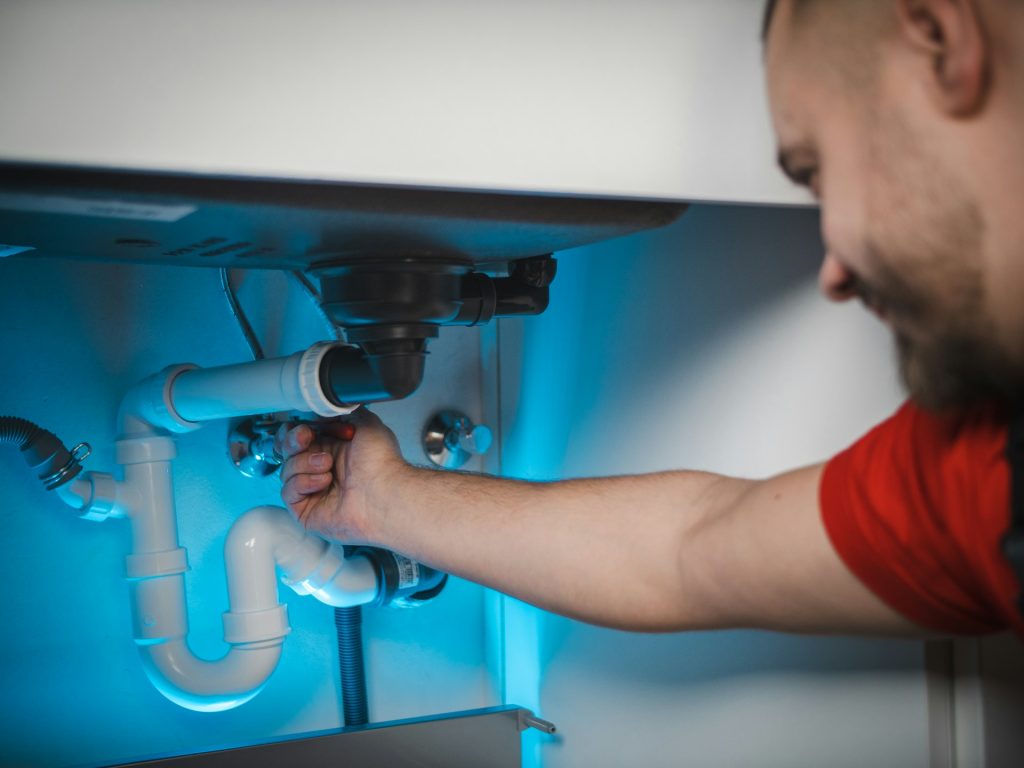
Plumbing systems are often overlooked until something goes wrong. Consistent pipe maintenance is key to preventing unexpected failures that can lead to costly repairs and extensive damage.
From small leaks to serious clogs, routine upkeep can prolong the life of your pipes and avoid major disruptions. In this article, we’ll explore why regular pipe maintenance is important and the steps you can take to keep your plumbing system functioning smoothly.
The Role of Regular Inspections
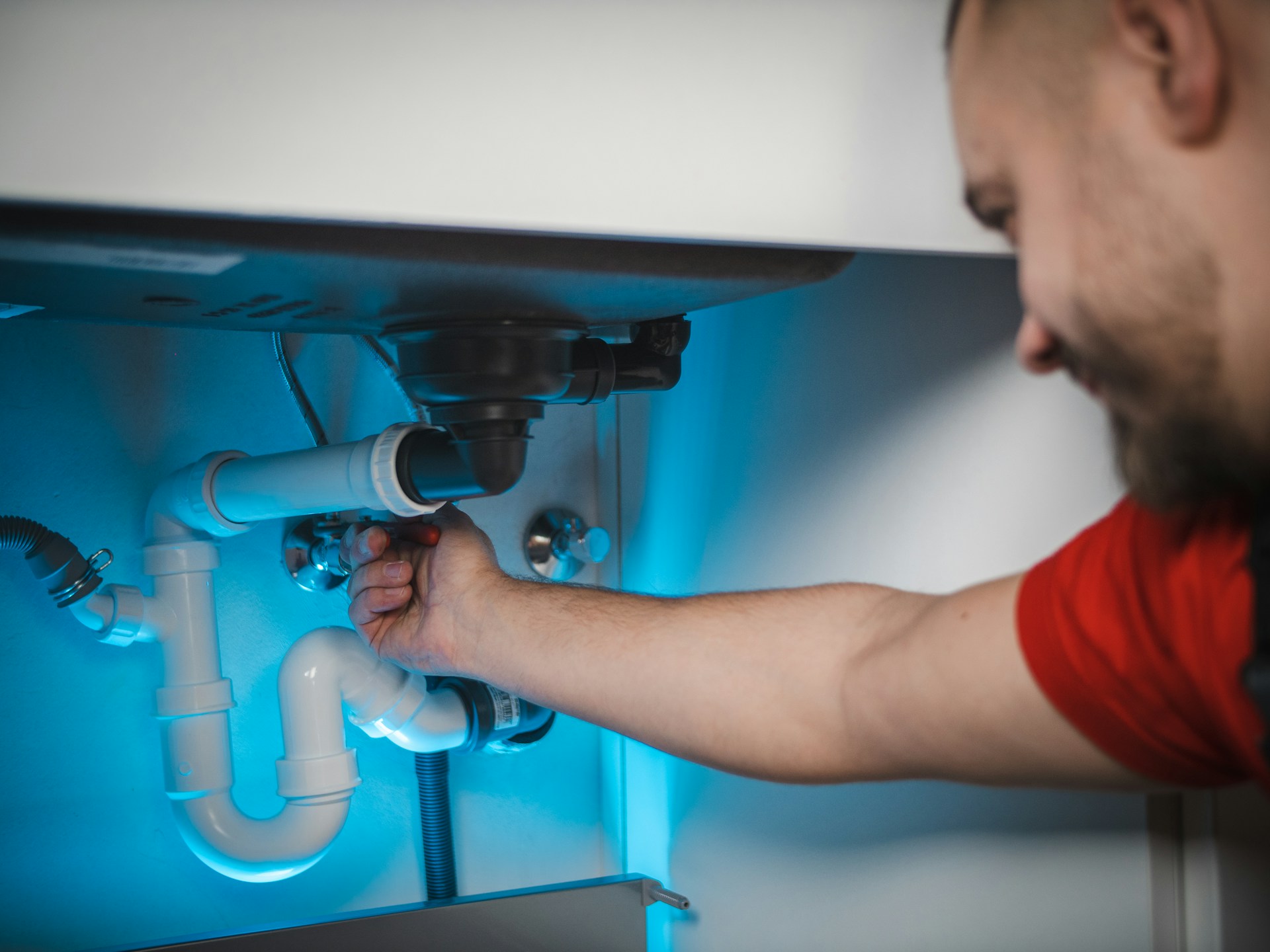
One of the main reasons consistent pipe maintenance reduces unexpected failures is through early detection. By scheduling regular inspections with a professional plumber, you can spot potential issues before they become serious problems. These inspections typically involve checking for leaks, corrosion, clogs, and wear in various parts of the system.
A plumber will inspect both visible pipes and those hidden behind walls or in crawl spaces. Regular inspections ensure that your plumbing system remains in good condition, and any issues are caught early, preventing surprise leaks, burst pipes, or slow drains. This proactive approach helps avoid costly repairs that could result from ignoring minor issues.
Identifying and Addressing Leaks
Leaks are among the most common causes of plumbing failures. They can occur anywhere in your plumbing system, from faucets and pipes to toilets and water heaters. A small leak may seem harmless, but it can quickly escalate into a more significant problem, leading to water damage, mold growth, and higher water bills.
By keeping up with regular pipe maintenance, you can identify leaks early on. Simple actions like inspecting visible pipes and monitoring water pressure can help detect leaks before they cause serious damage. If you’re dealing with older systems, following practical clay sewer pipe maintenance tips can help prevent leaks and reduce the risk of tree root intrusions, which are common issues with older pipes. Promptly repairing leaks saves money on water bills and protects your home from water damage.
Preventing Clogs and Blockages
Clogs are another plumbing problem that can disrupt your daily routine. Food scraps, grease, hair, soap scum, and other debris can build up in your pipes, causing blockages. Without regular maintenance, these blockages can worsen and lead to slow drains, backups, or complete pipe obstructions.
To prevent clogs, regular pipe cleaning and maintenance are crucial. For example, using a drain cover in the bathroom or kitchen prevents hair and food particles from entering the system. Professional plumbers can perform a thorough drain cleaning to eliminate grease buildup and prevent clogs from forming. Preventing blockages keeps your plumbing system running efficiently and helps avoid inconvenient backups or overflows.
Extending the Lifespan of Your Plumbing System
A well-maintained plumbing system lasts longer than one that is neglected. Regular maintenance reduces the wear and tear on your pipes, helping them last for decades instead of needing frequent repairs or replacements. Whether you have PVC, copper, or older pipes, such as clay sewer pipes, taking care of your plumbing system ensures its longevity and functionality.
For older homes with clay sewer pipes, the material is more prone to cracking and root intrusion. Regularly cleaning and maintaining these pipes, as well as replacing outdated sections, prevents significant damage and helps preserve the entire system. By staying on top of pipe maintenance, you can avoid costly replacements and extend the lifespan of your plumbing system.
Protecting Against Corrosion
Corrosion is a major issue for many plumbing systems, especially older ones made from materials like cast iron or copper. The buildup of minerals and water pressure can cause pipes to corrode, weakening their structure and making them more susceptible to leaks or bursts.
To prevent corrosion, regular pipe maintenance is necessary. A professional plumber can check for signs of corrosion, clean the pipes, and recommend treatments to slow down the process. In areas with hard water, installing a water softener can help reduce mineral buildup and protect your pipes. Preventing corrosion ensures that your plumbing system stays intact and avoids unexpected failures.
Keeping Water Flow Efficient
A consistent maintenance routine ensures that your plumbing system remains efficient, with water flowing at optimal pressure and temperature. Low water pressure, uneven hot water, or inconsistent flow can be signs of underlying issues such as sediment buildup in the pipes or problems with the water heater.
By scheduling regular maintenance, you can ensure that your pipes are free of buildup, and your water heater is functioning properly. Regular flushing of the water heater removes sediment and improves efficiency, while checking for leaks or blockages in the pipes ensures that water flows freely. This helps reduce energy bills and ensures your plumbing system continues to perform efficiently.
Saving Money on Emergency Repairs
Perhaps the most compelling reason to maintain your pipes regularly is the potential for significant cost savings. Emergency plumbing repairs are often expensive when dealing with major issues like burst pipes or sewer line damage. Emergencies often require additional services, such as water cleanup or restoration.
Consistent pipe maintenance reduces the likelihood of sudden, costly failures. By addressing minor issues early on, you avoid the need for expensive emergency repairs down the line.
Consistent pipe maintenance is an important part of keeping your plumbing system in top condition. By investing in regular inspections, addressing leaks early, preventing blockages, and maintaining the integrity of your pipes, you can avoid unexpected system failures that disrupt your home.

A dad of 3 kids and a keen writer covering a range of topics such as Internet marketing, SEO and more! When not writing, he’s found behind a drum kit.