
In commercial spaces, cleaning is vital for maintaining health, safety, and a positive image. Specialized cleaning protocols ensure that the environment meets regulations, fosters productivity, and enhances customer satisfaction. These practices are crucial in settings such as offices, retail stores, healthcare facilities, and educational institutions. Unlike residential cleaning, commercial cleaning necessitates an understanding of various factors, including traffic levels, industry-specific regulations, and differing material types.

Understanding the Unique Requirements of Commercial Spaces
Commercial spaces vary significantly from residential areas in terms of usage and requirements. Offices often handle high traffic, which can contribute to faster wear and tear of finishes and an accumulation of dust and allergens. Retail establishments, on the other hand, need to maintain a welcoming atmosphere for customers and for employees.
Healthcare facilities operate under stringent cleanliness standards to prevent infections. This complexity underscores the necessity of specialized cleaning methods tailored to each environment. By recognizing these unique demands, cleaning organizations can implement effective solutions that address specific challenges faced in different types of commercial spaces.
The Role of Professional Cleaning Services
Professional cleaning services provide the expertise that many businesses lack. While some smaller enterprises may rely on in-house staff for cleaning, larger organizations benefit from hiring specialized commercial cleaning staff to ensure the best results. These professionals are trained in advanced cleaning techniques and possess knowledge about the appropriate cleaning products to use on different surfaces.
This expertise ensures a thorough job without damaging materials or harming indoor air quality. These services can set a schedule based on specific business hours, minimizing disruption to normal operations. Knowledge of health regulations helps these professionals comply with standards, which is crucial for industries like food service and healthcare.
Health and Safety Considerations
Health and safety are paramount in commercial spaces, particularly during times of crisis when outbreaks of illnesses can occur. Implementing rigorous cleaning protocols aids in the prevention of the spread of bacteria and viruses. High-touch areas such as doorknobs, light switches, and shared equipment require frequent disinfection. Specialized cleaners utilize products designed to break down pathogens effectively.
Understanding the chemical properties of these products and their application techniques can significantly impact the cleanliness and safety of a commercial environment. Regular audits and adherence to best practices safeguard employees’ health and instill confidence in clients and visitors.
Adapting to Industry Standards
Each industry has its specific cleaning standards that must be met. The hospitality industry, for instance, prioritizes a clean and inviting atmosphere, whereas healthcare settings demand strict adherence to sanitation protocols to prevent healthcare-associated infections. Industries like food service follow guidelines issued by health departments regarding food-safe cleaning solutions.
Adhering to these standards prevents legal implications and reflects a commitment to quality and service. A facility prepared for inspections or certifications will have a competitive advantage and can enhance stakeholder trust through validated practices.
Implementing Sustainable Practices
Modern businesses face increasing pressure to adopt environmentally friendly practices, including cleaning. Companies are now seeking partnerships with cleaning services that utilize green cleaning products and sustainable methods. These practices reduce the carbon footprint and improve indoor air quality.
Many traditional cleaning products contain harsh chemicals that may pose health risks. By using eco-friendly alternatives, businesses can create a healthier work environment. Choosing sustainable practices can enhance a business’s reputation as a socially responsible entity, appealing to consumers who prioritize the environment.
Cost-Effectiveness of Specialized Cleaning
Investing in specialized commercial cleaning solutions proves to be cost-effective over time. Regular maintenance from trained professionals can extend the lifespan of carpets, furniture, and other materials, saving businesses money on costly replacements. Poor cleaning practices can lead to cumulative damage that escalates repair costs.
A clean environment can enhance employee morale and productivity, leading to improved output. Companies recognize that a pristine workspace attracts clients and retains talent, offering a significant return on investment when quality cleaning protocols are employed.
The Importance of Training and Certification
Ongoing training and certification for cleaning staff are vital to ensure they are knowledgeable about the latest cleaning techniques, safety standards, and industry regulations. With changing sanitization requirements, particularly in response to global health concerns, training programs must evolve to provide staff with up-to-date skills.
Professional certifications lend credibility to cleaning services, assuring clients of their expertise. This continuous professional development ensures that cleaning staff can perform their duties effectively and are well-informed about products and practices that promote health and safety within commercial spaces.
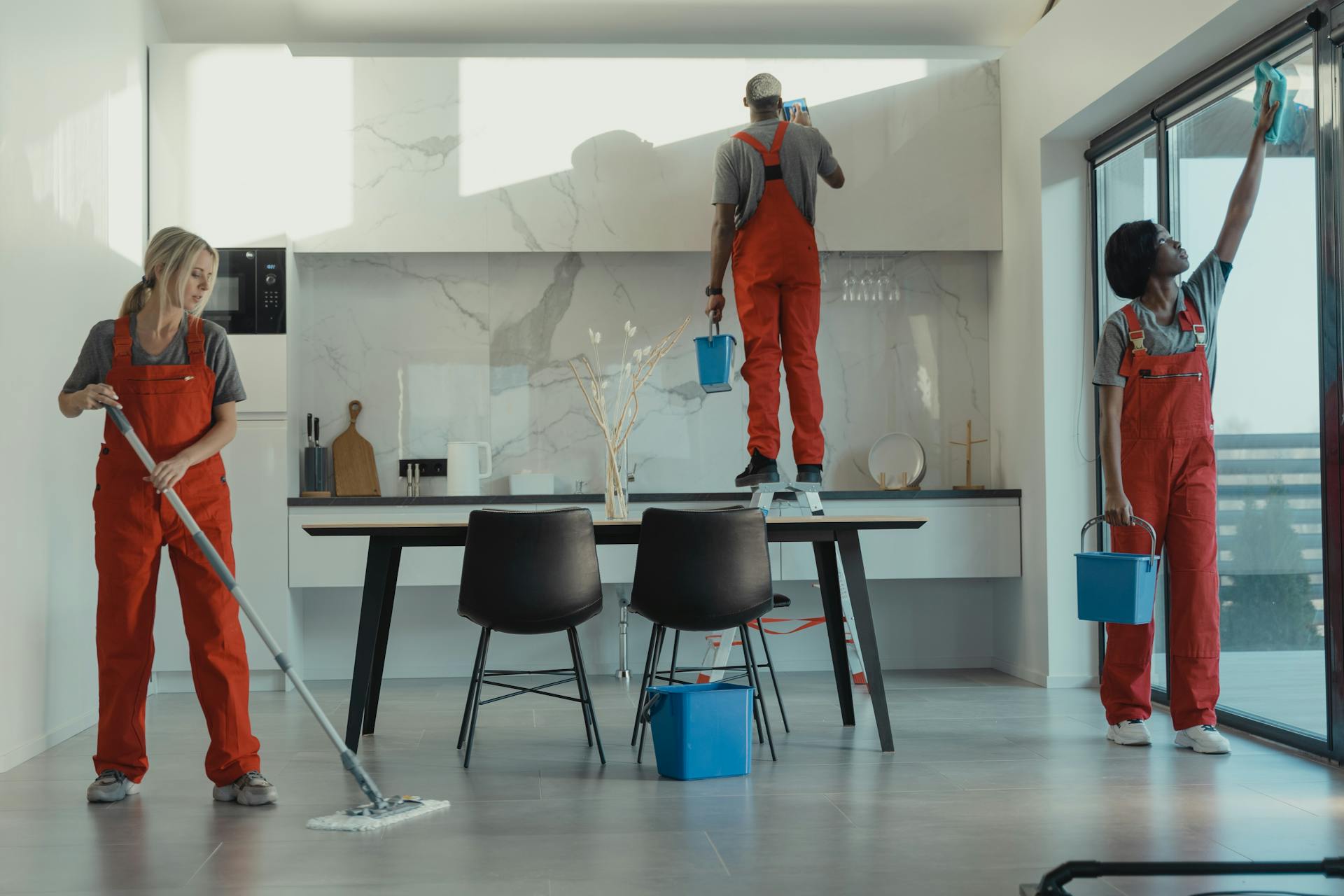
Specialized cleaning in commercial settings is important for a multitude of reasons, from health considerations to sector-specific standards. By engaging with trained professionals, companies can ensure they create and maintain safe and welcoming environments. Investing in the right cleaning protocols holds long-term benefits, both financially and in terms of image, reinforcing the significance of professional cleaning practices.