

Ever wondered what it’s really like to work in media? Between the TikTok influencers, podcast hosts, news anchors, and PR pros, the media world can seem exciting—and it is. But before diving headfirst into this fast-paced industry, students need to look beyond the glamour. A media career isn’t just about being in the spotlight. It’s about strategy, timing, ethics, and yes, sometimes a little chaos.

The Media Landscape is Constantly Shifting
Fifteen years ago, no one thought Twitter would be a news source. Today, reporters break stories in 280 characters or less, and fact-checkers race against viral misinformation. The media industry changes quickly, adapting to new platforms, algorithms, and trends. This means job descriptions evolve too. A digital content creator in 2018 didn’t need to think about Threads or Substack. In 2026, they might need to master AI-assisted content tools or short-form video storytelling.
Students entering the field must be ready to learn continuously. Flexibility is key. What you learn in college may not be what employers need in five years. Tools, platforms, and even audience habits keep shifting. And while that might sound intimidating, it also means there’s room for innovation. You’re not stuck doing the same job forever—unless you want to be.
Know What You’re Signing Up For
Not all media jobs are created equal. Some are creative. Others are research-heavy. Some require quick deadlines and live coverage. Others give you time to polish and revise. If you’re considering a journalist career path, for example, be ready for unpredictable hours, tight deadlines, and the occasional emotional toll of covering hard stories. You’ll also need strong interviewing skills, attention to detail, and a relentless curiosity.
On the other hand, working in PR or media planning means you’ll spend your time managing messaging, scheduling campaigns, or negotiating ad placements. These roles demand people skills, problem-solving, and sharp communication. Regardless of the path, you’ll need grit and a thick skin—especially when dealing with public feedback, online trolls, or a story that didn’t quite land.
Understanding the roles available can help you find the right fit. Many students dream of being on camera, but behind-the-scenes positions in editing, analytics, or strategy can be just as fulfilling—and often more stable.
The Pay Isn’t Always Picture-Perfect
Let’s talk about the elephant in the newsroom: salary. Entry-level media jobs often don’t pay well, especially in cities like New York or Los Angeles. A production assistant might work 12-hour shifts for less than what a part-time barista earns. Freelancers juggle five gigs just to hit rent. For some, this is a deal-breaker. For others, it’s a tradeoff for creative freedom or future opportunities.
It’s important to go in with open eyes. Do your research. Ask professionals what their early careers looked like. Plan for side hustles or internships that give you both experience and income. And remember, compensation tends to improve with experience, especially as you build a portfolio or shift into management roles.
Ethics Matter More Than Ever
In an age of deepfakes, misinformation, and AI-generated content, media ethics aren’t just a classroom discussion—they’re a career-defining necessity. Journalists must verify sources and provide balanced coverage. Social media managers must navigate gray areas of engagement and authenticity. Influencers are being held accountable for undisclosed sponsorships or misleading posts.
Students should be aware of the responsibility that comes with influencing public opinion. Media workers don’t just report or entertain. They shape narratives. And that power can be used well—or poorly. Knowing how to evaluate sources, protect privacy, and uphold truth can set you apart in a crowded industry that sometimes favors speed over accuracy.
The Workload Isn’t Always Glamorous
Sure, media jobs come with cool perks—like attending events, interviewing celebrities, or having your work seen by thousands. But behind that glamour is a mountain of emails, tight deadlines, last-minute changes, and technical issues. The best media professionals are the ones who show up early, double-check their work, and adapt quickly when things go sideways.
Whether you’re writing scripts, editing footage, or designing a campaign, expect long hours and team collaboration. Success in media depends on your ability to stay organized under pressure and still produce high-quality content. If that sounds overwhelming, it might help to start with student media clubs, internships, or freelance gigs that build resilience gradually.
Digital Skills Are Essential
Gone are the days when being a great writer was enough. Today, media professionals must juggle social media algorithms, video editing software, analytics dashboards, and content management systems. You don’t need to be a tech wizard, but having a working knowledge of tools like Adobe Premiere, Canva, Google Analytics, or even ChatGPT can boost your chances of landing (and keeping) a job.
Employers now want digital-savvy hires who can adapt to new platforms without weeks of training. Learning how to troubleshoot audio issues on a podcast or optimize Instagram Reels could make the difference between a promotion or being passed over. The more versatile you are, the more opportunities you’ll have.
Reputation Travels Fast
In media, your personal brand can be your biggest asset—or your downfall. Whether you’re freelancing or working full-time, how you present yourself online matters. Employers look at portfolios, LinkedIn profiles, TikToks, and even Twitter threads. Your digital footprint can either open doors or close them.
Students should treat every college project, blog post, or social campaign as a potential sample of their work. Reputation in this field travels fast, especially in small industries like local news or niche content creation. Don’t just focus on likes and shares. Aim for clarity, integrity, and originality. You never know who’s watching—or hiring.
A career in media isn’t all red carpets and viral fame. It’s fast, demanding, and sometimes chaotic—but also rewarding, creative, and constantly evolving. If you’re thinking about diving in, start with research, build real-world experience, and don’t be afraid to ask tough questions. The media world might not be easy, but it’s never boring.
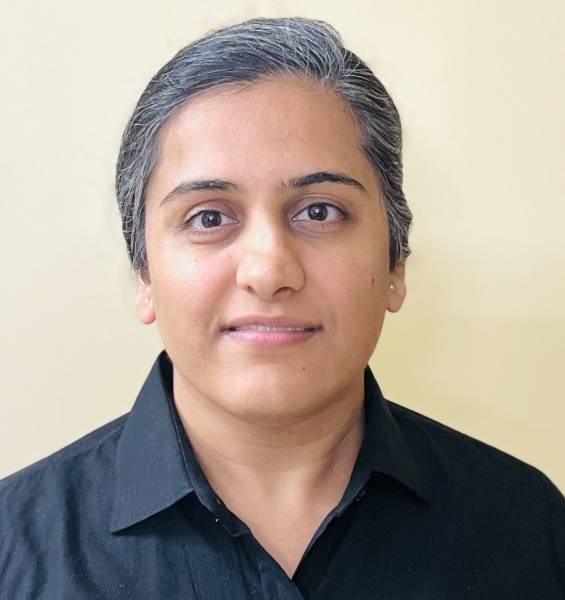
Pallavi Singal is the Vice President of Content at ztudium, where she leads innovative content strategies and oversees the development of high-impact editorial initiatives. With a strong background in digital media and a passion for storytelling, Pallavi plays a pivotal role in scaling the content operations for ztudium’s platforms, including Businessabc, Citiesabc, and IntelligentHQ, Wisdomia.ai, MStores, and many others. Her expertise spans content creation, SEO, and digital marketing, driving engagement and growth across multiple channels. Pallavi’s work is characterised by a keen insight into emerging trends in business, technologies like AI, blockchain, metaverse and others, and society, making her a trusted voice in the industry.








