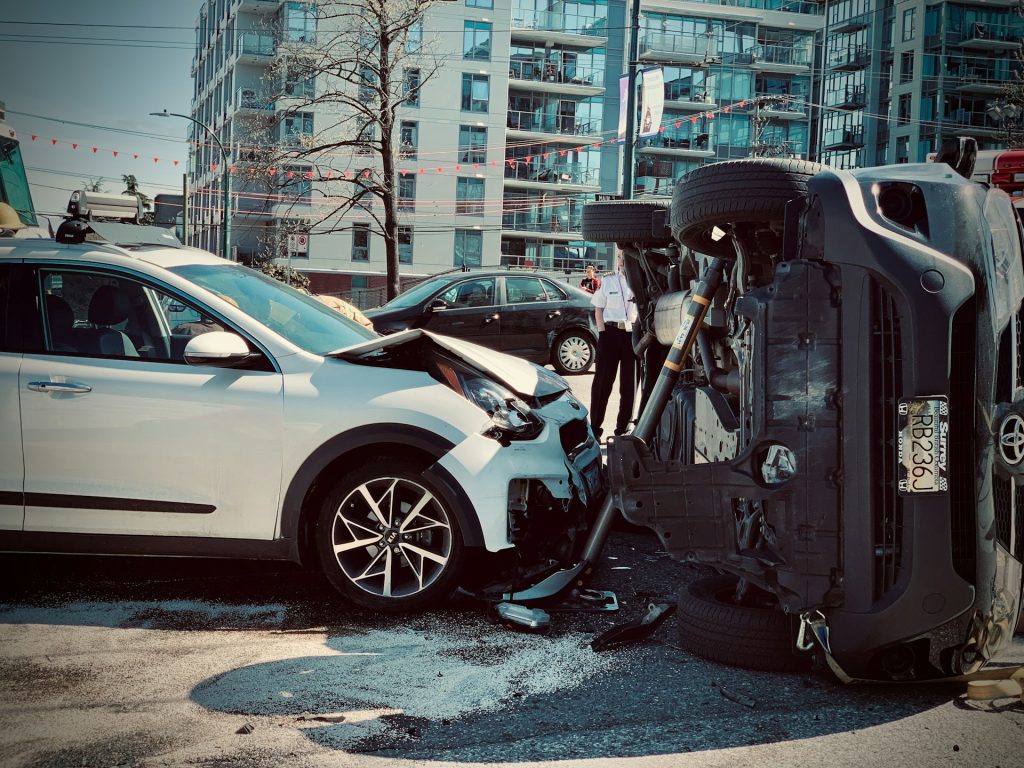
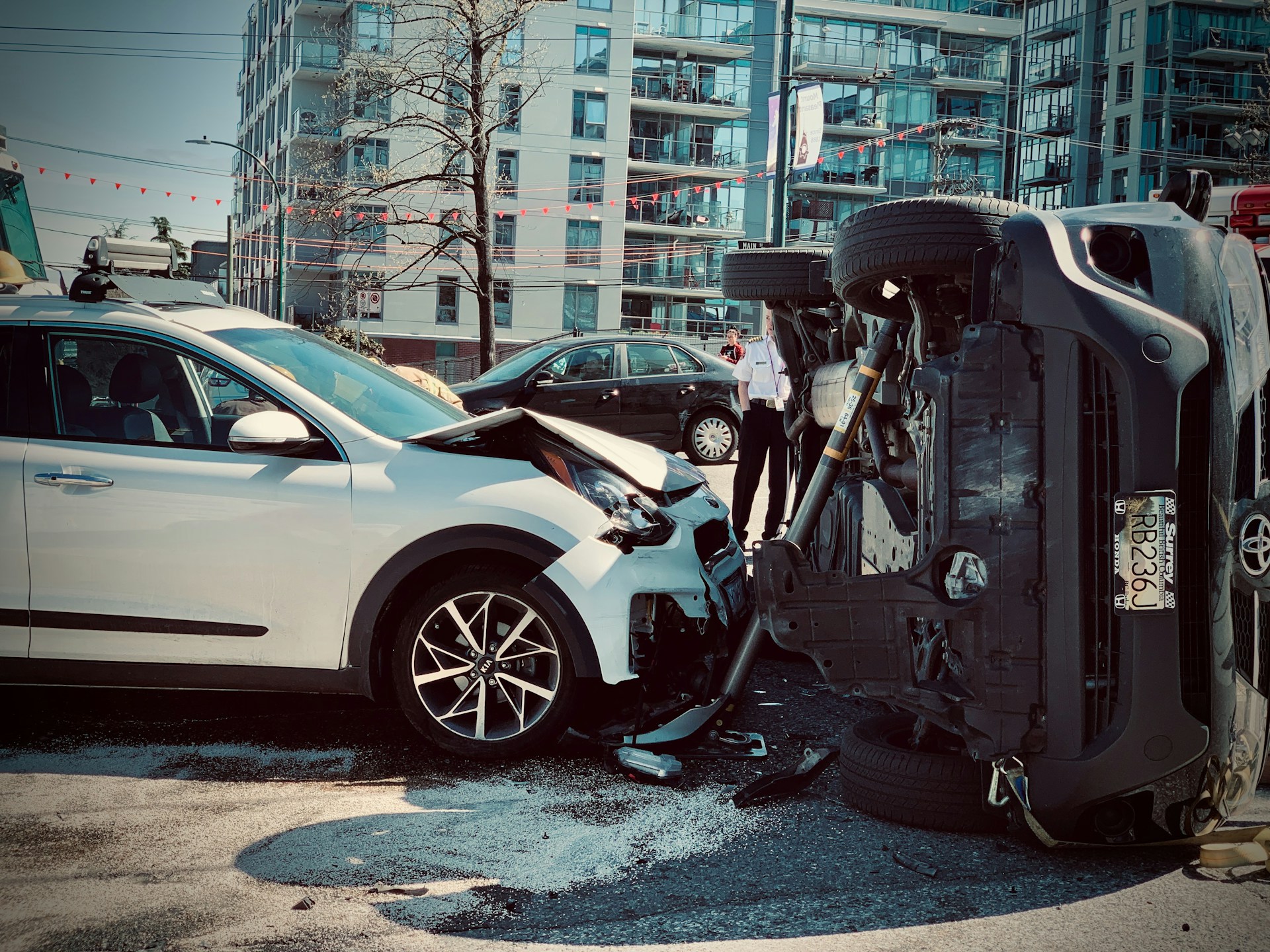
A road accident can unfold without warning and change the direction of a day, a week, or even a life. The moments that follow often feel uncertain, shaped by shock, confusion, and a rush of urgent decisions. Drivers face medical, legal, and financial questions almost at once, often without clarity on which step should come next. Actions taken in the hours and days after a crash carry lasting weight. Reports, records, and conversations form the basis of future claims and recovery paths. This guide lays out the steps every driver should take after a collision, not as rigid rules, but as a practical path through a stressful stretch of time.
Hiring Legal Guidance After a Crash
Legal guidance often enters the picture sooner than many drivers expect. Insurance adjusters, claim forms, medical liens, and repair disputes can surface quickly, and a single misstep may limit future options. A qualified advocate brings structure to a situation that often feels scattered. During one of the first conversations about rights and protection, a driver may hire a car accident lawyer to step in and manage the growing flow of paperwork, calls, and claim requirements that follow a collision. Legal support at this stage can reduce direct contact with insurers, shape how statements are given, and guide decisions tied to compensation, vehicle repair disputes, and medical billing issues. Early legal direction often brings clarity to timelines, required documents, and financial exposure, which helps drivers shift focus back to health and daily stability instead of case logistics.
Seek Medical Care and Track Health Changes
Medical care should follow as soon as conditions allow, even when injuries seem minor. Some symptoms surface hours or days after impact, particularly with soft tissue damage, head trauma, or spinal strain. A medical visit creates the first formal record of injury, linking physical harm to the crash through professional observation. This record often carries weight in both medical billing and insurance claims.
Drivers should keep a personal health log that tracks pain levels, limited movement, sleep problems, and emotional strain. A simple notebook or digital file can capture daily changes that clinical notes may not reflect. Follow up visits, imaging results, prescribed therapy, and medication use all belong in this record. Open communication with medical providers helps guide care in a way that fits each stage of recovery.
Collect and Preserve Evidence at the Scene
- Photograph vehicles from multiple angles, showing damage position, road markings, and nearby signs.
- Capture images of license plates, skid marks, debris, and weather conditions.
- Exchange full contact and insurance details with all involved drivers.
- Record the names and contact data of witnesses who saw the collision unfold.
- Request the responding officer’s name and report number.
- Keep personal items damaged in the crash, such as glasses or phones, in their post impact state.
This step often shapes the future strength of a claim. Visual records preserve facts that memory may blur over time. Witness accounts add third party support to driver statements. Police reports provide an official outline of the event drawn from on scene observations. Each piece of information strengthens the timeline of events and assists both insurers and legal teams in assessing fault and loss.
Protect Financial Stability and Transportation Needs
A crash carries costs that extend far past visible damage. Vehicle repairs, deductibles, medical bills, missed workdays, and travel expenses can strain finances. Tracking every crash related cost from the start gives clarity during reimbursement talks. Receipts for towing, medication, equipment, and alternative transport deserve a place in the claim file.
Transportation needs deserve early planning. Rental coverage may apply for a limited span, and delays in repair parts can extend wait times. Public transport, rides from friends, or temporary ride services may fill gaps when a car is out of service. Employers may require formal medical notes for leave or modified duties, which can link income protection to clinical guidance.
Focus on Recovery and Long Term Planning
Physical recovery often comes in stages rather than a straight line. Early rest may give way to therapy focused on mobility, strength, and pain control. Emotional strain frequently runs alongside physical healing. Fear of driving, sleep disruption, and elevated stress levels can linger after serious crashes. Many drivers turn to counseling or support groups to process these changes.
Long term planning centers on lasting injury limits, future care needs, and lifestyle changes tied to the crash. Some drivers face extended therapy schedules or adjusted work roles. Others may deal with chronic pain that shapes exercise, travel, or daily routines. Open talks with medical teams and legal advisors help set realistic goals tied to these realities. Each step forward, even a small one, builds confidence across months of recovery.
The aftermath of a road accident often brings a flood of decisions that reach into health, finance, and legal standing. Drivers who move through these stages with awareness gain greater control over an event that may first appear overwhelming.

A dad of 3 kids and a keen writer covering a range of topics such as Internet marketing, SEO and more! When not writing, he’s found behind a drum kit.