The utility sector is standing at a crossroads. Rising regulatory pressure, shifting customer expectations, and the accelerating pace of technological innovation are reshaping the way energy, water, and other essential services are delivered. Customers now expect accurate, transparent, and interactive billing experiences, while providers must manage costs, improve cash flow, and prepare for a digital-first future.
In this rapidly evolving landscape, one thing is clear: the future of utility services depends on smarter billing. More than just a back-office function, billing has become a critical touchpoint that affects profitability, operational efficiency, and customer loyalty. By modernising this process, utilities can unlock immediate value while building a foundation for long-term digital transformation.
The Cost of Outdated Billing in a Digital Era
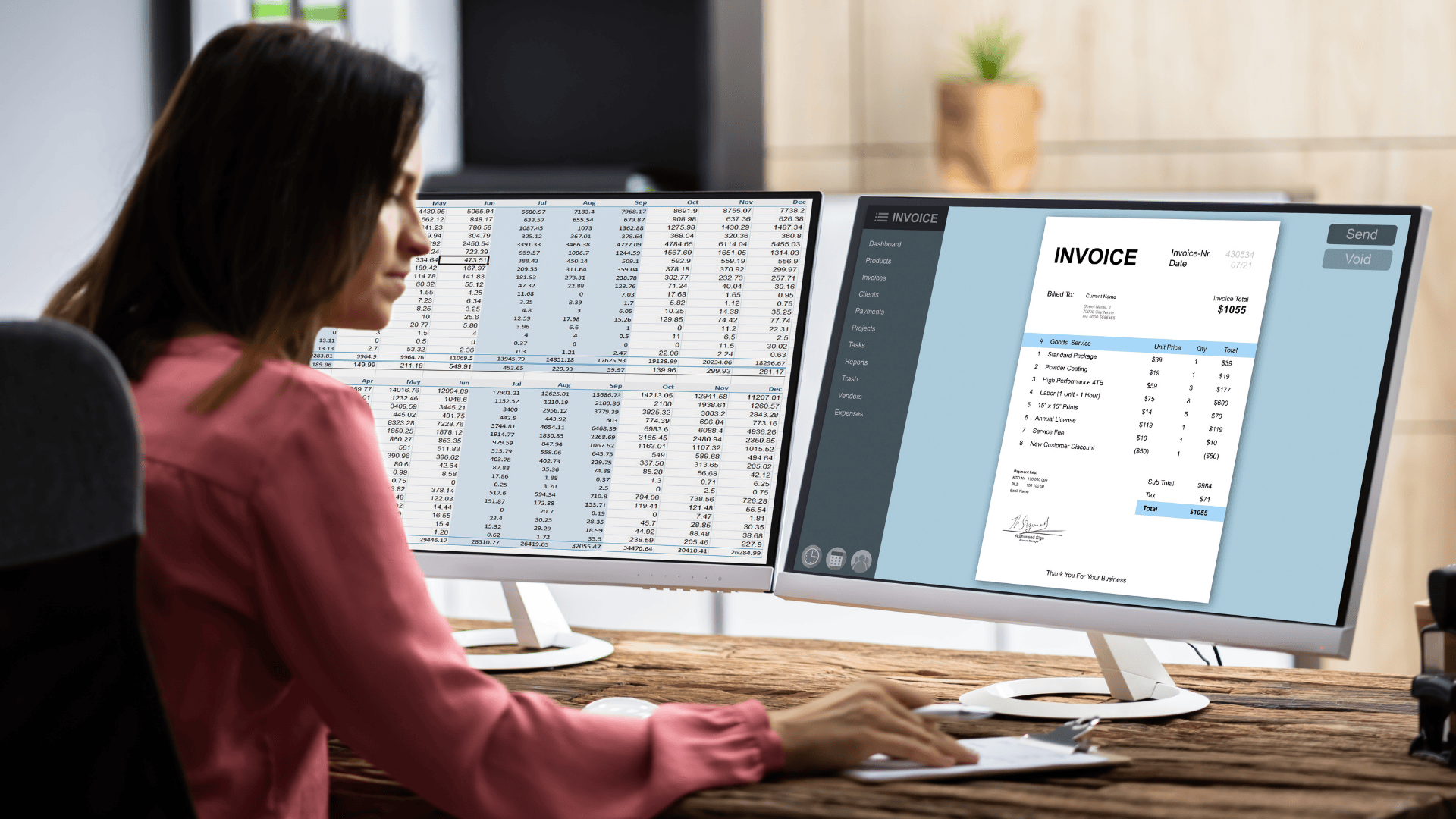
Modern solutions like small water utility billing software are helping companies replace the outdated platforms that have long been a source of inefficiency. Many utility providers still rely on legacy billing systems built decades ago. These systems were never designed to handle today’s data volumes, customer demands, or regulatory requirements.
The result is predictable yet costly. Providers face delays in issuing invoices, frequent errors in calculations, and higher support costs due to customer disputes. These issues lead directly to lost revenue and reputational damage.
Why Legacy Billing Is a Revenue Drain
Legacy billing platforms create hidden financial drains that are often overlooked:
- Revenue leakage caused by inaccuracies. Even minor miscalculations can snowball into substantial financial losses across a large customer base.
- Delayed cash flow. When billing cycles are slow or error-prone, payment collection is delayed, which disrupts the utility’s liquidity.
- Increased operational costs. Staff must spend valuable time manually reconciling bills, managing complaints, and maintaining outdated software.
Beyond direct financial impact, inefficient billing undermines customer trust. In competitive or deregulated markets, this can lead to higher churn rates and declining long-term revenue.
How Smart Billing Automation Boosts Utility Profitability
Smart billing is not simply an IT upgrade—it’s a business enabler. Automated platforms streamline invoicing, payment collection, and customer communications, eliminating the inefficiencies that drain revenue.
With an innovative billing system in place, utilities gain:
- Improved cash flow. Automated billing ensures invoices are generated and delivered on time, reducing payment delays and stabilising liquidity.
- Lower error rates. Accurate, data-driven calculations reduce disputes and lower the costs associated with customer support.
- Flexible pricing models. Modern billing solutions enable dynamic tariffs, subscription packages, and bundled services that can generate new revenue streams.
From Cost Savings to New Revenue Streams
Automation doesn’t just save money—it creates opportunities to earn more. By integrating with IoT devices and smart meters, utilities can collect granular consumption data and turn it into valuable insights. These insights can be used to offer personalised services, such as:
- Real-time usage analytics to help customers reduce consumption
- Tailored plans for renewable energy or green water initiatives
- Predictive maintenance services for commercial clients
This shift transforms billing from a static administrative process into a dynamic platform for growth. Instead of being a cost center, billing becomes a tool for unlocking upselling, cross-selling, and long-term customer engagement.
Smarter Billing as a Catalyst for Future Utility Services
Billing automation doesn’t operate in isolation—it catalyzes broader digital transformation. When billing systems are integrated with customer portals, IoT networks, and advanced analytics, utilities can achieve a level of agility that was previously impossible.
This creates several strategic advantages:
- Enhanced transparency builds trust. Clear, interactive billing empowers customers with control over their usage, reducing churn and strengthening loyalty.
- Regulatory compliance becomes simpler. Modern systems can be updated quickly to meet new legal or environmental requirements.
- Seamless scalability supports growth. As providers expand their services or enter new markets, innovative billing platforms scale effortlessly without adding operational strain.
Building a Scalable, Digital-First Utility Model
For utilities planning to diversify into renewable energy, smart home solutions, or microgrid services, smart billing serves as the foundation. It ensures that as complexity increases, revenue management remains accurate and efficient.
This scalability is essential in an era where customer needs and market dynamics are evolving rapidly. By future-proofing their billing infrastructure, utilities can innovate with confidence, knowing that their core revenue processes are secure.
Conclusion: Billing as a Driver of Transformation
The future of utility services is digital, data-driven, and customer-centric. But to reach that future, providers must first address the inefficiencies hidden in their most fundamental process—billing.
Smarter billing automation improves cash flow, reduces operational costs, and opens the door to entirely new business models. It transforms billing from a back-office obligation into a strategic platform for profitability and growth.
For utility providers seeking to remain competitive in a rapidly changing industry, investing in an advanced billing solution is more than an operational necessity—it’s a strategic move toward a sustainable, scalable, and profitable future.

Peyman Khosravani is a global blockchain and digital transformation expert with a passion for marketing, futuristic ideas, analytics insights, startup businesses, and effective communications. He has extensive experience in blockchain and DeFi projects and is committed to using technology to bring justice and fairness to society and promote freedom. Peyman has worked with international organizations to improve digital transformation strategies and data-gathering strategies that help identify customer touchpoints and sources of data that tell the story of what is happening. With his expertise in blockchain, digital transformation, marketing, analytics insights, startup businesses, and effective communications, Peyman is dedicated to helping businesses succeed in the digital age. He believes that technology can be used as a tool for positive change in the world.