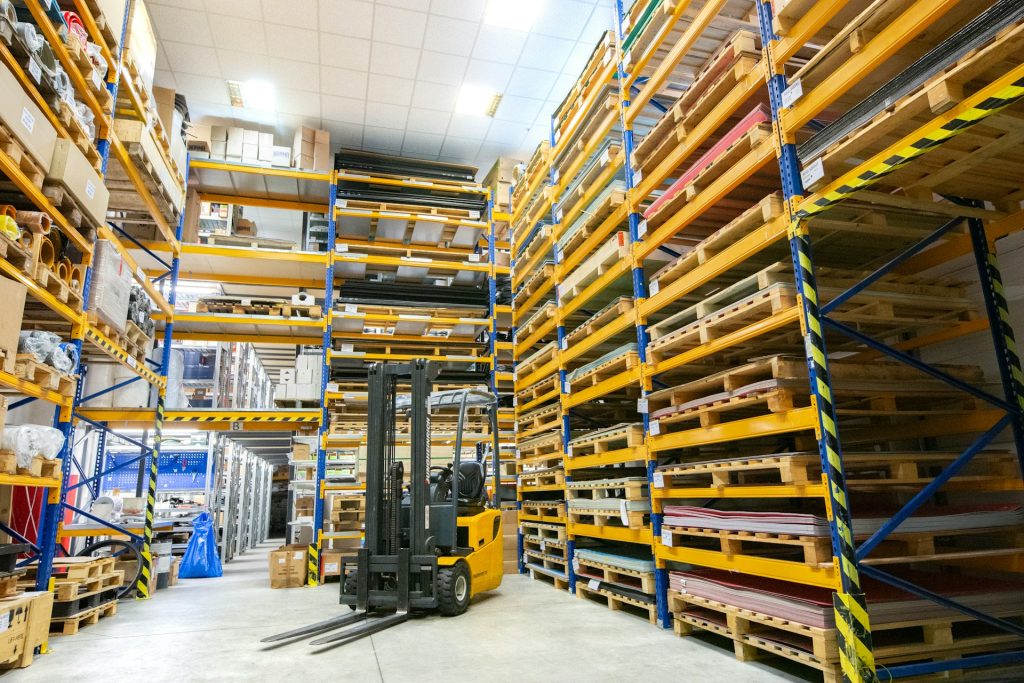
Growth is a positive sign for any business, but it brings new challenges when it comes to managing space and inventory. As operations expand, traditional storage setups often struggle to keep up with increased demand, inefficiencies, and rising costs. This is where smart warehouse storage systems enter the picture. By combining innovative design, technology, and flexibility, these systems help businesses adapt to growth without sacrificing efficiency or profitability.

Why Businesses Are Turning to Smarter Storage
One of the main drivers for adopting smart systems is scalability. Companies experiencing rapid growth often find that their existing storage solutions are disorganized, space-wasting, or limited in capacity. By implementing modern warehousing storage solutions, businesses can better utilize their available square footage and streamline operations. Smart racking systems, modular shelving, and automated retrieval technology make it possible to scale storage capacity in line with growth, reducing the need for costly expansions or relocations.
For growing businesses, these systems aren’t just about fitting more items into the same space, they’re about creating a foundation for smoother operations. Efficiency gains can include faster picking times, fewer errors in order fulfillment, and lower operational costs. With customer expectations for speed and accuracy rising, businesses that invest in smarter storage put themselves at a significant competitive advantage.
Improving Inventory Management and Accuracy
Smart storage systems integrate seamlessly with inventory management software, giving businesses real-time visibility into their stock levels. This means employees no longer have to rely on manual counts, reducing the risk of errors and discrepancies. Better tracking ensures that businesses can maintain optimal stock levels, minimizing both shortages and overstock situations.
This improved accuracy translates directly into better customer satisfaction. Orders are fulfilled faster and with fewer mistakes, which builds trust and loyalty. For businesses aiming to expand into new markets or reach larger audiences, strong inventory management supported by smart storage is an important step.
Maximizing Space Utilization
As companies grow, space quickly becomes a valuable and often expensive resource. Smart storage systems are designed to make every inch of warehouse space count. Vertical racking systems, mobile shelving, and narrow aisle solutions ensure that businesses use height and floor space efficiently.
By making better use of the warehouse footprint, companies can delay or avoid the need for costly expansions. This space optimization improves safety, as items are stored in organized systems rather than piled haphazardly, reducing the risk of accidents.
Reducing Labor Costs and Increasing Productivity
Manual storage and retrieval processes often require large amounts of labor, which becomes costly as operations expand. Smart systems that integrate automation, such as conveyor belts or robotic picking technology, reduce the reliance on manual labor. Employees can then focus on higher-value tasks such as quality control, customer service, or logistics planning.
Even businesses that don’t adopt full automation benefit from organized smart storage systems, which make it easier for staff to locate, retrieve, and store items quickly. The result is a leaner operation that gets more done with less effort.
Supporting Sustainability and Efficiency Goals
Smart storage systems contribute significantly to sustainability by reducing energy consumption and minimizing waste in day-to-day operations. Traditional warehouse layouts often lead to inefficient movement, with forklifts and staff traveling long distances to retrieve or store items. This unnecessary travel wastes time and increases fuel and electricity usage. Efficient layouts designed with automation and streamlined pathways shorten travel distances, lowering carbon emissions and utility costs.
Climate-controlled storage adds another layer of efficiency. Sensitive goods such as pharmaceuticals, electronics, and perishable foods benefit from stable environments, which extend shelf life and prevent spoilage. Better organization means products are rotated properly, ensuring older stock is used first and reducing the likelihood of goods being discarded. The result is less waste, which saves money and reduces the environmental burden of disposing of unused products.
Preparing for Future Growth and Flexibility
Perhaps the biggest advantage of smart warehouse storage is the flexibility it provides for future growth. Businesses rarely remain static, product lines expand, customer demands shift, and supply chains evolve. Smart systems are built to adapt, with modular designs and integrated technologies that can scale or shift with changing needs.
Instead of outgrowing their storage infrastructure, businesses can reconfigure or expand existing systems to handle new challenges. This flexibility gives them the confidence to pursue growth opportunities, knowing that their storage setup won’t hold them back.
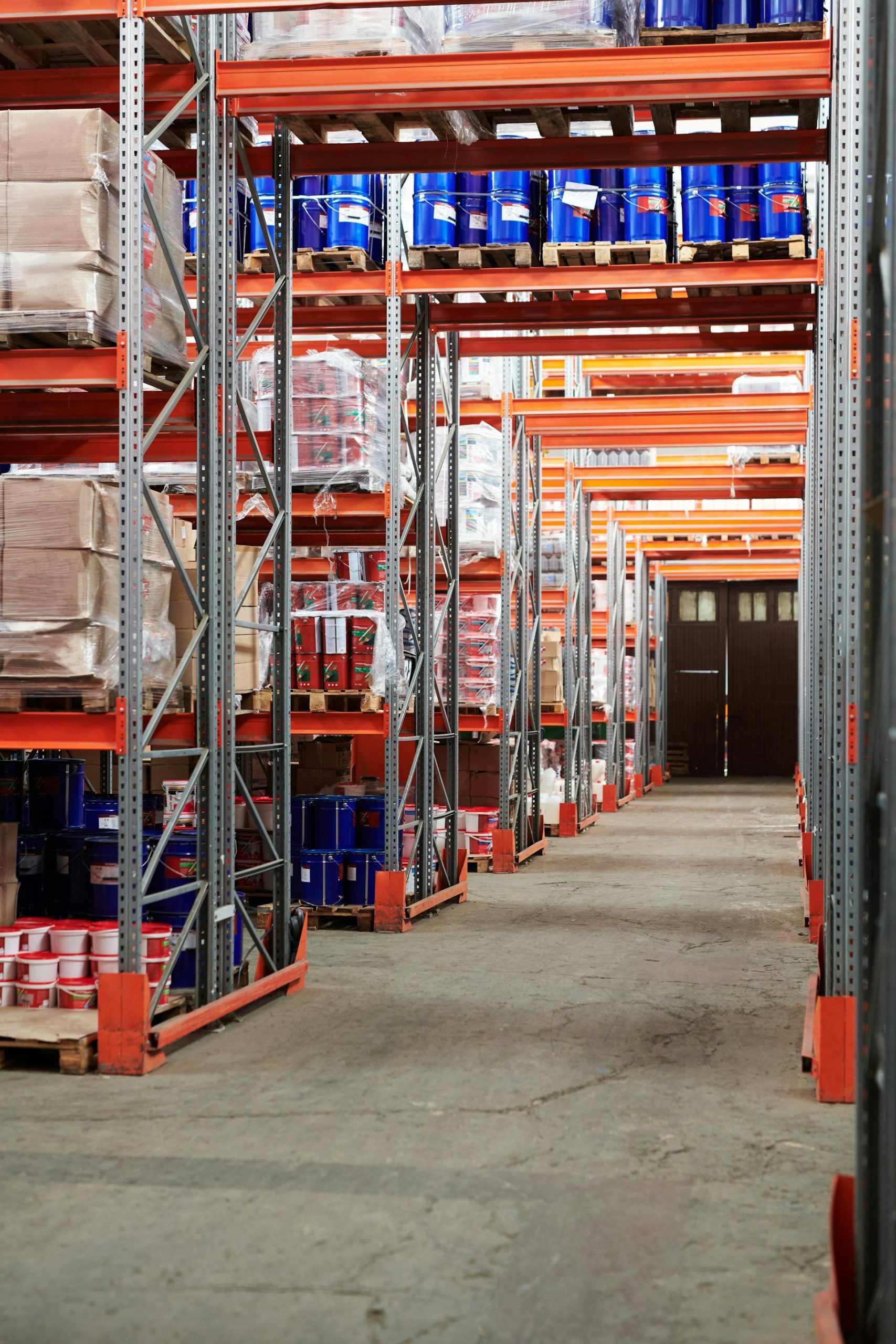
For growing businesses, efficient storage isn’t just about keeping things organized, it’s about building the backbone of scalable, profitable operations. Smart warehouse storage systems provide the tools companies need to manage inventory effectively, maximize space, reduce costs, and prepare for future opportunities. By investing in storage solutions early, businesses can stay ahead of competitors, meet customer expectations, and create a strong foundation for sustainable growth.