Organizations handle growing volumes of records that arrive in many layouts and formats. Managing such fabric through guided effort regularly leads to delays, errors and growing operational pressure. Intelligent record processing offers a smarter method by means of turning unstructured content into usable statistics with speed and accuracy. This technique combines automation reasoning and sample popularity to assist teams in acting on facts as opposed to waging a struggle with office work. As business models evolve, the need for reliable document understanding becomes stronger, making this capability a priority for modern operations, planning future-ready workflows, and informed decisions.
Defining the Core Concept of IDP
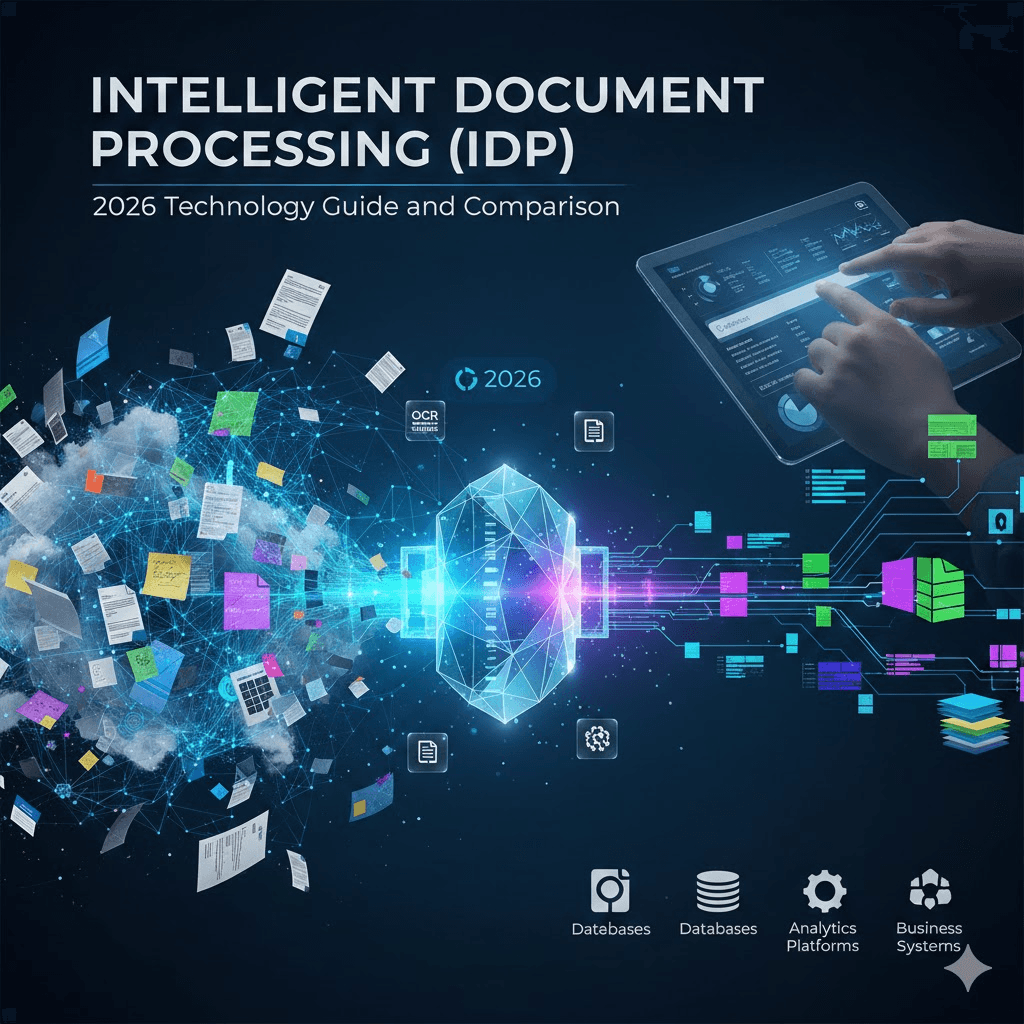
Intelligent document processing refers to the use of smart systems that read, classify and extract information from various document types. It goes beyond simple scanning by understanding context, intent, and structure within content. The process often blends optical recognition with learning based models to capture data accurately. Many organizations explore platforms that align with the best intelligent document processing solutions once they realize how much time is saved through reduced manual checks.
Essential Building Blocks and Key Components
Intelligent report processing is based on several construction blocks that work collectively to deliver meaningful results. Each element performs a role in changing uncooked documents into dependent insights that structures can use.
- Optical Character Recognition (OCR): Optical recognition captures characters from scanned page images and varied file layouts.
- Document Classification Logic: Classification logic sorts records by purpose, content type and priority level.
- Data Extraction Engines: Extraction engines pull relevant values such as names, dates, and amounts accurately.
- Validation and Quality Rules: Validation rules review outputs against logic checks to improve overall reliability.
Understanding the Standard Workflow Stages
A typical intelligent document processing workflow follows a clear sequence from intake to output. Files enter the system through uploads, emails or shared folders and then move through analysis steps. Models identify document types and extract required fields before routing information to target systems. Human review may support complex cases, ensuring precision remains high.
Practical Applications and High-Value Use Cases
Adoption of shrewd record processing spans multiple operational areas in which data dealing with is important. The approach supports routine tasks while freeing skilled staff for higher-value work.
- Automated Record Handling: Automated record handling improves processing speed across high-volume administrative tasks.
- Financial Invoice Capture: Invoice data capture supports faster approvals and improved financial visibility.
- Legal Contract Review: Contract review assistance enables structured insight extraction from lengthy legal files.
- Digital Form Onboarding: Form digitization simplifies onboarding verification and compliance activities efficiently.
Measurable Business Advantages and Benefits Overview
The value of intelligent document processing appears across efficiency, quality and scalability measures. Organizations benefit faster turnaround times at the same time as lowering highly-priced mistakes. Data will become searchable and usable throughout structures, improving transparency and decision-making. Teams revel in less repetitive paintings, which helps morale and focus. As volumes grow, the gadget scales without matching will increase in staffing, making it a practical long-term investment for manner development techniques.
Detailed Technology Comparison and Methodology
Several strategies exist for dealing with documents, yet their effectiveness varies widely. Intelligent report processing differs from conventional equipment by including mastering talents and contextual attention.
- Rule-Based Automation: Rule-based automation follows fixed instructions, lacking adaptability to layout changes.
- Basic Image Scanning: Basic scanning converts paper into images without understanding the content’s meaning.
- Template-Driven Tools: Template-driven tools work only when document formats remain unchanged.
- Learning-Driven Systems: Learning driven structures adapt continuously, improving accuracy with new document versions.
Future Insights and Adoption Trends for 2026
By 2026, intelligent document processing is expected to mature further with broader adoption across every sector. Systems will show stronger reasoning abilities and improved handling of complex layouts. Integration with business platforms will become easier, allowing seamless data flow. Security controls and compliance functions will even increase to meet regulatory needs. These developments function-wise file processing as a foundational capability for organizations aiming to manage information intelligently and successfully.
Implementing a Long-Term Strategic Outlook
Choosing the right approach to document automation requires clarity on goals, data complexity and growth plans. Evaluating tools based on adaptability, accuracy and integration support helps ensure long term value. Teams that invest in learning driven systems often gain measurable gains in speed and insight quality. When aligned with clear workflows, the best intelligent document processing solutions can transform document-heavy operations into streamlined information-driven processes.

Peyman Khosravani is a global blockchain and digital transformation expert with a passion for marketing, futuristic ideas, analytics insights, startup businesses, and effective communications. He has extensive experience in blockchain and DeFi projects and is committed to using technology to bring justice and fairness to society and promote freedom. Peyman has worked with international organizations to improve digital transformation strategies and data-gathering strategies that help identify customer touchpoints and sources of data that tell the story of what is happening. With his expertise in blockchain, digital transformation, marketing, analytics insights, startup businesses, and effective communications, Peyman is dedicated to helping businesses succeed in the digital age. He believes that technology can be used as a tool for positive change in the world.