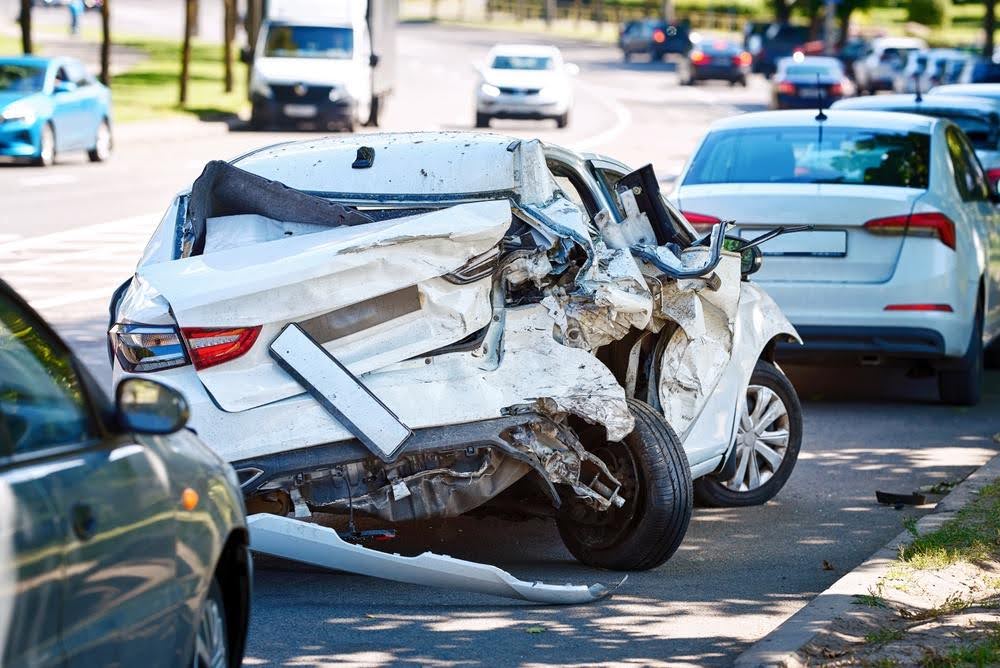
A fatal accident caused by negligence leaves behind more than loss. It triggers a legal system that moves quietly but firmly, guided by rules that decide responsibility, money, and accountability. The law does not pause for emotions, yet it exists to respond to harm that should never have happened. Behind every legal step is a structure meant to answer one simple issue: who is legally responsible and what follows next.
Legal action after a fatal accident usually begins before families fully understand their rights. Conversations about liability, paperwork, and deadlines start early, often involving insurers and legal professionals, such as a wrongful death compensation lawyer who understands how negligence is examined under the law.
The process can feel unfamiliar, but it follows a defined path built to address serious loss caused by careless actions.
How the Law Defines Negligence After a Fatal Accident
Negligence means failing to act with reasonable care. In fatal accident cases, the law looks at whether a person or organization had a duty to act safely and failed to do so. That failure must be directly connected to the death for legal responsibility to exist.
Common examples include unsafe driving, ignored safety rules, medical errors, or dangerous property conditions. The law does not focus on intent. It focuses on conduct. If safer actions could have prevented the death, negligence may be established. This legal definition forms the foundation of wrongful death claims.
Who Has the Legal Authority to Take Action
Not everyone affected by a fatal accident can file a legal claim. The law limits this authority to protect the legal process. In most cases, the personal representative of the deceased person’s estate is the one allowed to act. This person may be named in a will or appointed by a court.
Family members often benefit from the claim, but they do not always control it. This distinction matters because it determines who signs documents, who communicates with insurers, and who makes decisions during the case.
How a Wrongful Death Claim Begins
Legal action starts with information. Records are collected, including accident reports, medical records, and financial documents. These materials help show how the accident occurred and how negligence played a role.
Insurance companies often begin their own review early. Statements may be requested, and settlements may be discussed, before families understand the full value of the claim.
Legal professionals review evidence carefully to decide whether liability can be proven and which parties may be held responsible. The claim formally begins once legal filings are submitted according to procedural rules.
What Compensation May Be Available
Wrongful death claims focus on measurable loss. The law recognizes that a fatal accident creates financial harm that extends beyond immediate costs. Compensation is meant to address these losses in a structured way.
A claim may include recovery for:
- Medical care was provided before death.
- Funeral and burial expenses.
- Lost income and benefits.
- Loss of services and financial support.
These categories are defined by law, not emotion. Each one requires proof, often supported by documents and expert evaluation.
Time Limits That Cannot Be Ignored
Every wrongful death claim is controlled by deadlines. These time limits exist to keep evidence reliable and disputes fair. Missing a deadline can end a claim before it begins, regardless of its strength.
The countdown often starts on the date of death, not the date of the accident. Legal filings must be completed within this period, and courts rarely make exceptions. Acting within these limits protects the right to seek accountability.
Challenges That Commonly Arise
Fatal accident cases are rarely straightforward. Responsibility may be disputed, especially if multiple parties are involved. Insurance companies may challenge fault or reduce the value of losses. Evidence may be incomplete or contested.
Emotional strain also affects decision-making. Legal systems operate on documentation and timelines, not personal readiness. These challenges make careful handling essential throughout the process.
Why Legal Guidance Matters in These Cases
Wrongful death law involves layered rules that differ from standard injury claims. Calculating loss, proving negligence, and meeting procedural requirements demand focused legal knowledge. Guidance helps ensure that claims reflect the full scope of loss recognized by law and that rights are preserved at every stage.
Legal professionals manage communication, evidence, and filings so that the process remains organized and legally sound. This structure supports accountability without unnecessary delay or confusion.
Wrap Up!
Fatal accidents caused by negligence activate a legal response designed to assign responsibility and address measurable harm. Understanding how this system works brings clarity during a time defined by uncertainty.
A wrongful death compensation lawyer helps navigate this process with precision, ensuring that legal rights are handled carefully and that accountability follows the rules set by law.

Peyman Khosravani is a global blockchain and digital transformation expert with a passion for marketing, futuristic ideas, analytics insights, startup businesses, and effective communications. He has extensive experience in blockchain and DeFi projects and is committed to using technology to bring justice and fairness to society and promote freedom. Peyman has worked with international organizations to improve digital transformation strategies and data-gathering strategies that help identify customer touchpoints and sources of data that tell the story of what is happening. With his expertise in blockchain, digital transformation, marketing, analytics insights, startup businesses, and effective communications, Peyman is dedicated to helping businesses succeed in the digital age. He believes that technology can be used as a tool for positive change in the world.