Replacing a roof is a major home improvement project, and understanding what happens during the process can help set expectations. Whether it’s due to age, weather damage, or structural deterioration, a roof replacement requires precise coordination, thorough planning, and expert execution. Homeowners often ask how long it takes and what each step involves. The answer depends on the roof’s complexity, weather conditions, material selection, and unforeseen repairs beneath the surface.
Initial Inspection and Project Assessment
Before any shingles are removed, a roofing contractor conducts a full inspection of the existing structure. This includes checking for visible wear, damaged flashing, soft spots, and signs of mold or rot. Many inspections involve drone footage or infrared imaging to detect moisture beneath the surface.
During this stage, contractors will provide estimates and discuss materials such as asphalt shingles, tiles, or metal panels. They’ll evaluate the condition of underlayment, decking, and fascia boards to determine the scope of the replacement. Homeowners are encouraged to ask questions, especially if there are concerns about leaks, ventilation, or energy efficiency.
Permits, Scheduling, and Material Delivery
Once the inspection is complete and the estimate is accepted, the contractor will secure the necessary permits. Requirements vary by region, but permits are usually needed for structural changes and significant roof work. Obtaining permits can take a few days to a week, depending on local building departments.
During this time, materials are ordered and delivered directly to the property. This includes shingles, underlayment, flashing, vents, nails, and possibly decking boards. Deliveries often occur one to two days before the installation begins. Contractors typically schedule work based on weather forecasts to avoid delays from rain or wind.
Roof Tear-Off and Surface Preparation
On the first day of work, the crew begins by tearing off the existing roofing materials. This includes shingles, felt paper, flashing, and nails. All debris is collected in a designated disposal area or dumpster. Care is taken to protect landscaping and siding during this phase, and tarps are used to prevent nails or sharp objects from falling around the home.
Once the surface is clear, the decking is inspected for rot, mold, or structural weakness. Damaged sections are replaced before continuing. This is also the time to assess and discuss other hidden issues, such as deteriorated fascia or inadequate ventilation. If repairs are needed, the timeline and cost may change slightly. Homeowners often ask about the cost to replace fascia when budgeting for their roof replacement, as it can vary depending on materials and accessibility. Addressing fascia damage during the roof replacement phase helps prevent water intrusion and structural weakening along the roofline.
Underlayment, Flashing, and Waterproofing
After preparing the surface, the crew installs the waterproof underlayment across the entire roof. This layer acts as a barrier between the shingles and the decking, protecting against moisture infiltration. It is very important in climates with frequent rain or snow.
Next, flashing is installed around chimneys, vents, and valleys to prevent water from seeping into seams and joints. Ice and water shields may be applied in particularly vulnerable areas. These layers are critical for long-term performance and help prevent common issues like ice dams or leaks.
Shingle Installation and Ventilation Setup
With the underlayment in place, workers begin installing shingles or roofing panels, starting at the bottom edge of the roof and working upward. Installation involves precise alignment and secure fastening to ensure each row overlaps the one below. Crews work systematically to maintain consistency in appearance and avoid gaps.
During this phase, ventilation components such as ridge vents, soffit vents, or attic fans are installed or replaced. Proper airflow extends the lifespan of the roofing material and helps regulate attic temperatures year-round. Inadequate ventilation can lead to moisture buildup, mold, and warping of structural components.
Cleanup, Inspection, and Final Walkthrough
Once the roof is installed, the crew conducts a thorough cleanup. Nails are removed with magnetic rollers, debris is cleared from the property, and gutters are checked for loose materials. The area is returned to its original condition, and all equipment is removed.
A final inspection ensures that every component has been installed correctly. Contractors often provide documentation, photos, and warranty information at this stage. Homeowners are encouraged to walk the property with the contractor and discuss any final questions about maintenance, repair coverage, or what to expect in terms of performance.
Timeframe for Completion
The actual duration of a roof replacement depends on the size and slope of the roof, weather conditions, and how much repair work is needed after removal. A typical residential roof replacement takes one to three days. Larger homes or those with steep angles and multiple structures may take four to six days.
Unexpected discoveries, such as rotted decking or water-damaged insulation, can extend the timeline. Material choice matters, too. Metal roofing may require additional cutting and fitting, while basic asphalt shingles install more quickly. Homeowners should plan for some flexibility in scheduling and ask their contractor for regular progress updates.
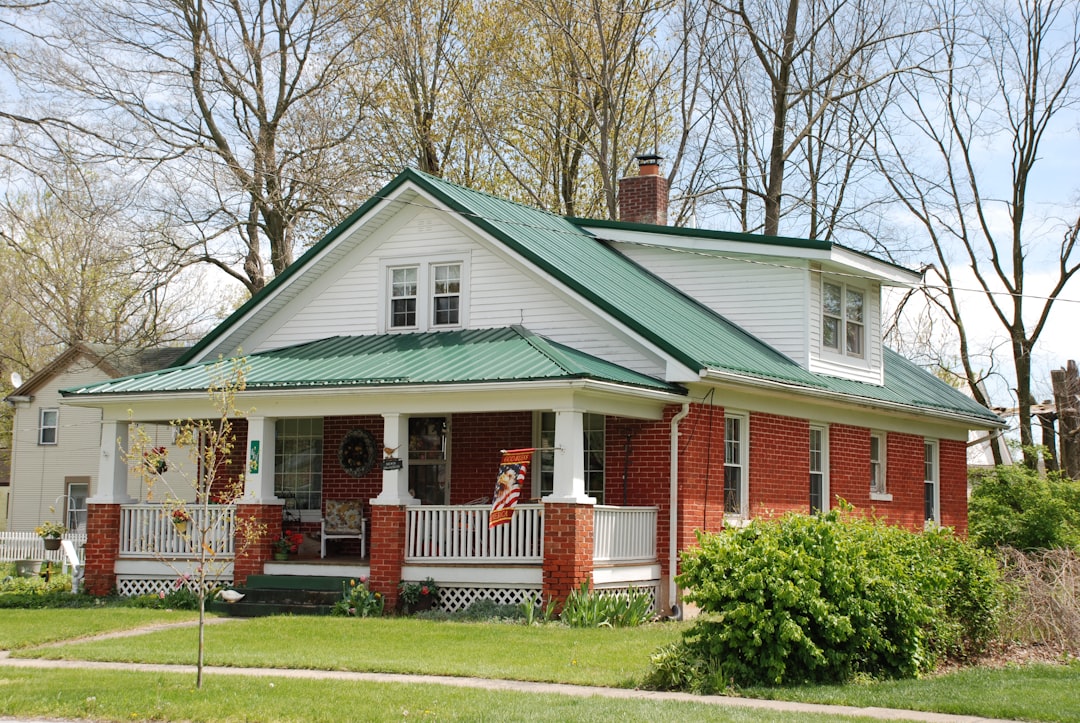
A new roof is a safeguard against harsh weather, rising utility costs, and structural damage. By understanding the process and timeline, homeowners can prepare accordingly and feel confident in the decisions they make. Proper planning and clear communication with a licensed contractor help ensure the project moves efficiently from start to finish.