
Discover the document that explains your rights and responsibilities as a federal student loan borrower. It helps you understand what you must do and what protections you have under federal law.
This paper is called the Master Promissory Note (MPN). It clearly explains the terms of your loan, including how you will repay it, the interest you will pay, and your rights as a borrower. Reading it carefully helps you know your full responsibilities from the time you get the loan until you finish paying it.

Why This Document is Crucial for Federal Student Loan Borrowers?
When you get a federal student loan, it is essential to know what your rights and duties are. These loans help you pay for your education, but they also have rules that you must follow. The government provides this loan with protections, but you also have responsibilities you must uphold.
There is one main paper that clearly explains everything. It is called the Master Promissory Note (MPN). This is a legal document that shows your agreement with the U.S. Department of Education or the company that handles your loan. It tells you exactly what you need to do while you have the loan, until you finish paying it back.
In this guide, you will learn more about the MPN and other helpful papers that can make your loan easier to understand. After reading this, you will know your rights as a borrower and how to manage your loan properly.
Read More:
Mortgage loan society Mortgage
What Document Explains Your Rights and Responsibilities as a Federal Student Loan Borrower?
The Master Promissory Note (MPN) is the most crucial paper you need to know about when you take a federal student loan. It clearly explains your rights and responsibilities as a borrower. The MPN is a legal agreement between you and the company or office that gives you the loan. It tells you everything about how your loan works, including:
- Loan Details: The MPN shows how much money you borrowed, what the interest rate is, and how and when you need to pay it back. It also says the date when you will receive the money.
- Repayment Rules: They tell you when you have to start paying back the loan and for how long you will keep paying it.
- Interest Rate: The MPN explains if your interest rate stays the same (fixed) or changes (variable), and how your interest is calculated.
- Your Rights: It also explains what you can do if you have money problems. For example, you can pause your payments temporarily through deferment or forbearance. The MPN explains how to ask for these options.
- If You Don’t Pay: The MPN also tells you what happens if you miss your payments. This can hurt your credit score, reduce your paycheck, and prevent your school from issuing your transcripts.
- Loan Forgiveness: In some cases, your loan can be canceled or forgiven — for example, if you die or become permanently disabled. The MPN explains when and how this can happen and how to apply for it.
Signing the MPN means you agree to all these rules. You must read and understand it carefully before you take the loan. Usually, you need to sign a new MPN for each new loan, but once you sign it, it can remain valid for up to 10 years.
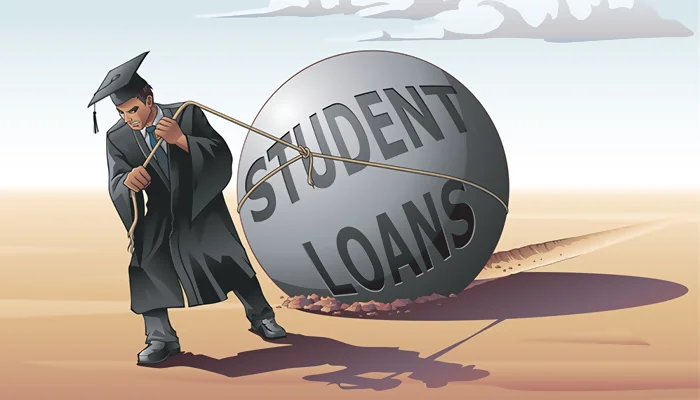
What Are Your Responsibilities as a Federal Student Loan Borrower?
When you take a federal student loan, you have some essential duties that you must follow. These duties are written in the Master Promissory Note (MPN). If you understand them well, you can avoid many problems later. Here are the main things you must do:
- Pay Back the Loan:
- Your primary responsibility is to repay your loan on time, as outlined in the MPN. You must make your payments every month or follow the payment plan you chose. If you don’t pay on time, you can face serious problems.
- Stay in Touch with Your Loan Servicer:
- If you have money problems or cannot make your payments, contact your loan servicer right away. They can help you change your payment plan, pause your payments (through forbearance or deferment), or find other ways to make it easier for you.
- Keep Your Information Updated:
- Always notify your loan servicer of any changes to your address, phone number, or email address. This way, you will get all important updates about your loan and won’t miss any notices or deadlines.
- Know the Rules of Your Loan:
- You must understand everything about your loan, like the interest rate, payment dates, and any extra fees. If you don’t understand something, ask your loan servicer to explain it to you.
- Follow All the Rules:
- If you can apply for deferment, forbearance, or loan forgiveness, make sure you follow all the steps correctly. For example, if you want Public Service Loan Forgiveness, you must meet all the rules and fill out the proper forms to get the benefit.
Understanding and following these simple steps will help you stay in good standing and make your loan experience much easier.
What Is the Student Loan Borrower Bill of Rights?
The Student Loan Borrower Bill of Rights is a set of rules that protects you when you have a federal student loan. It ensures your loan servicer treats you fairly and provides you with the information and tools you need to manage your loan easily.
Here are the main rights you have:
- Right to Clear Information: You should receive clear, simple information about your loan, including interest rates, fees, and repayment options.
- Right to Fair Treatment: Your loan servicer should treat you fairly. They should not issue incorrect bills or provide confusing information about repaying your loan.
- Right to Repayment Plans: You can see all repayment options, including plans that adjust your monthly payments based on your income.
- Right to Avoid Extra Fees: You should not pay unnecessary fees or be punished for mistakes that are not your fault.
The Borrower Bill of Rights helps protect you and makes sure you are treated fairly while paying back your student loan.
What Is a Student Loan Disclosure?
A student loan disclosure is a paper your loan servicer gives you after you take a loan. It tells you important details about your loan so you can understand it clearly.
Here is what it shows:
- Amount Borrowed: It tells you how much you borrowed and the terms of that loan.
- Interest Rate: It shows your interest rate and whether it stays the same (fixed) or changes (variable).
- Repayment Schedule: It explains when you start paying your loan and how long it will take to repay it.
This disclosure helps you know everything about your loan so you can manage your payments easily.
Additional Documents Related to Federal Student Loans
The Master Promissory Note (MPN) is the main paper that explains your rights and duties. But other documents also help you manage your student loans.
- Loan Disclosure Statement: This paper shows the details of each loan you get. It tells you how much money you borrowed, the interest rate, and your repayment options. You usually get this after you sign the MPN. It helps you keep track of your loan balance.
- Loan Servicer Communications: Your loan servicer will send you updates about your loan. This can include payment reminders, changes to your loan, and updates about your loan balance. Always read these messages carefully so you know what’s happening with your loan.
- Annual Loan Acknowledgment: Every year, you must review and confirm your loan details. This helps you stay informed about your loan balance, interest rates, and repayment options. This yearly acknowledgment enables you to keep on top of your payments and manage your loan properly.
What Increases Your Total Loan Balance?
Your total loan balance can get bigger in a few ways:
- Accrued Interest: If you pause your loan payments (defer or forbear), interest keeps adding up and is added to your total loan.
- Late Fees: If you miss a payment or pay late, your loan servicer may charge extra fees, which can increase your balance.
- Interest Added to Loan (Capitalization): Interest that is not paid during a pause can be added to your loan balance. After that, you pay interest on that added interest, which makes your total balance grow more.
To avoid your loan balance growing too fast, always try to pay on time and talk to your loan servicer if you have money problems.
Take Control of Your Student Loan
Knowing about the Master Promissory Note (MPN) and other loan papers is very important if you have a federal student loan. These papers explain your rights and duties so you can manage your loan easily and avoid problems.
By staying informed and paying attention to your loan, you can handle your student loan with confidence and make wise choices for your money.
FAQs
What Happens If I Don’t Pay My Federal Student Loan?
If you miss payments, bad things can happen:
- Late Fees: Extra fees are added to your loan.
- Credit Damage: Missing payments can hurt your credit score.
- Wage Garnishment: The government may take money from your paycheck if your loan goes into default.
If you have trouble paying, contact your loan servicer to ask about deferment, forbearance, or income-driven plans.
Can I Change My Repayment Plan?
Yes. You can choose plans like:
- Income-Driven: Payments match your income.
- Graduated: Payments start small and grow over time.
- Extended: Pay over a longer period to lower monthly payments.
How Do I Find My Loan Servicer?
Your loan servicer is the company that manages your loan repayments. You can find the name of your loan servicer by logging into your Federal Student Aid account online. You can also contact your loan servicer directly if you have any questions or need assistance managing your loan.

Peyman Khosravani is a global blockchain and digital transformation expert with a passion for marketing, futuristic ideas, analytics insights, startup businesses, and effective communications. He has extensive experience in blockchain and DeFi projects and is committed to using technology to bring justice and fairness to society and promote freedom. Peyman has worked with international organizations to improve digital transformation strategies and data-gathering strategies that help identify customer touchpoints and sources of data that tell the story of what is happening. With his expertise in blockchain, digital transformation, marketing, analytics insights, startup businesses, and effective communications, Peyman is dedicated to helping businesses succeed in the digital age. He believes that technology can be used as a tool for positive change in the world.