Industrial floats are a vital yet often overlooked component in a wide range of heavy-duty operations. Designed for use in aquatic and fluid-heavy environments, these floats serve critical roles in supporting pipes, hoses, and equipment in both fixed and mobile installations. Whether operating on open water, in industrial lagoons, or at remote construction sites, industrial floats help maintain infrastructure stability, reduce wear, and improve safety.
Their composition is engineered for durability, usually made from high-density polyethylene (HDPE) or similar materials resistant to UV rays, impact, and chemical corrosion. The importance of selecting the right float type becomes increasingly clear when projects involve dredging, mining, wastewater management, or oil and gas operations.
Dredging and Marine Construction
Marine construction and dredging projects heavily rely on flotation systems to support the transport of materials via hoses and pipelines. These floats allow sections of pipe to remain buoyant and aligned across large spans of water, enabling sediment or slurry to be efficiently relocated. The folks at https://ezconnectfloats.com/dredge-hose/ say that a dredge hose operating in turbulent or saltwater environments must be paired with highly durable flotation devices to maintain functionality under constant strain. These floats are specifically designed to withstand the weight and movement of fluid-filled hoses, preventing sinking, sagging, or damage to the infrastructure below.
This type of application is common in harbor deepening, beach nourishment, and environmental remediation, where massive quantities of material need to be moved quickly and reliably.
Oil and Gas Sector Applications
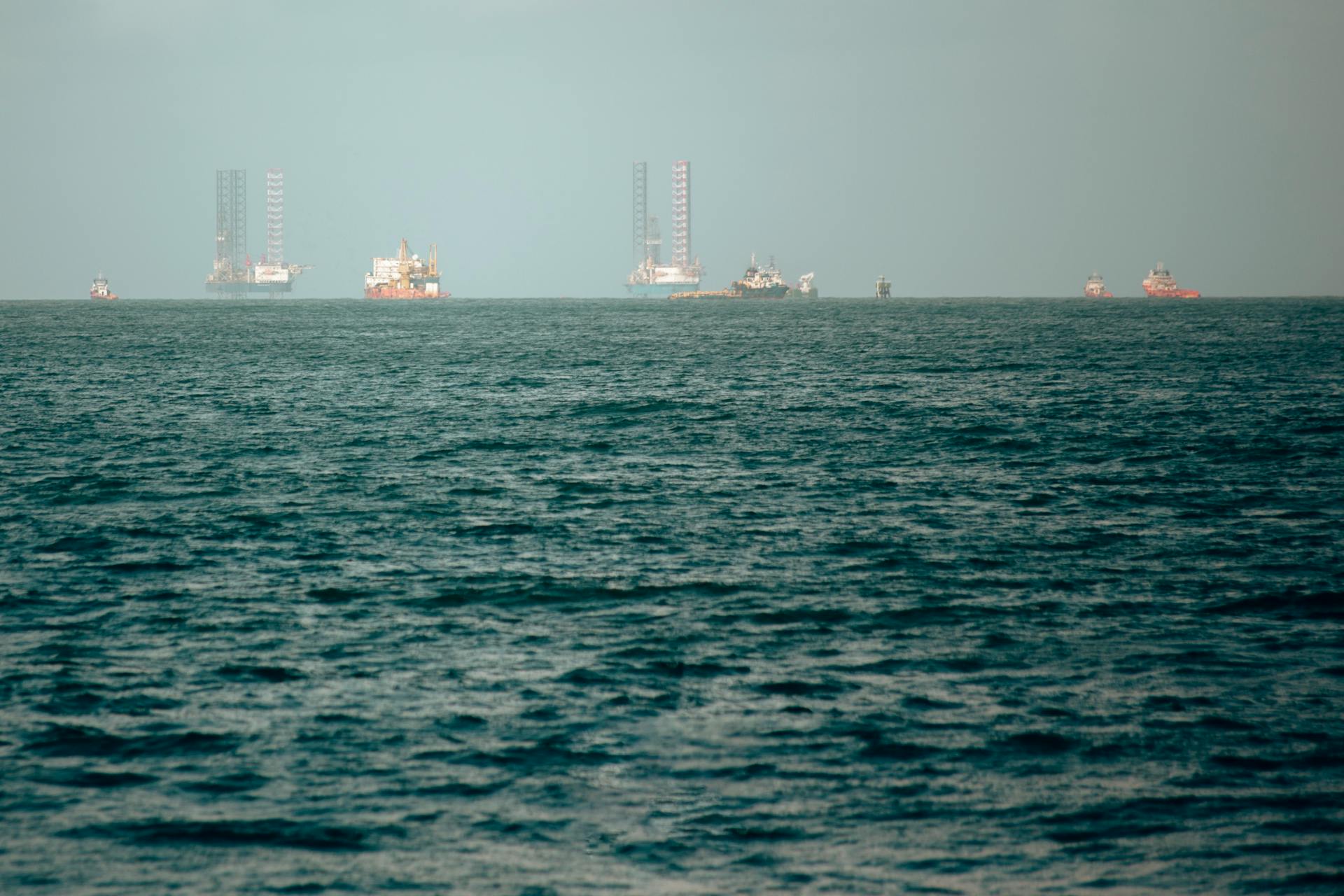
In the oil and gas industries, particularly at offshore or coastal extraction sites, industrial floats play a crucial role in supporting temporary or flexible pipelines. These lines transport crude oil, chemicals, and wastewater between vessels, rigs, and land-based storage facilities.
Floats are used for buoyancy and to organize and secure pipe alignments in active currents or shifting weather conditions. When precision and stability are paramount, such as during fuel transfers or emergency operations, proper float systems reduce operational risk and help maintain environmental compliance.
Pipeline floats are commonly integrated into modular support systems that can be deployed and reconfigured rapidly, making them an ideal solution for both planned and reactive use cases in this high-stakes industry.
Mining and Slurry Transport
In mining operations, both on land and in slurry ponds, floats are used to suspend hoses carrying abrasive materials like mud, sand, and ore slurry. These floats ensure that transport lines don’t rest on jagged rocks, drag along rough terrain, or sink into unstable sediment.
The abrasion-resistant qualities of modern industrial floats provide much-needed protection, extending the lifespan of hoses and minimizing maintenance downtime. Their lightweight yet rugged construction means they can be transported and deployed with minimal labor, an important factor in remote or logistically challenging sites.
For larger-scale mining operations that operate year-round, maintaining proper hose alignment and buoyancy is critical for avoiding costly repairs or production delays caused by hose damage or blockages.
Wastewater and Environmental Services
In environmental management, particularly within wastewater treatment or flood control systems, floats play a key role in positioning aeration systems, surface skimmers, and intake pipes. Industrial floats allow infrastructure to rise and fall with water levels, ensuring consistent operation regardless of environmental fluctuations.
This functionality is vital in stormwater basins, where floating systems must remain active during sudden surges or drops in water levels. Improperly supported equipment can malfunction or break free, leading to environmental contamination or facility shutdowns.
Floats are frequently used to support temporary pump systems in areas where ground access is difficult or unstable. Their mobility and modularity allow for creative and effective solutions to rapidly changing conditions in both urban and rural water systems.
Agriculture and Irrigation Systems
The agricultural industry uses industrial floats to manage irrigation systems that operate in fields, ponds, or artificial lakes. These systems often rely on pumps and intake lines that must be precisely positioned to maintain flow rates and prevent damage from sediment or vegetation.
Floats ensure that hoses and intakes stay at optimal levels, preventing them from drawing in debris or getting tangled. They simplify the repositioning of irrigation lines throughout the season as planting patterns and water levels change.
In rice farming and aquaculture, where water levels fluctuate significantly, float-supported equipment provides the flexibility and resilience necessary to maintain high productivity with minimal manual intervention.
Industrial Cleaning and Temporary Utility Solutions
Industrial cleaning services that deal with hazardous chemicals or high-volume water blasts rely on floats to support fluid transfer hoses. In these settings, equipment may be moved frequently across construction zones, manufacturing plants, or processing facilities, requiring durable flotation systems to maintain control and reduce risk.
Temporary utility lines, such as those set up for event venues, emergency response zones, or infrastructure projects, benefit from industrial floats. They keep lines visible, accessible, and above ground or water, which minimizes tripping hazards, pressure loss, and environmental interference.
From dredging operations to agriculture and environmental services, industrial floats serve a surprisingly broad range of crucial functions. Their role in supporting hoses, pipes, and critical infrastructure ensures that fluid transport remains safe, efficient, and uninterrupted, even in the most demanding conditions. When chosen and applied correctly, industrial floats can extend equipment lifespan, reduce repair costs, and enhance project success across industries.

Peyman Khosravani is a global blockchain and digital transformation expert with a passion for marketing, futuristic ideas, analytics insights, startup businesses, and effective communications. He has extensive experience in blockchain and DeFi projects and is committed to using technology to bring justice and fairness to society and promote freedom. Peyman has worked with international organizations to improve digital transformation strategies and data-gathering strategies that help identify customer touchpoints and sources of data that tell the story of what is happening. With his expertise in blockchain, digital transformation, marketing, analytics insights, startup businesses, and effective communications, Peyman is dedicated to helping businesses succeed in the digital age. He believes that technology can be used as a tool for positive change in the world.