
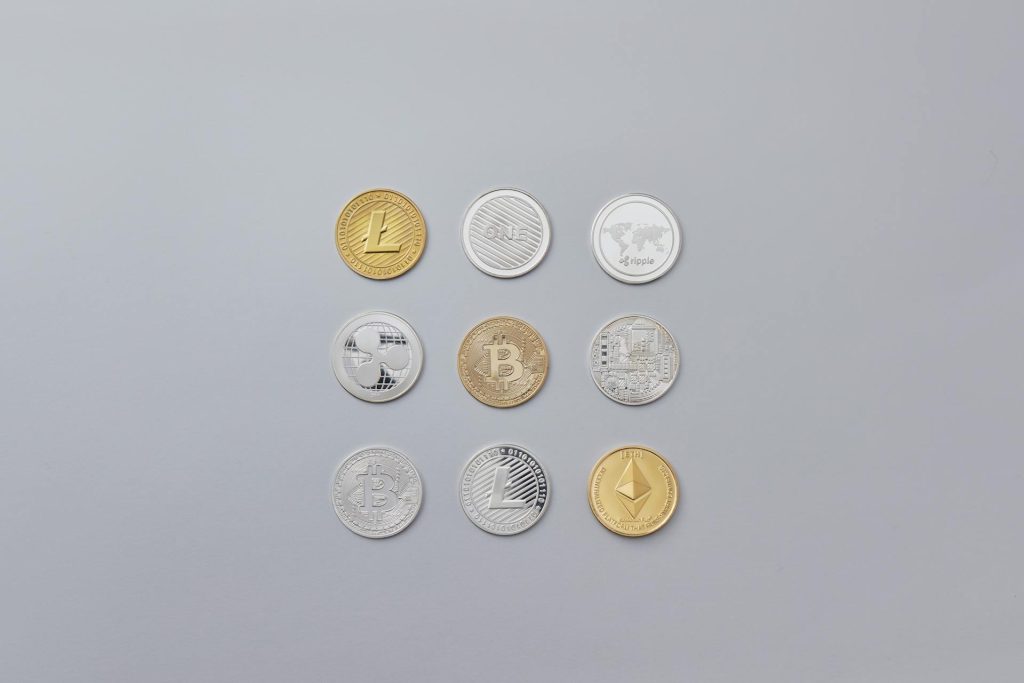
At many charity events, donors leave with more than a receipt and a handshake. They often carry a small object that marks the moment and the cause. That object can shape memory and prompt repeat support.
In investor circles, recognition also matters, but it must stay tasteful and well governed. Some fund teams support community drives through sponsor partnerships and employee giving programs. When they use physical tokens, makers like Challenge Coins 4 Less are one common production route.
What A Challenge Coin Is, And Where It Came From
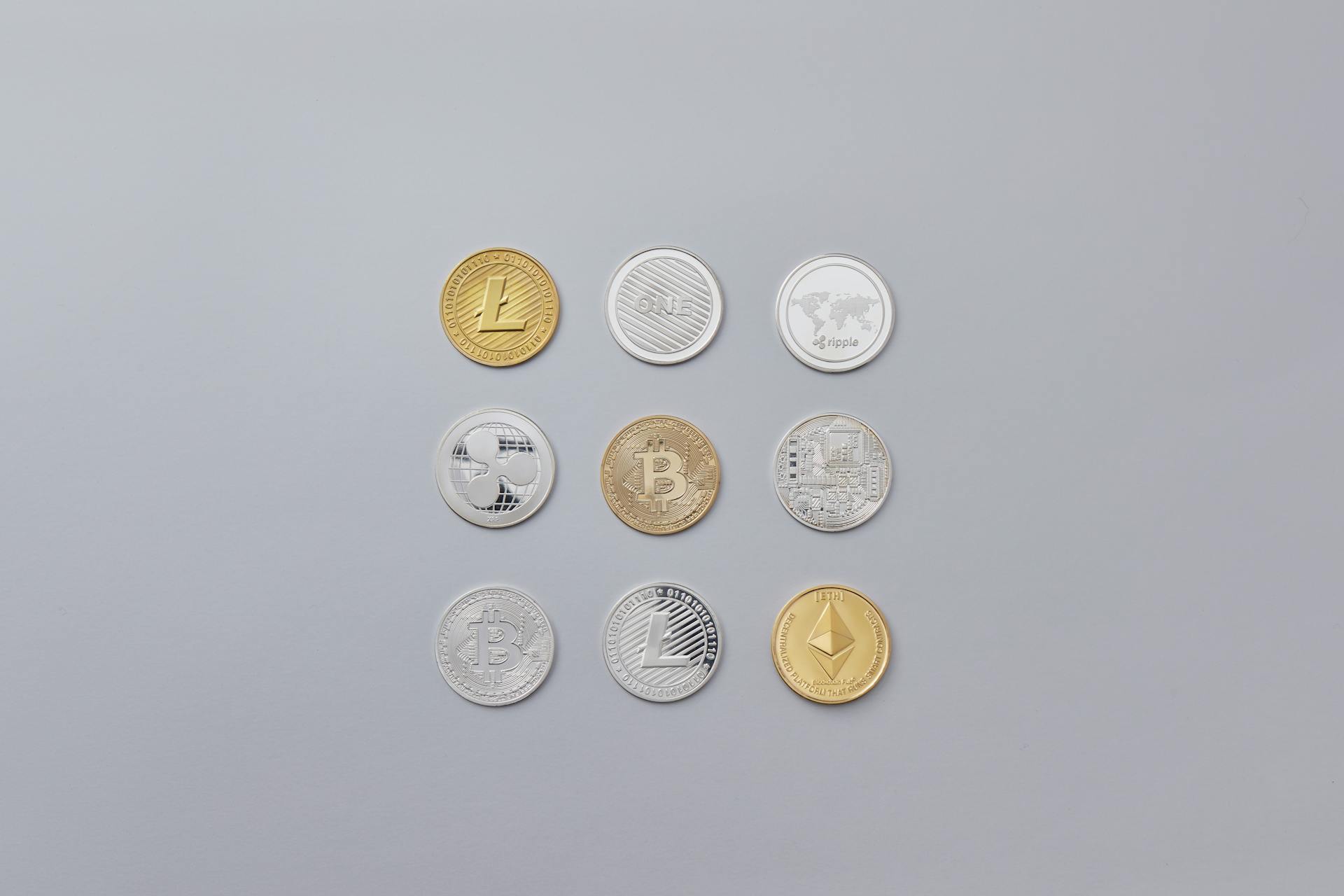
A challenge coin is a small, metal medallion that signals membership, service, or shared effort. Coins often show a unit mark, a mission phrase, or a date tied to the event. They are meant to be carried, shown, and kept.
Coins gained visibility through military and public service use, then spread into civic groups. Museums also collect them as cultural objects with clear provenance and design details. One example is a coin in the Smithsonian’s National Museum of American History collection, shown with basic catalog data.
In fundraising, the coin shifts from internal recognition to donor recognition and campaign identity. Instead of saying “member of this unit,” it can say “supporter of this drive.” The coin becomes a compact record of participation that fits a pocket.
For HedgeThink readers, the important point is intent and governance, not novelty. A coin should support a clear program goal, such as retention or event attendance. It should never look like a covert rebate for giving.
Why Coins Work In Fundraising, Without Feeling Like Merch
Fundraising often rises or falls on follow through, not one time excitement. A coin can serve as a reminder that a donor acted with purpose. That reminder matters when renewal season arrives.
Coins also help when a campaign has many small donors and limited staff time. A consistent design lets volunteers explain the drive in one short sentence. It also gives supporters a shared symbol that travels beyond the event room.
Donor recognition tools work best when they match the giving tier and the cause tone. A sober memorial campaign needs different design choices than a youth sports scholarship drive. In both cases, the object should respect the donor and the people served.
Coins can also create a clean boundary between “thank you” and “benefit received.” A token can feel meaningful without being valuable in a resale sense. That distinction helps teams avoid turning giving into a purchase.
How To Build A Coin Based Fundraiser That Holds Up To Scrutiny
A coin program needs a simple operating plan that staff can repeat each quarter. It also needs a paper trail that finance and compliance teams can review. The goal is steady execution, not constant redesign.
Start with a short campaign brief that answers these points in plain terms:
- What action earns a coin, and what action does not earn a coin.
- How many coins will exist, and who controls storage, counts, and distribution records.
- What wording appears on the coin, and who approves final copy and imagery.
- How the coin supports retention, attendance, or volunteer sign ups after the campaign ends.
Next, separate donor recognition from donor benefit, and document the line you are drawing. The IRS explains basic rules on deductibility and substantiation on its page about charitable contribution deductions. Even when a fund is not the donor, partners and employees may need clear guidance.
Operationally, coins tend to work best in two formats that stay easy to audit. One format is a fixed tier, like “$100 donors receive a coin,” with a clear cutoff date. Another format is attendance based, where a coin marks participation in a service day.
Design And Messaging Choices That Fit A Finance Audience
Finance audiences notice signals, and they also notice when signals look careless. A coin design should use crisp language, accurate dates, and symbols with permission. It should avoid jokes that could age badly or confuse partners.
Keep the message short and factual, since coins have limited readable space. Use one clear campaign name, one date marker, and one verified logo element. If the cause has sensitive context, use a neutral emblem instead.
A coin can also support transparency when you treat it as a reporting hook. Pair the coin distribution with a short post campaign note that states results and next steps. That note can live on a nonprofit partner site, or in an internal impact update.
If a fund or firm is involved through sponsorship, the coin should not read as an ad. It should acknowledge support in a restrained way, or avoid sponsor naming entirely. Many teams choose a “community partner” line instead of a brand name.
Common Pitfalls And Simple Ways To Avoid Them
Most coin campaigns run into problems when details are vague at the start. A donor may think the coin has resale value, or assume it unlocks access to a private event. Clear language on the donation page and event signage prevents those misunderstandings.
Another common issue is uncontrolled inventory. If coins move through many hands, teams lose count and cannot match distribution to the rules they set. A sign out log, sealed boxes, and one named custodian reduce drift.
Design approvals also trip teams up when logos or seals are used without formal permission. This can create reputational risk for both the fundraiser and any sponsor. Use only approved marks, keep records of sign off, and avoid anything that looks like an official badge.
Finally, beware of turning recognition into a reward that feels like a purchase. If the coin becomes the main reason to give, the message shifts from impact to object. Treat the coin as a thank you, and keep the impact report as the main follow up.
Practical Takeaway For Fund And Partner Teams
A good coin program leaves people with a clean memory and a clear story. It also keeps records that match what was promised at the start. When those two pieces align, the token supports trust without creating compliance noise.

Peyman Khosravani is a global blockchain and digital transformation expert with a passion for marketing, futuristic ideas, analytics insights, startup businesses, and effective communications. He has extensive experience in blockchain and DeFi projects and is committed to using technology to bring justice and fairness to society and promote freedom. Peyman has worked with international organizations to improve digital transformation strategies and data-gathering strategies that help identify customer touchpoints and sources of data that tell the story of what is happening. With his expertise in blockchain, digital transformation, marketing, analytics insights, startup businesses, and effective communications, Peyman is dedicated to helping businesses succeed in the digital age. He believes that technology can be used as a tool for positive change in the world.








