
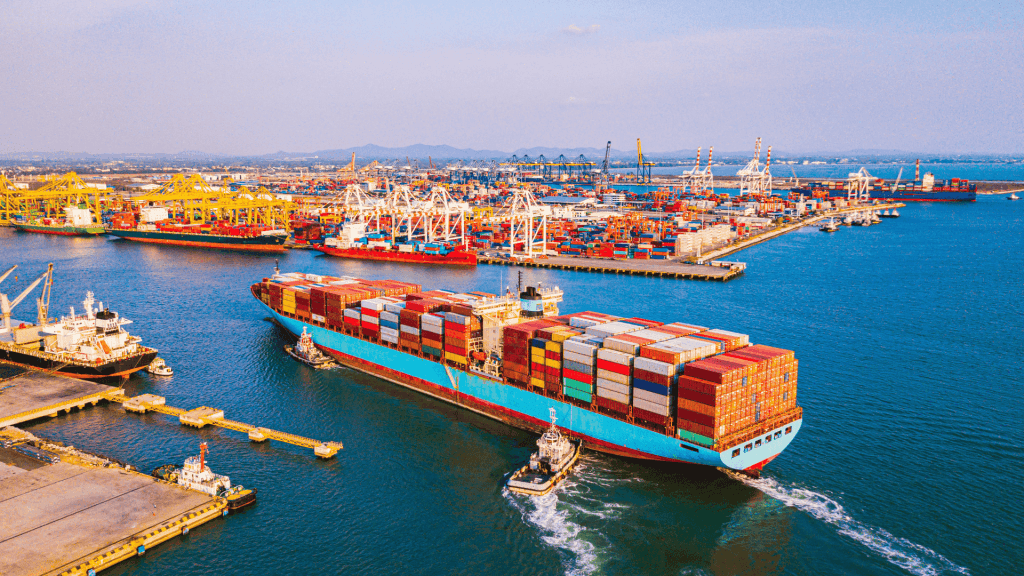
Navigating the world of maritime insurance requires a clear understanding of specialized coverage that goes beyond standard workers’ compensation. For businesses with employees working on docks, vessels, or other navigable waters, the risks can be complex, varied, and often overlooked. From temporary laborers to longshore workers and marine contractors, identifying who truly needs protection and ensuring the right policy is in place presents unique challenges for insurance agents. This guide examines the intricacies of USLH coverage, highlighting key considerations, common pitfalls, and strategies agents can employ to deliver comprehensive, tailored solutions for clients in maritime environments.
Who Needs USLH Coverage?
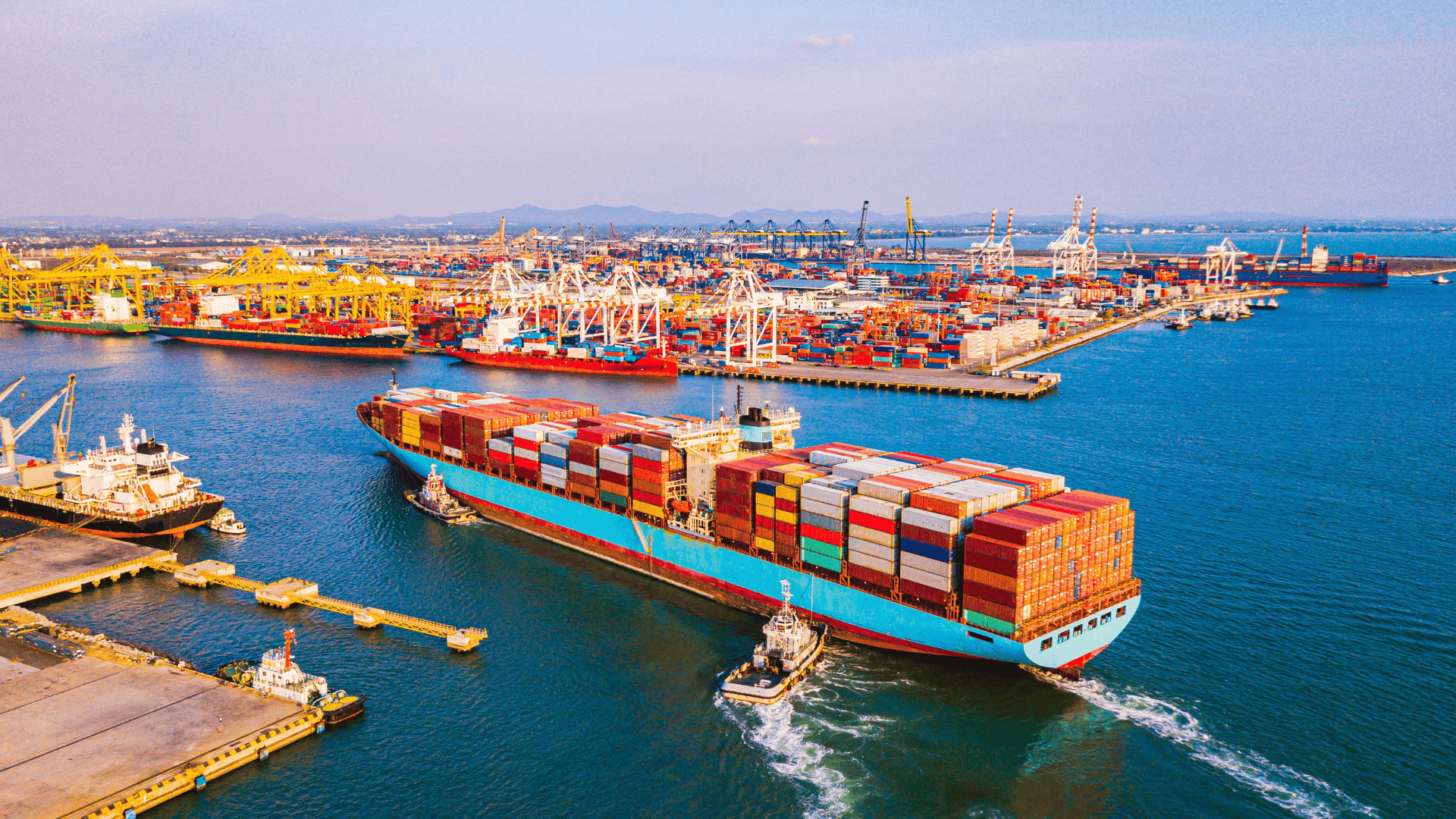
USLH coverage is not solely for large shipping companies. Any business with employees engaged in maritime operations—such as dock workers, harbor construction teams, marine repair technicians, and terminal operators—may need protection. Overlooked scenarios often include contractors performing maintenance on piers, oil spill cleanup crews, or even temporary labor hired for dockside projects.
Common missteps occur when agents assume a standard workers’ compensation policy will extend to employees working on navigable waters. In fact, the Longshore and Harbor Workers’ Compensation Act extends statutory protection to a range of roles that may only occasionally come in contact with boats, docks, or wharves.
Challenges Faced by Insurance Agents in Placing USLH Risks
Placing USLH risks can be daunting, with many mainstream carriers reluctant to take on these exposures due to the complexity and unfamiliarity with federal requirements. Determining exactly which clients need USLH coverage—and crafting a policy that fits their particular risk profile—requires diligence and expertise. Scenarios involving multi-state operations, part-time maritime exposures, or changing regulatory guidance can make risk assessment challenging.
Compounding these challenges are strict reporting requirements, high potential claims costs, and legal interpretations that frequently shift with court precedents. For agents, the stakes are high: missing or misclassifying USLH exposure can leave clients dangerously uninsured and expose agencies to liability.
What Makes USLH Policies Unique?
USLH policies differ significantly from standard workers’ compensation insurance. While both offer protection for workplace injuries, USLH covers workers injured upon the navigable waters of the United States or in adjoining areas, such as docks and terminals. The coverage scope extends to more hazardous working conditions, higher benefit levels, and unique medical and indemnity provisions.
Moreover, USLH policies often include tailored endorsements for maritime contractors, coverage for situations involving borrowed servants, or extensions for non-maritime job functions performed in maritime zones. Unlike traditional policies, exclusions and conditions may address government contracts or foreign operations, reflecting the complexity of the maritime environment.
Key Elements Agents Should Look For in USLH Solutions
Selecting the right USLH policy involves more than ticking off coverage boxes. Agents should evaluate coverage options for Defense Base Act extensions, voluntary compensation, and applicable maritime endorsements to ensure comprehensive protection. Scrutiny of exclusions is equally essential; be vigilant for carve-outs related to crewmembers, foreign waters, or non-maritime job duties. According to Investopedia, understanding the framework provided by the Longshore and Harbor Workers’ Compensation Act (USL&H) is critical for navigating these complexities and ensuring compliance. Conditions regarding reporting, audits, and premium adjustment mechanisms can also significantly impact your client’s compliance and cost obligations, while experience-based risk rating and claims management support are key factors in maintaining long-term client satisfaction.
Risk Assessment: Working With Clients to Identify Unique Needs
Practical risk assessment starts with a thorough understanding of the client’s business operations and workforce activities. Utilize detailed checklists and exposure surveys to capture the scope of maritime operations. Engaging clients in these conversations reveals exposures often missed in routine renewals.
Hazard identification, as outlined by OSHA, should be the first step. Map employee duties, locations, and interactions with water-adjacent environments. Encourage your clients to regularly review job assignments, subcontracts, and temporary labor arrangements for new or shifting USLH exposure.
Proactive Steps for Agents Seeking Better Client Solutions
Agents who regularly communicate with their clients, review policies proactively, and foster open dialogue about job changes or new ventures are best positioned to respond to emerging risks. Proactively scheduling annual or semi-annual coverage reviews, combined with employee training and access to safety resources, helps close knowledge gaps for both agents and clients.
Collaboration with underwriters and other insurance professionals—perhaps through industry forums or knowledge-sharing platforms—can offer valuable insights into creative solutions for uncommon risks. Leveraging a network of specialists with deep USLH experience enhances your ability to deliver tailored, forward-thinking solutions.
Conclusion: Fostering Trust and Value Through Knowledge of USLH Coverage
By mastering USLH coverage requirements and staying informed on regulatory and market developments, insurance agents can provide critical value to clients operating in high-risk maritime environments. Understanding unique exposures, assessing risks diligently, and prioritizing clear communication positions agents as trusted advisors. Built on expertise, ongoing education, and proactive engagement, agents can help clients achieve robust risk management strategies and peace of mind in a challenging and ever-evolving insurance landscape.









