
Moving gets tricky the moment your stuff is larger than doorways, heavier than one person can lift, or too fragile for a bumpy truck ride. With a bit of planning and the right gear, you can keep big-ticket items safe and your back even safer.

Plan the move around oversized items
Start your timeline with the heaviest and most awkward pieces. If you own a piano, pool table, or other specialty item, look for movers who handle them regularly, since industry guides note that certain large or fragile goods often need specialist removalists rather than a standard crew. Build in extra time for these pieces so you are not rushing at the end.
Stage the move with short-term storage
Not every oversized item has to travel on the same day as your keys change hands. If you need a breather, you can split the move and store the bulkier pieces for a week or two, and Wyoming storage options let you stage items closer to the new place, then bring them in once rooms are set. This also helps if you are repainting, refinishing floors, or waiting on new carpets.
A growing number of facilities offer climate-controlled units, which can help protect timber, instruments, and electronics from humidity swings. A 2024 market report noted the rising preference for temperature control, flexible leases, and value-added services, so compare features rather than choosing by distance alone. As a quick sense of availability, one storage guide estimates there are well over 2,800 facilities across Australia, which means you can usually find a unit that fits a sofa, a king mattress, or a boxed dining set without driving far.
Measure, map, and clear pathways
Grab a tape measure and map the route from each item to the truck. Measure door widths, hallway turns, and elevator dimensions, then compare them to your item’s longest edge. Remove doors if needed, pad tight corners, and secure trip hazards. A clean path reduces bumping, scraping, and mid-hallway pivots that can crack casters or gouge walls.
Protect backs and ban risky lifts
Heavy lifts are a top cause of missed-work injuries, and safety resources point out that more than a third involve the shoulder or back. Use dollies, lifting straps, and sliders to move the weight onto wheels instead of people. Professional movers also warn that herniated discs and muscle strains happen when folks “muscle it” without proper body mechanics, so make team lifts the rule and keep loads close to the body.
Prepare appliances and specialty pieces
Large appliances need a little prep to travel well. Consumer guidance says to turn off and empty fridges or freezers a full 24 hours before moving, then keep doors ajar so they air out. Drain washing machines, tape cords to the back, and use edge guards on glass and stone tops. For pool tables, remove pockets and rails if possible, and crate slate sections so they cannot flex.
Know what removalists will not take
Before moving day, ask what your mover can legally carry. Trade associations list prohibited dangerous goods that removalists should refuse, including flammables and certain chemicals. Separate small engines from petrol, empty fuel safely, and label anything that might be questionable, since guidance also reminds homeowners to empty petrol-powered items ahead of loading.
Quick gear checklist for oversized items
A few pieces of the right kit make heavy lifts safer and faster. Keep these on hand so you can protect backs, walls, and the items themselves during tight turns and long carries.
- Appliance dolly with straps
- Furniture sliders for hard floors and carpet
- Heavy-duty moving blankets
- Stretch wrap to secure the padding
- Corner and edge protectors
- Lifting straps for team carries
- Ratchet straps and tie downs for the truck
- Mattress bags and sofa covers
- Work gloves and closed-toe shoes
- Painter’s tape, labels, and zip-top hardware bags
Communicate with your movers
Share all the big-item details on the quote call. Tell them about stairs, elevator bookings, and anything over a standard weight. If an item needs partial disassembly, ask the crew to bring the right tools and hardware bags. Flag fragile surfaces so the team brings extra pads and corner guards, and confirm access times so no one is rushing to beat a lift curfew.
On delivery day
Walk the path inside your new place before the truck arrives and protect floors with rosin paper or mats. Assign someone to the door and another to direct where each big item lands. Take your time on the last few feet of each move, since dings and smashes often happen during final positioning when people relax.
After the move
Unwrap oversized items as soon as possible and check for damage while the crew is still present. Plug in appliances only after they have stood upright for long enough to let oils settle as recommended by the maker. Keep all receipts, serial numbers, and photos together for warranty or insurance follow-up.
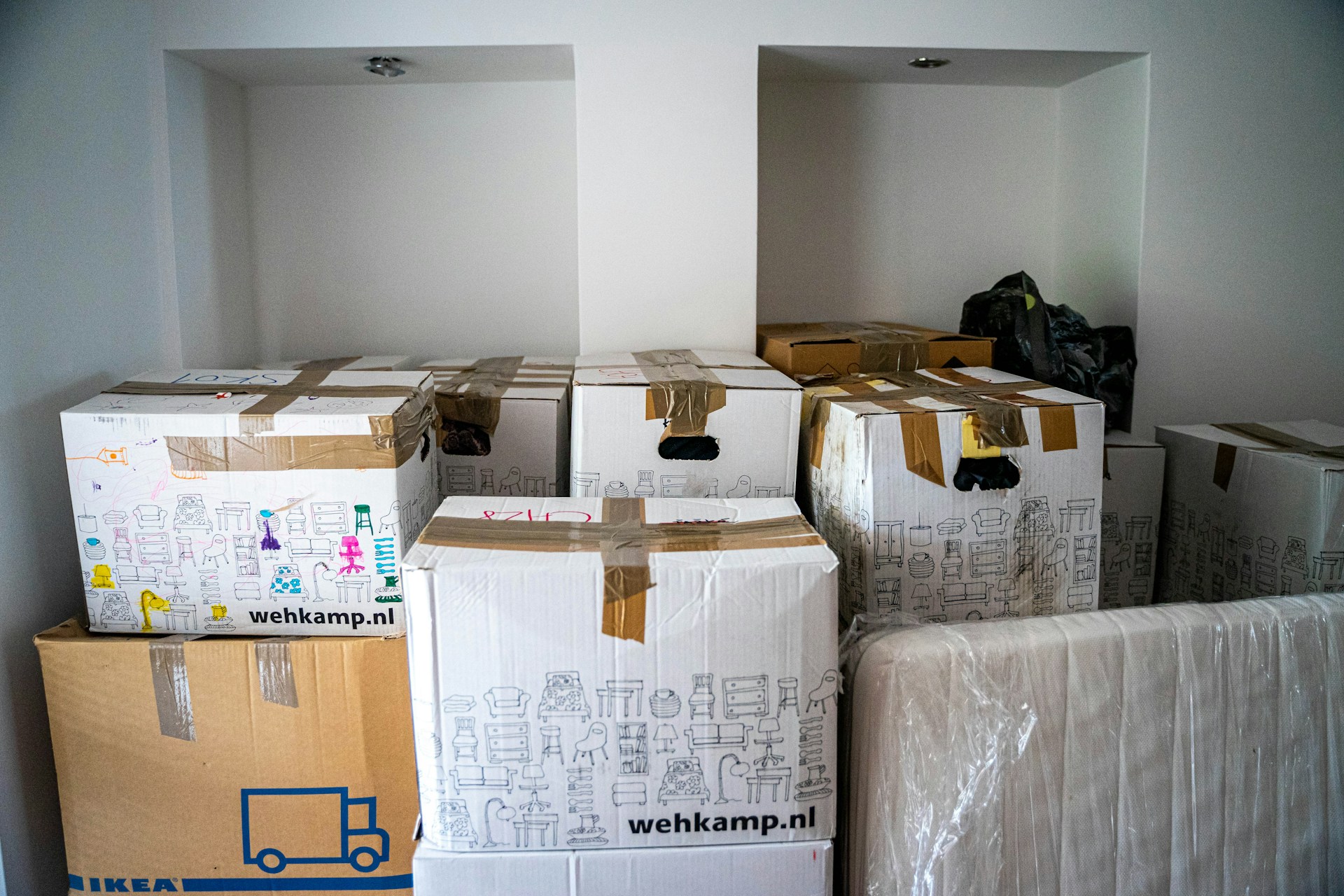
Large pieces do not have to be a headache. With careful measuring, smart lifting, and some staging time, you can move heavy, fragile, and awkward items without damage or drama. Plan around the biggest challenges first – then everything else feels easy.

A dad of 3 kids and a keen writer covering a range of topics such as Internet marketing, SEO and more! When not writing, he’s found behind a drum kit.