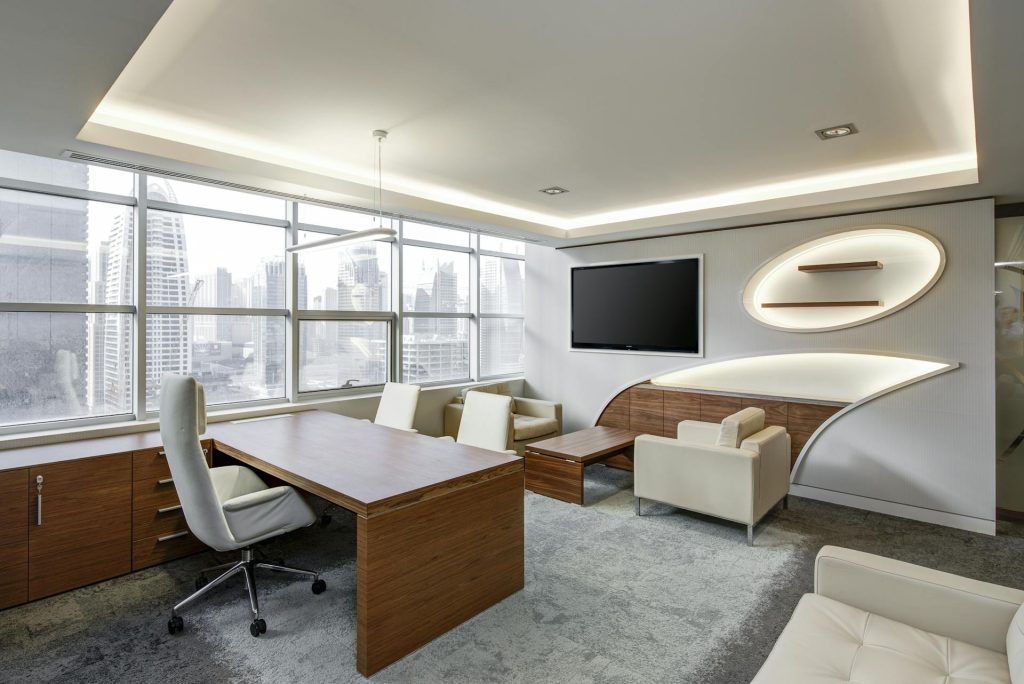
A clean and organized workspace does more than improve appearances; it directly impacts focus, productivity, and well-being. Whether at home or in a corporate office, clutter can quickly accumulate and create distractions that reduce efficiency. Maintaining a well-structured environment requires more than occasional tidying; it involves consistent habits, smart storage solutions, and a thoughtful approach to how space is used. With the right strategies, any workspace can become a place that supports concentration, creativity, and professional growth.
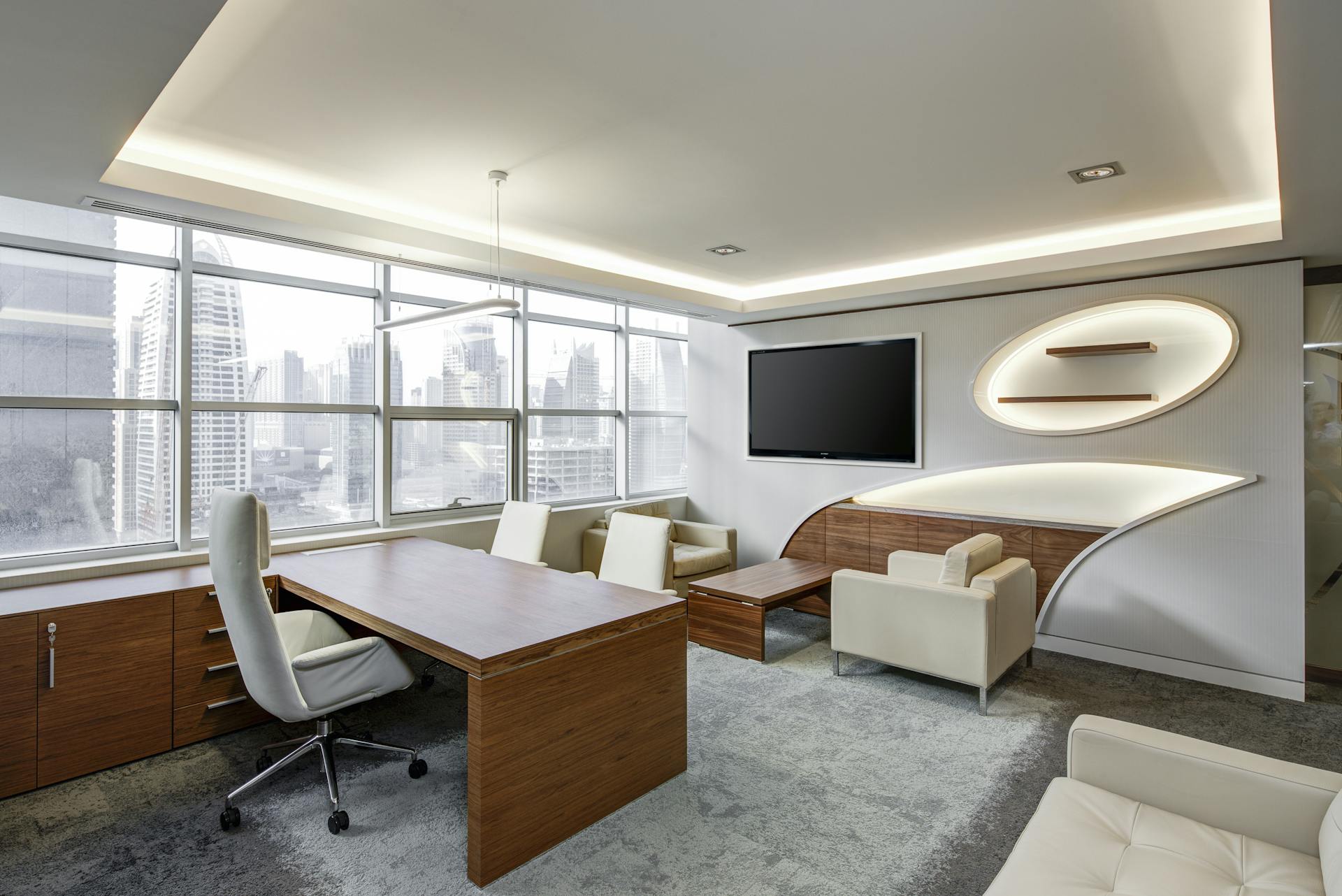
Using Smart Storage to Reduce Clutter
Storage plays a central role in keeping work areas organized. A workspace without proper storage solutions is more likely to collect piles of paper, loose equipment, and miscellaneous items that get in the way of productivity. By investing in systems that make it easy to store, access, and manage belongings, individuals can keep their surroundings tidy with less effort. Whether it’s Yellowbox smart lockers or modular shelving units, efficient storage options provide secure and convenient ways to keep both personal and work-related items organized. The key is to assign every item a designated space.
When tools, documents, and personal belongings have clear homes, they are less likely to be misplaced or left scattered around the office. Storage solutions should be tailored to the specific type of work being done. Creative professionals might benefit from labeled bins for supplies, while administrative teams may prefer filing systems and digital storage integrations. Regularly reviewing storage setups ensures that they continue to meet evolving needs.
Establishing Daily Cleaning and Reset Routines
One of the simplest ways to maintain a clean workspace is to adopt daily reset habits. A few minutes at the end of each workday can prevent clutter from accumulating and keep surfaces ready for the next morning. Wiping down desks, putting away supplies, and organizing papers help create a fresh, inviting environment. These small actions become automatic, reducing the need for extensive deep cleaning sessions later.
In shared spaces, establishing team-wide routines ensures that everyone contributes to maintaining order. Scheduling five-minute cleanup breaks at the end of the day or assigning responsibilities for communal areas can keep break rooms, meeting rooms, and shared desks consistently organized. A collective approach reinforces accountability and encourages everyone to respect the workspace.
Going Digital to Minimize Physical Mess
Many workplace messes stem from excessive paperwork and physical materials that pile up. Transitioning to digital tools can drastically reduce this clutter. Cloud-based storage, document management systems, and e-signature tools allow teams to work efficiently without relying on stacks of paper. Organizing digital files in clearly labeled folders mirrors the logic of physical storage, ensuring that information remains easy to find.
Digitizing records improves collaboration and accessibility for hybrid or remote teams. Instead of hunting through filing cabinets, employees can quickly locate documents online, saving time and physical space.
Creating Zones for Different Activities
A well-organized workspace often incorporates designated zones for different tasks. This strategy helps maintain structure and makes it easier to keep items in their proper places. For example, one zone might be dedicated to focused individual work, another to meetings or collaboration, and a third to storage and equipment. By clearly defining areas for specific functions, it becomes easier to control clutter and maintain an efficient flow throughout the day.
Even in small spaces, creating zones is possible. A corner of a desk can be reserved for reference materials, while another area holds frequently used tools. In larger offices, this might involve using partitions, signage, or furniture arrangements to separate functions.
Encouraging Personal Responsibility and Shared Standards
Clean and organized workplaces don’t happen by accident; they rely on consistent behaviors and shared expectations. Encouraging personal responsibility is important. Employees should be expected to manage their own workstations and respect communal spaces. Providing clear guidelines, such as policies for personal storage, food in shared areas, or equipment borrowing, helps maintain consistency across the organization.
Leaders play a key role by setting the example. When managers keep their spaces organized and follow established routines, employees are more likely to do the same. Regular reminders and positive reinforcement, rather than punitive measures, foster a culture where cleanliness and organization are valued by everyone.
Scheduling Regular Deep Cleans and Audits
Even with daily habits in place, workspaces benefit from periodic deep cleans and audits. These sessions go beyond surface tidying to address accumulated dust, unused items, and disorganized storage systems. Scheduling quarterly or monthly deep cleans ensures that neglected corners and storage areas remain functional and hygienic.
Audits provide an opportunity to assess whether current systems are working effectively. Are certain tools or documents taking up unnecessary space? Have storage solutions kept pace with the team’s needs? Addressing these questions helps refine organizational strategies. Removing obsolete materials and refreshing the layout keeps the environment efficient and aligned with daily operations.
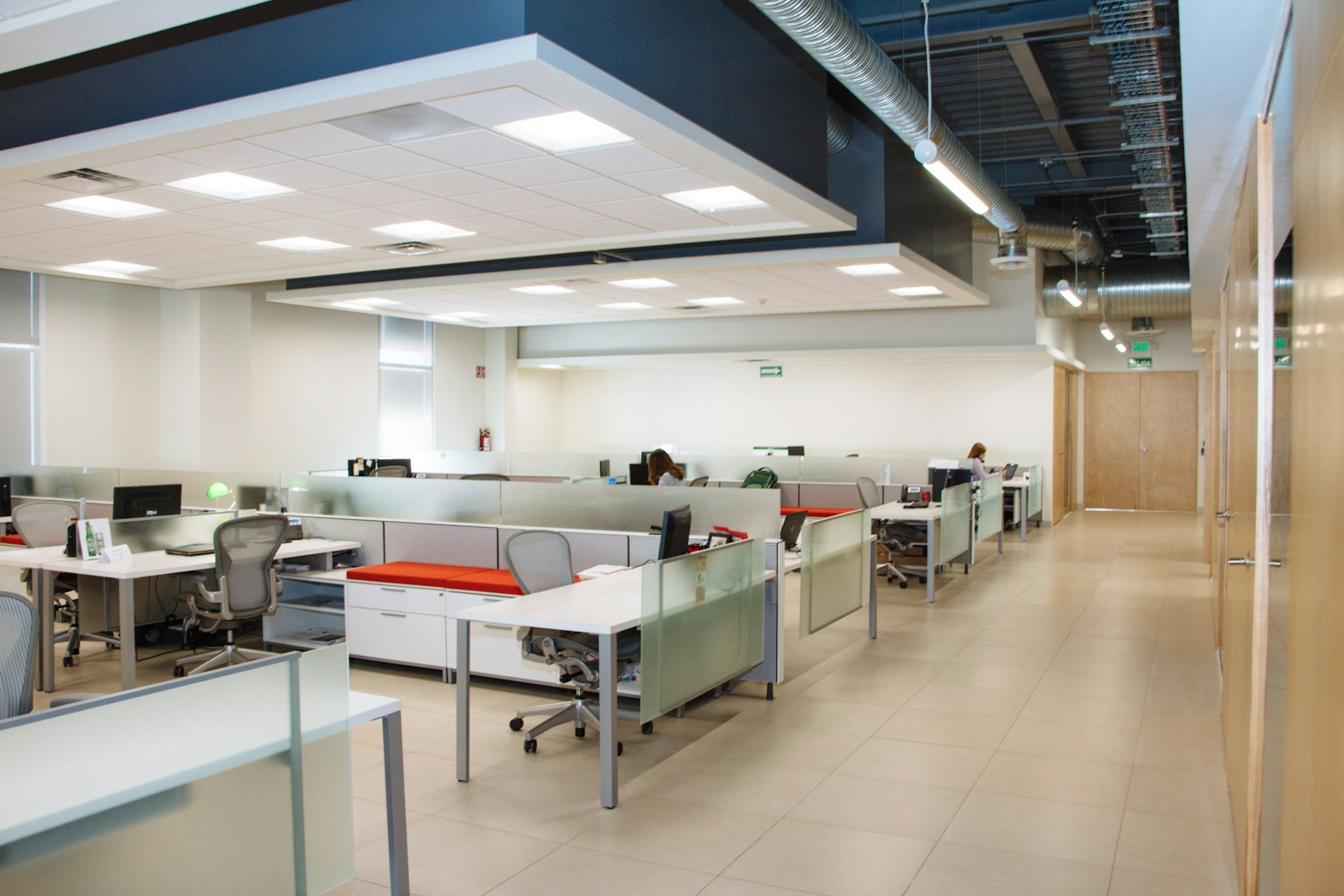
Maintaining a clean and organized workspace is an ongoing process that requires planning, consistency, and the right tools. By incorporating smart storage solutions, daily routines, digital strategies, functional zones, shared responsibility, and regular deep cleans, businesses and individuals can create work environments that enhance focus and productivity. A well-maintained space doesn’t just look better, it supports better work habits, fosters a professional atmosphere, and contributes to well-being.

A dad of 3 kids and a keen writer covering a range of topics such as Internet marketing, SEO and more! When not writing, he’s found behind a drum kit.