
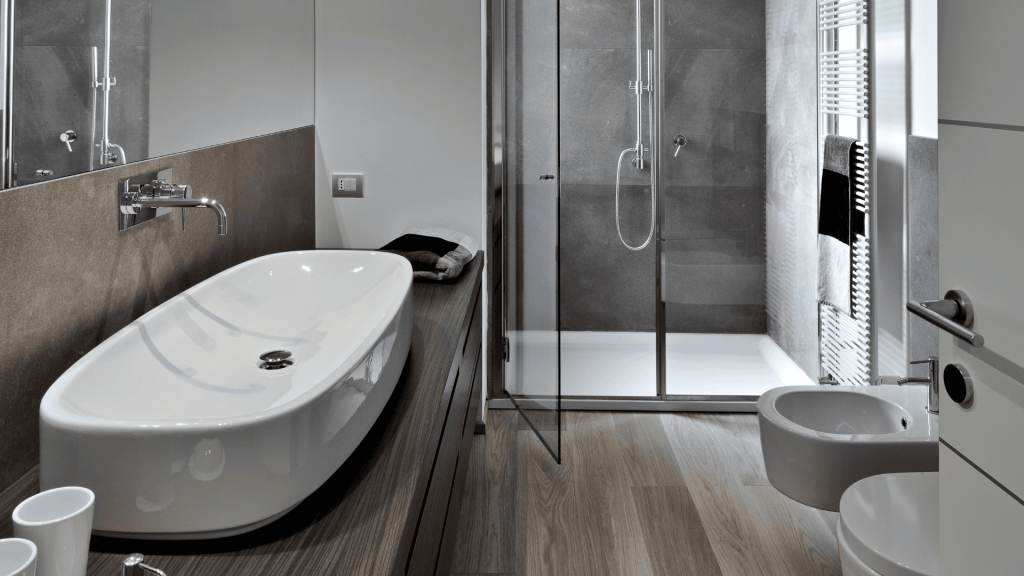
When you’re working with a modest bathroom but still want real storage and a comfortable sink, a 30 inch bathroom vanity often hits the sweet spot. It’s wider than a powder-room cabinet, yet not so bulky that it steals your walkway. The challenge is getting the details right—clearances, plumbing, storage layout, height, and sink type—so the vanity feels effortless day to day instead of cramped or fussy.

Why 30 Inches Works So Well
Thirty inches gives you enough surface for soap, a toothbrush cup, and a small tray, plus room for functional storage below. In many homes, it’s the largest size that still fits between a tub and a door swing without turning the morning routine into a shuffle. Compared with 24-inch cabinets, you gain a more generous bowl and real drawers; compared with 36-inch units, you keep the room feeling open and easy to clean.
The Layout Essentials
- Depth: Most bathroom cabinets sit around 20–21 inches deep. If your room is narrow, look for a 19–20 inch depth to ease the pathway; if you’ve got space, a full 21 inches maximizes drawers.
- Clearance: Plan for about 30 inches of clear floor in front of the vanity so doors and drawers open without knee collisions.
- Door swings: Check how the bathroom door and shower door interact with your chosen vanity width and pull hardware.
Choosing the Right Storage Pattern
At 30 inches, storage design matters more than style names. The smartest interiors blend quick-access drawers up top with deeper storage below.
- Top drawers: Shallow, full-width drawers tame daily clutter—razors, skincare, chargers—so counters stay clear and easier to wipe down.
- Middle storage: One deep drawer or two medium drawers keep bottles upright. Dividers prevent the “falling hair dryer” effect.
- Cabinet bay: If plumbing is centered and you want maximum flexibility, doors with interior pull-outs work well.
Hardware is a quiet hero here. Full-extension, soft-close slides make a compact vanity feel larger because you can see the back without unloading the front.
Sink and Counter Choices That Fit 30 Inches
A common frustration is picking a sink that eats the entire top. A simple rule: leave 4–5 inches of counter on each side of the bowl. That usually lands you in the 17–19 inch wide sink range. For depth, 11–13 inches is comfortable without crowding the cabinet front.
- Undermount sinks make wipe-downs easy and keep the deck looking clean.
- Integrated tops reduce a seam and are forgiving in busy bathrooms.
- Vessel bowls can work if you want a shorter cabinet to reach comfort height—but remember to subtract vessel height from the overall target so the rim isn’t awkwardly high.
Height and Everyday Ergonomics
“Comfort height” (around 36 inches) suits most adults, especially in a primary bath. If younger kids use the space daily, 32–34 inches often feels more natural. For vessel sinks, calculate counter height minus bowl height so the final rim lands roughly where you’d expect a regular sink to be.
Construction That Survives a Steamy Room
Moisture is the real enemy. Good construction and finish turn a nice vanity into a durable one.
- Box (carcass): Furniture-grade plywood holds screws, resists sag, and handles humidity well when edges are sealed.
- Faces (doors/drawers): Solid wood brings warmth and can be touched up; paint-grade MDF delivers crisp profiles if all edges are carefully sealed.
- Back and cutouts: The unseen edges—plumbing notches, sink cutouts, underside of rails—should be sealed before install. A thin, neat silicone bead under the front counter lip acts like a micro “drip rail” that stops water from wicking under the finish.
Freestanding vs. Floating (Wall-Mounted)
A 30-inch unit looks great both ways.
- Freestanding is forgiving on imperfect floors and hides plumbing elegantly.
- Floating opens floor area visually and makes mopping easy, but requires solid wall blocking and careful rough-in so trap and shutoffs don’t peek below the cabinet.
The Drawer–Plumbing Truce
Top drawers and P-traps want the same real estate. Two simple moves prevent conflict:
- Specify a U-notched top drawer that clears the trap path.
- During rough-in, set shutoff valves slightly lower and wider so drawers glide without snagging.
Rigid drain parts look cleaner and maintain slope better than accordion flex hoses, which tend to sag and steal drawer space.
Quick Comparison Table: 24″ vs. 30″ vs. 36″
| Feature | 24″ Vanity | 30″ Vanity | 36″ Vanity |
| Counter space | Minimal essentials | Comfortable for daily tray + soap | Generous, easy to stage |
| Sink size | Compact bowl | Standard bowl (17–19″ wide) | Larger or offset bowl options |
| Storage pattern | Often one drawer + door | Two drawers + door or three drawers | Multiple deep drawers possible |
| Room fit | Great for tight powder rooms | Ideal for small/medium baths | Better for primary baths |
| Visual weight | Light, can look “slim” | Balanced—doesn’t crowd | Substantial, can dominate |
A Clear, No-Regret Plan (Numbered)
- Measure the pathway. Confirm you’ll keep about 30 inches of clear floor in front of the vanity and that doors/drawers won’t collide with trim.
- Pick the depth. Choose 19–21 inches based on hallway feel; if the room is narrow, depth reduction improves circulation more than shaving width.
- Mark rough-ins. Note trap height and shutoff locations. If they crowd the centerline, plan a notched top drawer or adjust valve positions.
- Choose a sink to preserve deck. Target 4–5 inches of counter on each side; avoid bowls that hog the top.
- Decide mount style early. Floating needs blocking and careful tile drilling; freestanding tolerates imperfect walls and floors.
- Lock in height for users. Adults only: near 36 inches. Shared family bath: 32–34 inches (or add a discreet step solution).
- Plan interior organization. Use dividers and full-extension slides so items don’t migrate to the back.
- Seal the unseen. Prime/paint raw cuts, back edges, and sink openings before install; run that thin silicone bead under the front counter edge.
- Dry-fit plumbing. Use rigid parts, maintain slope, and check drawer travel with valves open and closed.
- Let it cure. Give caulk and adhesives their full cure before regular splashes—rushing this step shortens finish life.
Finishes and Cleaning That Go the Distance
Film-build finishes (like high-quality enamels or catalyzed coatings) shrug off daily splashes if they’re continuous. Penetrating wood finishes look rich but need periodic care. Whatever you choose, avoid harsh abrasives; they dull the sheen and open the door to moisture. A weekly habit of wiping the front counter edge prevents the slow “cloudy line” that forms when water repeatedly wicks under a seam.
Making a 30-Inch Vanity Feel Visually Larger
Three small design moves create a calm, roomy impression:
- Lighter fronts, darker floor: Gentle contrast separates the cabinet from the floor, making the footprint read smaller.
- Long vertical pulls: They emphasize height and help narrow faces feel tailored.
- One mirror, generous width: A mirror just wider than the cabinet softens side boundaries and bounces light across the room.
When a 30-Inch Vanity Is the Right Call
Choose 30 inches when you want a real everyday sink, functional drawers, and a top that holds more than a toothbrush holder—but you still need the room to feel open. It’s the “do-most-things-well” size: easy to live with, easy to clean, and flexible across guest, kids’, and even compact primary baths.
Handy Size Reference (for shopping and rough-in)
| Item | Target Range | Practical Tip |
| Vanity width | 30″ | Check trim, door swing, and towel bar spacing |
| Depth | 19″–21″ | Narrow rooms benefit more from shaving depth than width |
| Height | 32″–36″ | Subtract vessel height if using a vessel bowl |
| Sink width | 17″–19″ | Leaves 4–5″ of deck at each side for daily items |
| Clear floor | ~30″ | Keeps knees, drawers, and traffic happy |
Bottom Line
A 30-inch vanity is big enough to behave like real furniture but compact enough to keep a small bath feeling open. Focus on the path in front, a sink that preserves counter space, drawer/plumbing cooperation, and sealed edges that resist slow moisture creep. Do those things, and your vanity won’t just fit—it will feel effortless every single day.

Himani Verma is a seasoned content writer and SEO expert, with experience in digital media. She has held various senior writing positions at enterprises like CloudTDMS (Synthetic Data Factory), Barrownz Group, and ATZA. Himani has also been Editorial Writer at Hindustan Time, a leading Indian English language news platform. She excels in content creation, proofreading, and editing, ensuring that every piece is polished and impactful. Her expertise in crafting SEO-friendly content for multiple verticals of businesses, including technology, healthcare, finance, sports, innovation, and more.








