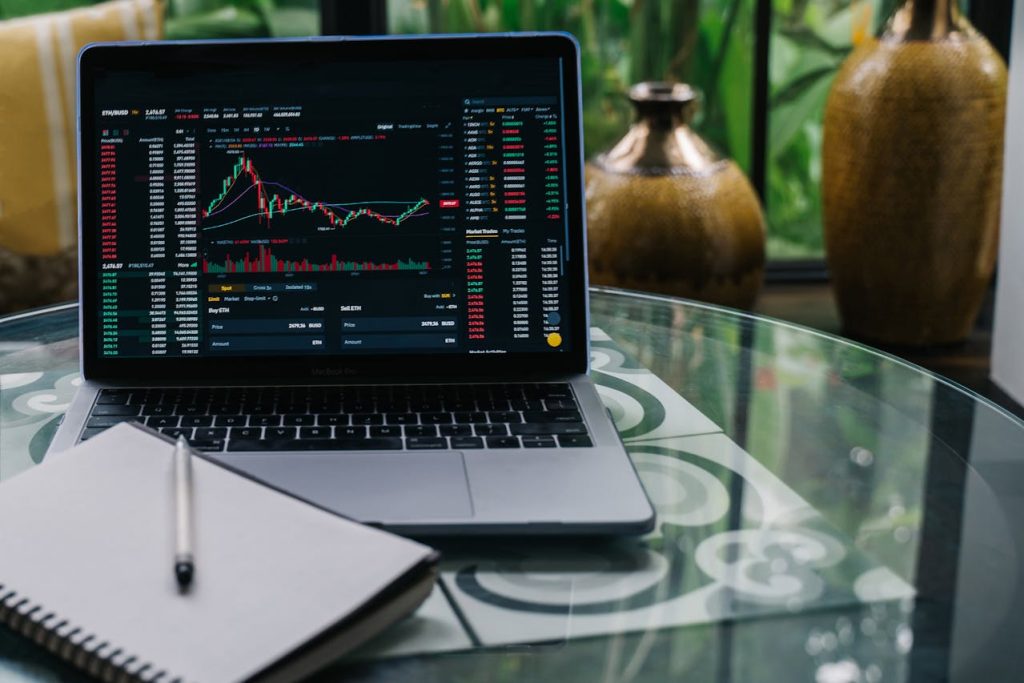
In prop trading, most account failures don’t come from a single bad trade. They come from too many trades made under the wrong conditions.
Trade frequency: How often a trader enters the market plays a far bigger role in long-term survival than most traders realize. While beginners often believe that trading more creates more opportunity, professional traders understand the opposite: selectivity protects capital.
Inside funded accounts, controlling trade frequency is one of the most reliable ways to remain funded over time.
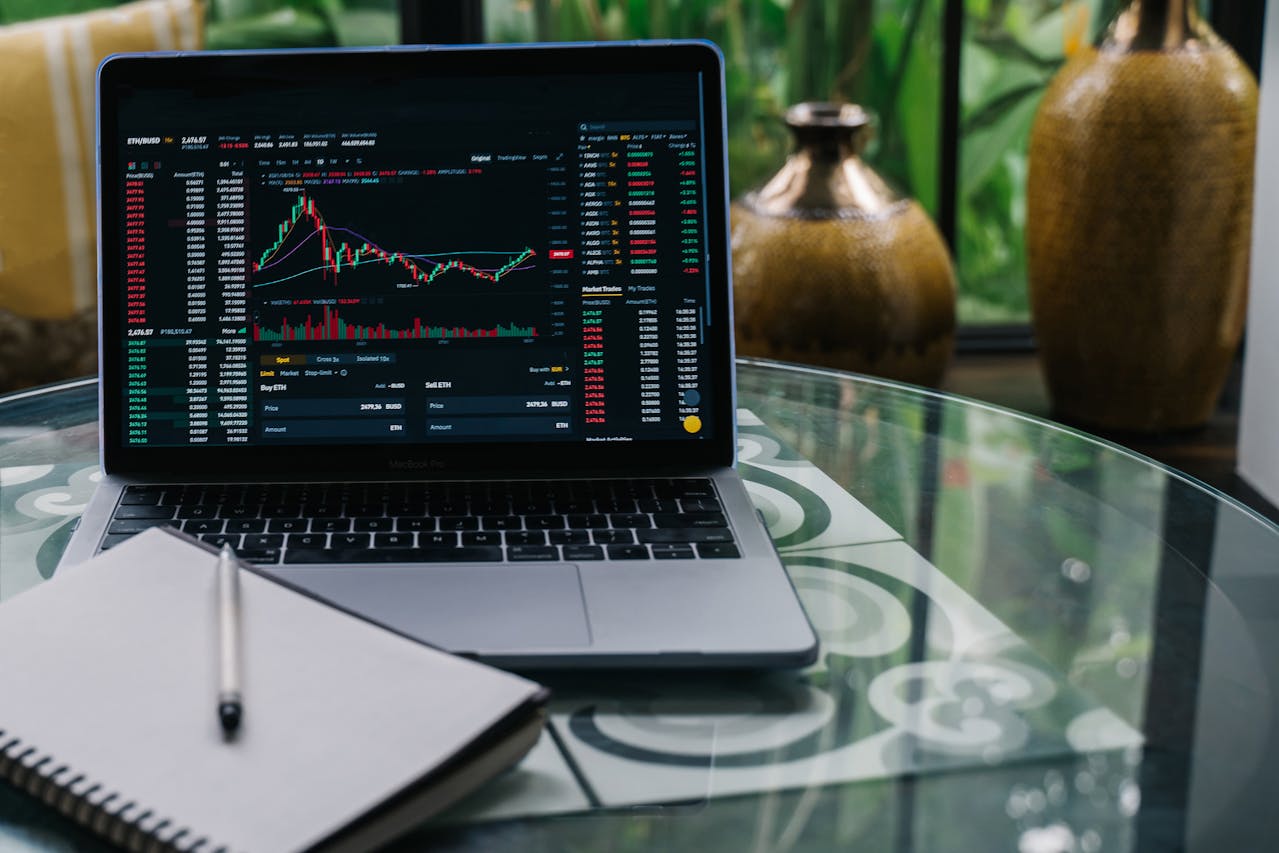
Why Overtrading Is the Silent Account Killer
Overtrading rarely looks reckless at first. It often starts with:
- Taking “almost good” setups
- Trading out of boredom
- Entering during low-quality market conditions
- Trying to recover a small loss quickly
Each individual trade may seem harmless, but together they increase exposure, emotional fatigue, and the chance of rule violations.
In funded environments, where drawdown limits are strict, excessive frequency compounds risk far faster than most traders expect.
Professional Traders Trade Less, Not More
Professional prop traders do not measure productivity by the number of trades taken. They measure it by:
- Quality of setups
- Risk taken per decision
- Alignment with market conditions
Many consistently funded traders average only a handful of trades per week. Their edge comes from waiting, not reacting.
This approach is reinforced in structured programs like one-step prop trading challenges, where patience and risk preservation matter more than fast progression.
Trade Frequency and Emotional Control
Every trade carries emotional weight. The more trades taken, the greater the psychological load.
High trade frequency often leads to:
- Impulse entries
- Reduced patience
- Lower execution quality
- Emotional decision-making
By limiting frequency, traders reduce emotional noise. Fewer decisions mean clearer judgment, better execution, and stronger rule adherence, all essential for long-term survival.
Market Conditions Don’t Always Deserve Your Capital
Markets move through phases:
- Trending
- Ranging
- Choppy
- Low-liquidity
Professional traders understand that not every phase is tradable. When conditions don’t match their strategy, they stand aside.
Reducing trade frequency during poor conditions is not inactivity, it’s capital protection. This mindset is central to maintaining funded status across different market cycles.
Frequency vs Consistency in Funded Accounts
Prop firms value consistency far more than activity. Taking fewer, higher-quality trades produces:
- Smoother equity curves
- Lower drawdown volatility
- Fewer rule breaches
This is why many successful traders focus on behavioral discipline rather than constant market engagement. Resources that emphasize building trading discipline and confidence often highlight selective participation as a core habit of profitable traders.
How Professionals Control Trade Frequency
Experienced traders use simple but effective controls, such as:
- Maximum trades per day or week
- Mandatory breaks after losses
- Session-based trading windows
- Predefined “no-trade” conditions
These rules prevent emotional spirals and keep decision-making objective.
Fewer Trades, Longer Survival
In prop trading, survival is success.
Traders who limit frequency give themselves:
- More margin for error
- Better emotional stability
- Higher probability of long-term payouts
Those who trade constantly often burn through drawdown limits without realizing how quickly exposure adds up.
Final Thoughts
Trade frequency is not a sign of skill, restraint is.
Professional traders survive inside prop firms because they trade only when conditions justify the risk. By reducing unnecessary trades, they protect capital, preserve discipline, and extend their funded lifespan.
In the long run, it’s not about how often you trade, it’s about how long you stay funded.

Peyman Khosravani is a global blockchain and digital transformation expert with a passion for marketing, futuristic ideas, analytics insights, startup businesses, and effective communications. He has extensive experience in blockchain and DeFi projects and is committed to using technology to bring justice and fairness to society and promote freedom. Peyman has worked with international organizations to improve digital transformation strategies and data-gathering strategies that help identify customer touchpoints and sources of data that tell the story of what is happening. With his expertise in blockchain, digital transformation, marketing, analytics insights, startup businesses, and effective communications, Peyman is dedicated to helping businesses succeed in the digital age. He believes that technology can be used as a tool for positive change in the world.