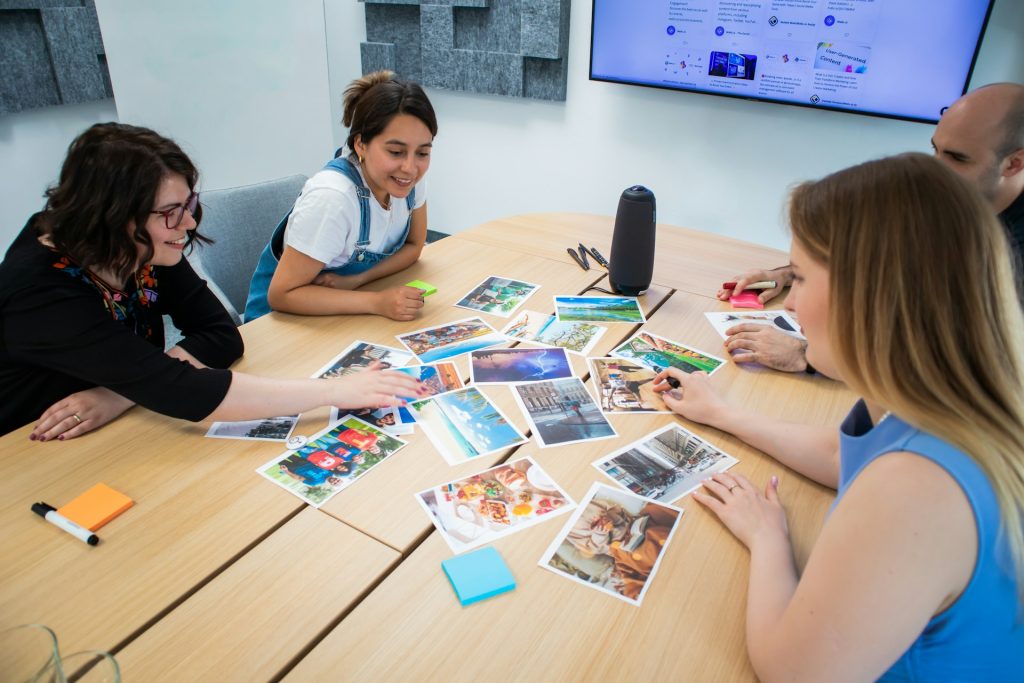
Every thriving organization relies on strong collaboration, clear communication, and mutual trust among employees. Team-building fosters these qualities, transforming a group of individuals into a cohesive unit that works toward shared goals. Companies that invest in their teams cultivate loyalty, creativity, and resilience, which all contribute to long-term success.

Why Team-Building Matters in Modern Workplaces
Team-building strengthens relationships across departments and job levels. It helps employees understand each other’s working styles, motivations, and strengths. When people connect beyond their professional roles, communication becomes smoother and problem-solving more effective.
Modern workplaces face unique challenges, including remote collaboration and cross-functional coordination. Without intentional connection, misunderstandings and disengagement can slow productivity. Structured activities create shared experiences that bridge these gaps and promote unity.
Companies that emphasize teamwork nurture positive environments where individuals feel valued and supported. When employees experience this sense of belonging, they tend to stay longer and perform better.
Building Trust and Open Communication
Trust forms the foundation of any successful team. When employees trust one another, they share ideas freely, take responsibility, and handle challenges constructively. Team-building activities promote transparency and help participants learn to rely on their peers.
Games, workshops, and collaborative exercises reveal strengths that might not surface in routine work. Leaders gain insight into how their teams function under pressure or within creative settings. This awareness supports more effective delegation and collaboration.
Healthy communication nurtures respect and reduces conflict. Open dialogue prevents small issues from growing into major problems. Through consistent team-building, employees practice listening actively and expressing themselves clearly.
Fostering Creativity and Problem-Solving
Creativity flourishes when individuals feel comfortable sharing unconventional ideas. Team-building encourages brainstorming and collaboration in relaxed environments, away from day-to-day stress. Employees gain confidence in contributing suggestions and experimenting with new approaches.
Engaging in shared challenges enhances collective problem-solving skills. Outdoor retreats, workshops, or strategy games simulate real-world situations that demand teamwork and quick thinking. These experiences translate into practical workplace improvements once employees return to their roles.
Incorporating fun and excitement builds energy and motivation. For instance, those who are planning exciting Sydney activities for coworkers create opportunities for bonding outside the office. These events energize teams and strengthen relationships that improve workplace cooperation.
When teams collaborate creatively, they develop adaptive thinking that supports innovation. This mindset allows organizations to stay agile in changing markets and competitive industries.
Developing Leadership and Accountability
Team-building helps identify potential leaders within an organization. Activities that require decision-making and coordination highlight who can guide others under pressure. Recognizing these traits helps managers nurture leadership potential early.
Collaborative exercises also promote accountability. When employees share a goal, they recognize how their individual contributions affect overall results. This awareness strengthens responsibility and commitment to shared success.
Leadership within teams grows stronger when authority and respect come from trust, not position. Team-building experiences promote this dynamic, teaching individuals to value collaboration rather than hierarchy.
Strengthening Company Culture
A positive culture attracts talent and improves retention. Team-building reinforces core values and demonstrates that management prioritizes employee well-being. Shared experiences remind teams of their common mission and align their efforts.
Celebrations, volunteer days, and collaborative projects allow employees to connect in meaningful ways. These activities foster empathy and reinforce the organization’s commitment to both community and purpose.
When culture thrives, employees naturally reflect company values in their work. A unified team drives consistent performance and projects a strong brand identity to clients and partners.
Improving Adaptability and Resilience
Organizations face unexpected challenges that test both structure and morale. Teams that practice collaboration adapt more effectively to new circumstances. Team-building develops flexibility by encouraging members to handle different roles and problem-solving scenarios.
Activities that involve creative thinking or time-sensitive challenges improve mental agility. Employees learn to stay calm and resourceful when facing uncertainty. These skills prove valuable during company transitions, project pivots, or market shifts.
Resilient teams recover faster from setbacks. When employees support one another, morale remains stable, and confidence grows. This shared resilience reduces stress and strengthens overall performance.
Encouraging Cross-Department Collaboration
Departments often function independently, leading to a limited understanding of how each contributes to organizational goals. Cross-department team-building breaks down these barriers. Employees learn how various roles interconnect and support the larger mission.
Activities that mix employees from different areas encourage new perspectives. For instance, a marketing team might gain insight from engineering colleagues on product functionality. These exchanges inspire innovative solutions that benefit the entire company.
Cross-functional bonding creates mutual respect and appreciation. This cooperation improves project efficiency, as teams communicate faster and resolve challenges together.

Team-building transforms individual talent into collective achievement. Organizations that commit to strengthening their teams cultivate trust, innovation, and unity. These values translate directly into business success, reinforcing stability and encouraging progress. Through collaboration, shared purpose, and open communication, every employee contributes to an environment where excellence thrives.

A dad of 3 kids and a keen writer covering a range of topics such as Internet marketing, SEO and more! When not writing, he’s found behind a drum kit.