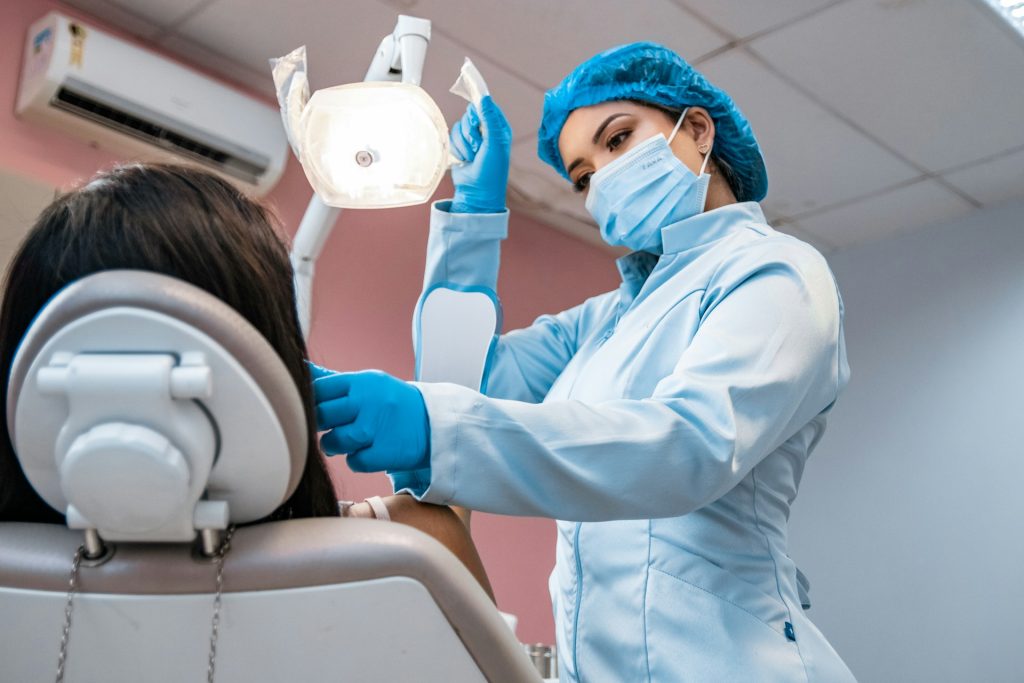
Teeth show up in almost every workplace interaction, in person or on video, today. They sit at the center of a smile, clear speech, and confidence on camera.
In a busy week, many employees spend hours talking to coworkers, clients, or customers, and the mouth is part of that first impression.
When dental problems flare, work can feel heavier. Pain, bad breath, or embarrassment can change how a person speaks up, networks, and handles pressure. Small worries can steal attention without any explanation.
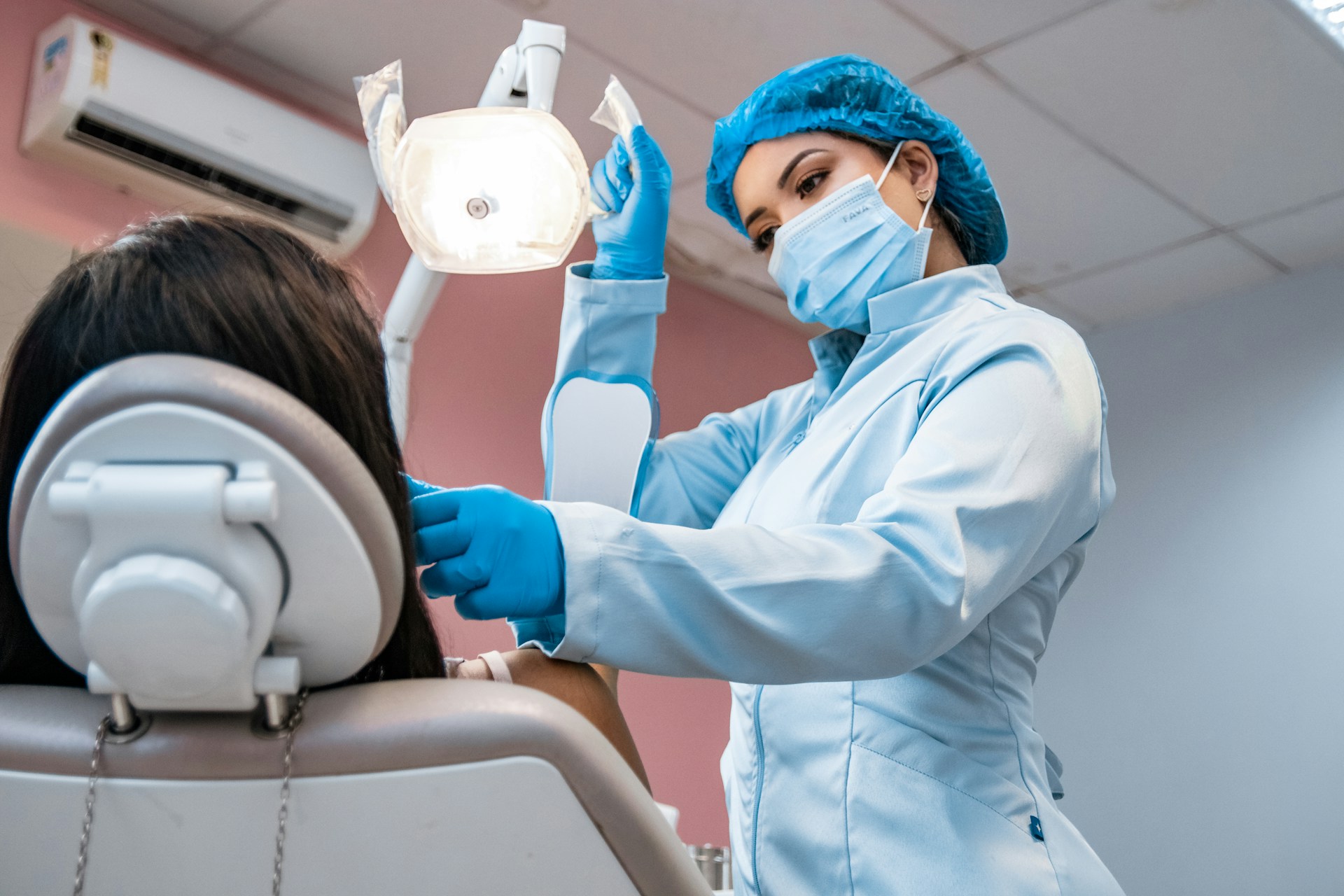
First Impressions Start With A Smile
First impressions form fast in interviews, onboarding, and client meetings. A relaxed smile can make a voice sound warmer and body language less guarded.
A Center for Health Journalism report noted that over 1 in 4 low-income people said the appearance of their teeth can hurt their chances of being interviewed for a job.
That fear can lead to covering the mouth, avoiding photos, or skipping events where new contacts are made. In leadership roles, that discomfort can make tough talks feel harder.
Small Daily Habits That Protect Your Professional Image
Career progress often comes from routines that repeat. Two minutes of gentle brushing, cleaning between teeth, and rinsing after meals can keep a mouth feeling “clean enough” during long days.
Different toothpastes aim at different goals, like sensitivity relief or cavity defense. When someone asks which remineralizer works best, the answer often tracks sensitivity, cavity history, and routine consistency. Pair that choice with a soft brush and light pressure, since scrubbing can irritate gums.
A few desk-friendly habits can help:
- Drink water after coffee or lunch to clear acids and food bits
- Keep floss picks or interdental brushes in a bag for quick cleanups
- Choose sugar-free gum after meals when brushing is not realistic
- Save sugary drinks for mealtimes instead of constant sipping
Night care matters, since saliva drops during sleep. If dry mouth is common on waking, start with water and avoid aggressive brushing first thing. Small changes can make mornings feel less stressful.
Dental Pain Steals Focus At Work
Tooth pain does not stay in the background. It can pull attention from tasks, shorten patience, and make meetings feel longer than they should. In phone-heavy roles, pain can change pronunciation and pace during long calls and demos.
The CareQuest Foundation estimates that U.S. adults lose more than 243 million hours of work or school each year from oral health problems. That number reflects missed time, plus the hidden cost of trying to work through discomfort and poor sleep.
Minor issues can turn urgent at the worst time. A small chip, a loose filling, or gum swelling can land on a week packed with deadlines. Early checkups often mean shorter visits and fewer sudden call-outs.
Absenteeism And Presenteeism Add Up
Absence is visible, but reduced output is easier to miss. Presenteeism can look like slower writing, fewer ideas in meetings, or rushing through conversations to end them. The work is getting done, but the quality can slip.
A 2024 study indexed in DOAJ found oral health problems linked to both absenteeism and presenteeism, with 6.6% of participants reporting missed time and 8.9% reporting reduced productivity.
Those “off” days can pile up during busy seasons, then show up in deadlines, error rates, and performance feedback.
Presenteeism can affect teamwork. Short replies, fewer questions, or avoiding calls can look like disengagement. If the root issue is dental pain or embarrassment, resolving it can lift the whole day’s energy.
Navigating Stains, Breath, And Stress Habits
Coffee, tea, and dark berries can stain teeth, and dry mouth can raise the odds of bad breath. Stress can push habits like jaw clenching, nail biting, or frequent snacking, which can irritate teeth and gums over weeks.
The same stress can make routines slip, which adds to the problem. Breath is a quiet career issue, since coworkers rarely bring it up.
Tongue cleaning, flossing, and hydration often help more than strong mints, since mints can cover odor without removing the source. In long meetings, keeping water nearby and sipping between topics can help.
Building A Low-Friction Dental Care Plan
A plan works best when it is easy to follow. Schedule cleanings at times that are easier to protect, keep a small kit for travel, and pick products that feel fine to use. When the plan fits the schedule, it is easier to stick with it.
Money and access matter, so remove friction where possible. Set aside a small monthly amount for preventive visits, save the dentist’s number in contacts, and book the next visit before leaving the clinic.
Small steps like that can lower the chance of an emergency visit landing on a week packed with deadlines.
Dental health is not just about looks. It can shape energy, confidence, and consistency at work. A stable mouth can support calmer interviews, presentations, and tough conversations.
When teeth and gums feel steady, attention can stay on the message instead of pain or hiding a smile during a conversation.

A dad of 3 kids and a keen writer covering a range of topics such as Internet marketing, SEO and more! When not writing, he’s found behind a drum kit.