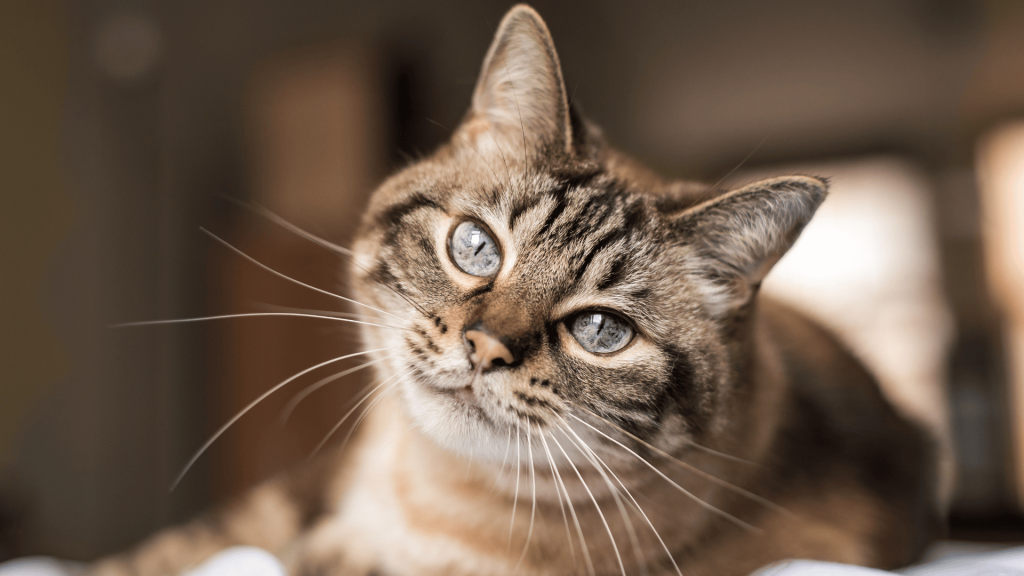
The pet care industry is changing fast. Technology is no longer limited to basic products like feeders or tracking devices. Today, pet owners have access to advanced tools that give real insights into their animals’ health and behavior. One of the most important developments in this space is DNA testing for pets. What was once used mainly for humans is now becoming a key part of modern pet care.
Pet tech is growing because owners want more control and understanding. People no longer see pets as just animals. They see them as family. This shift drives demand for better care, more accurate health information, and personalized solutions. DNA testing fits perfectly into this trend.
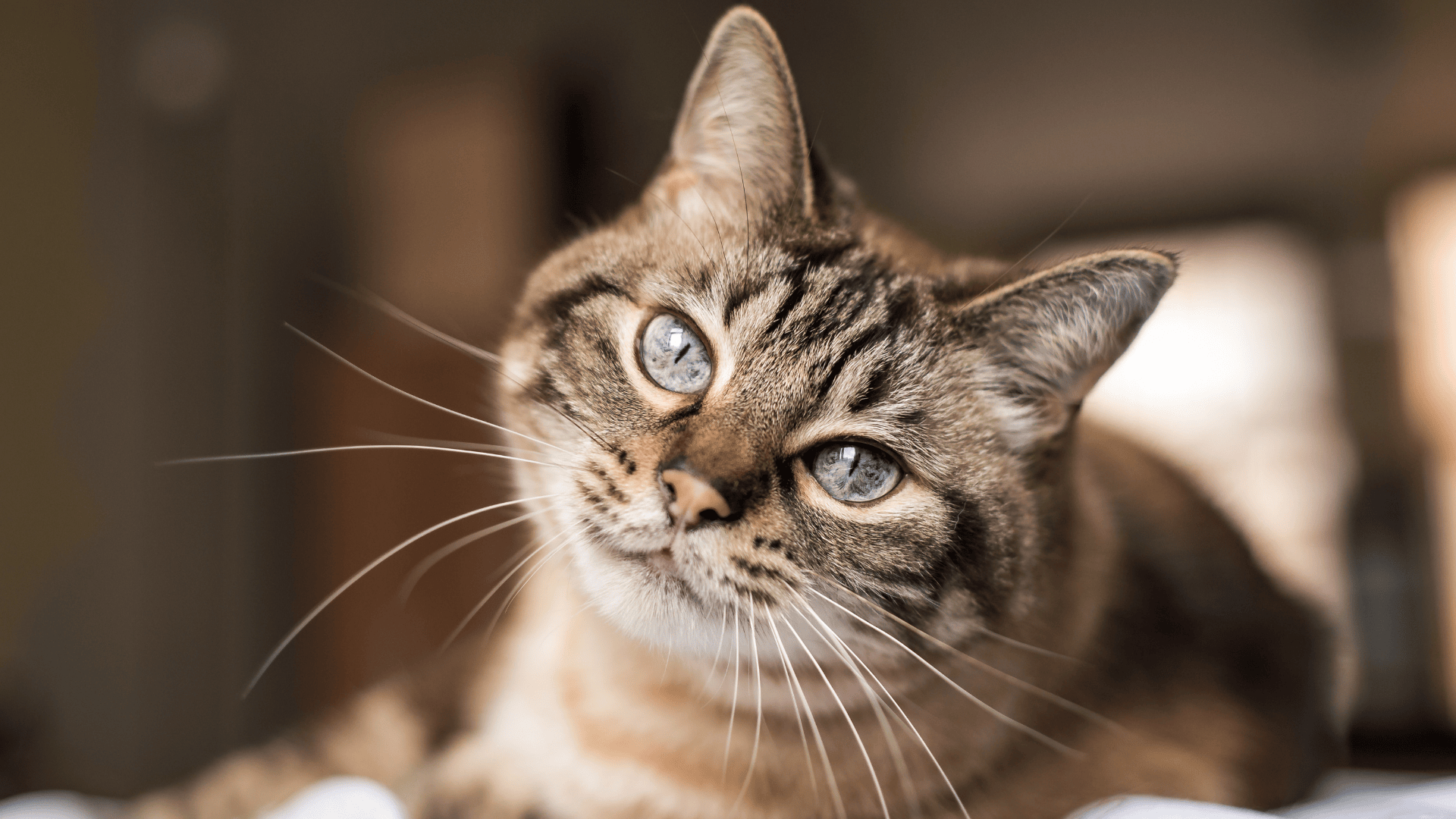
Why Pet Owners Are Turning to DNA Testing
Traditional vet visits provide useful information, but they have limits. Many conditions are hard to detect early. Some breeds are prone to specific diseases, but without knowledge of their genetic background, it’s difficult to predict risk.
DNA testing solves this problem. With a simple sample, usually taken from a pet’s cheek, owners can learn about breed composition, health risks, and even behavioral traits. This information helps them make better decisions.
For example, knowing that a dog or cat has a higher risk of certain diseases enables early monitoring. It also helps veterinarians create more targeted care plans. Instead of reacting to problems, owners can focus on prevention.
That’s why tools like cat DNA tests are becoming more popular. They offer a simple way to better understand a pet without complex procedures.
How DNA Testing Improves Everyday Pet Care
DNA insights are not just for medical use. They affect daily life as well. Understanding a pet’s genetic traits can explain behavior patterns. Some pets are naturally more active, while others are more cautious. Some may have a stronger hunting instinct or higher sensitivity to stress.
This knowledge helps owners adjust training methods and routines. It reduces frustration because behavior becomes easier to understand. Instead of guessing, decisions are based on real data.
Nutrition is another area where DNA testing makes a difference. Different pets process food differently. Some may be more prone to weight gain, while others may need more protein. With genetic insights, feeding plans can be more precise.
The Role of Data in the Pet Tech Industry
The growth of DNA testing is part of a larger shift toward data-driven pet care. Devices like smart collars and health trackers already collect information about activity levels and sleep patterns. DNA testing adds another layer by providing fixed biological data.
When combined, these tools create a full picture of a pet’s health. This is where the industry is heading. Instead of isolated tools, there is a move toward connected systems that offer continuous monitoring and insights.
For companies, this means developing platforms that integrate diverse data types. For users, it means better recommendations and easier decision-making.
Market Growth and Future Trends
The pet tech market continues to expand as technology becomes more accessible. DNA testing is no longer expensive or difficult to use. This makes it attractive to a wider audience.
As more people adopt these tools, market competition increases. Companies focus on improving accuracy, speed, and user experience. At the same time, awareness grows, and more pet owners start to see the value of genetic information.
In the future, DNA testing will likely become standard. It may be included in early veterinary care, especially for young pets. As databases grow, results will become even more precise.
Challenges and Considerations
Despite the benefits, there are still challenges. Not all pet owners fully understand how to use genetic information. Data needs to be explained clearly to avoid confusion.
Privacy and data security are also important. As more information is collected, companies must handle it responsibly. Trust plays a big role in adoption.
Accuracy is another factor. While DNA testing has improved, it is not perfect. Results should be used as guidance, not as absolute answers. Working with a veterinarian remains essential.
Conclusion
The pet tech industry is moving toward smarter, more personalized care. DNA testing is a key part of this shift. It gives owners deeper insight into their pets and helps them make better decisions every day.
As technology continues to evolve, the gap between human and pet healthcare is getting smaller. What used to be advanced science is now becoming a practical tool for everyday use. For pet owners, this means one thing: better care, based on real knowledge, not guesswork.

Pallavi Singal is the Vice President of Content at ztudium, where she leads innovative content strategies and oversees the development of high-impact editorial initiatives. With a strong background in digital media and a passion for storytelling, Pallavi plays a pivotal role in scaling the content operations for ztudium’s platforms, including Businessabc, Citiesabc, and IntelligentHQ, Wisdomia.ai, MStores, and many others. Her expertise spans content creation, SEO, and digital marketing, driving engagement and growth across multiple channels. Pallavi’s work is characterised by a keen insight into emerging trends in business, technologies like AI, blockchain, metaverse and others, and society, making her a trusted voice in the industry.