Picture a car from twenty years ago. You bought it. You fueled it. That was pretty much the end of the transaction. Today, driving a car off the lot is just the beginning of the financial story. The real money now flows long after the initial sale.
Connected services are fueling a quiet economic revolution in the auto industry. They are turning one-time buyers into long-term subscribers. This shift is not just about cool tech. It is about building a powerful, high-margin business model for the modern age.
The Subscription Engine
Car companies face a tough reality. Margins on building and selling physical vehicles are famously thin. Making a car is expensive. Convincing someone to pay a premium for it is even harder. This is where connectivity changes the game. It allows automakers to start a new relationship. Pioneering services like OnStar showed the way. They proved drivers would pay a monthly fee for safety and convenience.
This creates a fantastic revenue stream. The money rolls in predictably, quarter after quarter. For a company like General Motors, this is no small change. They reported nearly $5 billion in deferred revenue just from software and services recently. That is money already in the bank for future years.
The High-Margin Dream
Here is the real magic for automakers. Selling a car might bring a profit margin of just a few percent. In contrast, digital services are proving to be incredibly lucrative. Once the software is developed, the cost of delivering it to millions of cars is very low. Industry reports highlight that these services can deliver stunning gross margins of 70% or even higher.
That is a financial performance most traditional manufacturing divisions can only dream of. It is a primary reason every major automaker is rushing to build its own digital ecosystem. They are not just selling transportation anymore. They are selling a software experience.
Your Car, The Data Factory
Every modern connected car is basically a rolling data center. Its sensors constantly gather information. They track driving habits, locations, and vehicle health. This raw data is incredibly valuable. It can be transformed into entirely new products. For example, this data enables usage-based insurance models. Drivers with safe habits can get lower premiums.
For automakers, this data helps predict when a car will need maintenance. They can then proactively suggest service at a certified dealer. This turns random repairs into scheduled, predictable revenue. It also makes other industries, like insurance and retail, potential customers for this vehicle data.
The “Wallet on Wheels”
The connected car is evolving into a direct point of sale. Imagine paying for fuel, parking, or a coffee drive-through directly from your dashboard. This is no longer science fiction. Partnerships between automakers and retailers are making it a reality. When your car handles the payment, it creates a seamless user experience.
More importantly, it gives the automaker a small slice of every transaction. This transforms the vehicle from a product into a powerful marketplace. Your car becomes a “wallet on wheels,” generating micro-transactions throughout its life.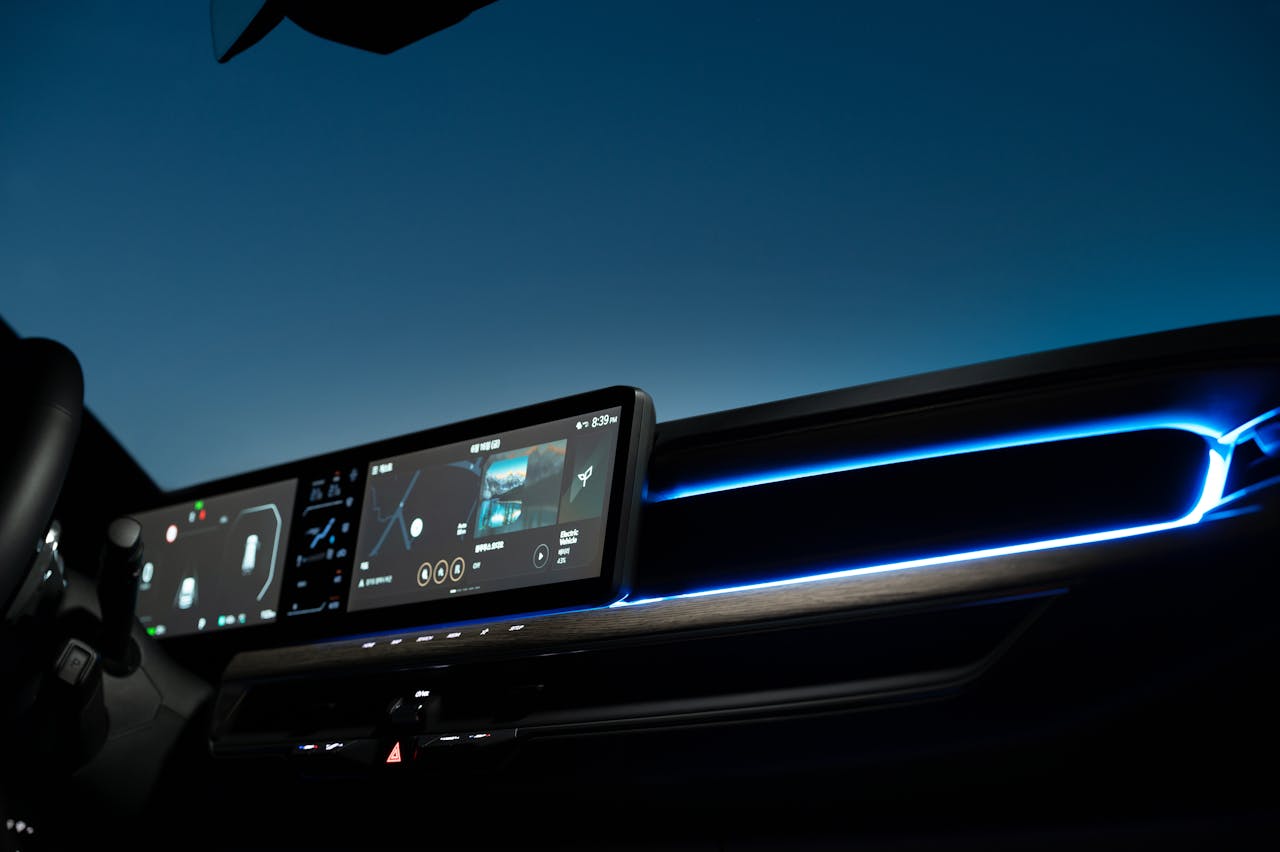
Navigating the Roadblocks
This new economy is not without its speed bumps. Convincing people to pay for subscriptions remains a major hurdle. Many drivers wonder why they should pay monthly for features that feel like they should be standard. Another major obstacle is worries about data security and privacy. People are rightfully wary about who can access the detailed information their car collects.
Automakers must build trust by being transparent and offering clear value. The path forward likely involves “freemium” models. Basic connectivity might be free, while advanced features require a subscription.
What’s on the Horizon?
The economic incentives are simply too compelling to ignore. As vehicles become more like smartphones—powered by software and regular updates—this revenue model will only grow. The race is on to see which automaker can build the most compelling and sticky digital world for their drivers.
The goal is to create an ecosystem so useful that leaving it feels like a loss. The business of building cars is being fundamentally rewritten. The future belongs to those who master not just metal and motors, but also megabytes and monthly subscriptions.

Peyman Khosravani is a global blockchain and digital transformation expert with a passion for marketing, futuristic ideas, analytics insights, startup businesses, and effective communications. He has extensive experience in blockchain and DeFi projects and is committed to using technology to bring justice and fairness to society and promote freedom. Peyman has worked with international organizations to improve digital transformation strategies and data-gathering strategies that help identify customer touchpoints and sources of data that tell the story of what is happening. With his expertise in blockchain, digital transformation, marketing, analytics insights, startup businesses, and effective communications, Peyman is dedicated to helping businesses succeed in the digital age. He believes that technology can be used as a tool for positive change in the world.