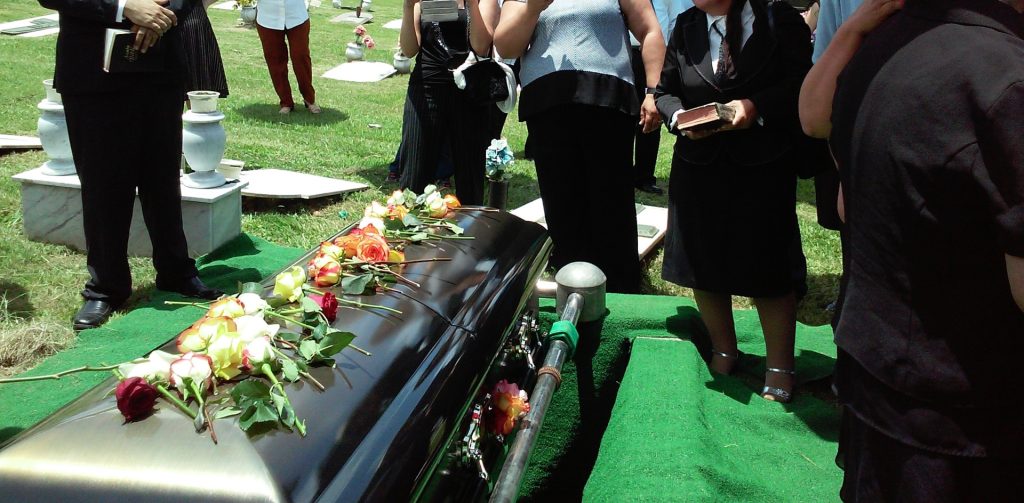
Grief is one of the most profound and personal emotional experiences people can go through. It often follows the loss of a loved one, and the journey through grief can be complicated, unique, and nonlinear. While no two individuals grieve the same way, the framework of stages can offer a map to help people understand what they are experiencing and reassure them that their reactions are valid.
This guide explores each commonly accepted stage of grief and how individuals and families can navigate them in a healthy and compassionate way.
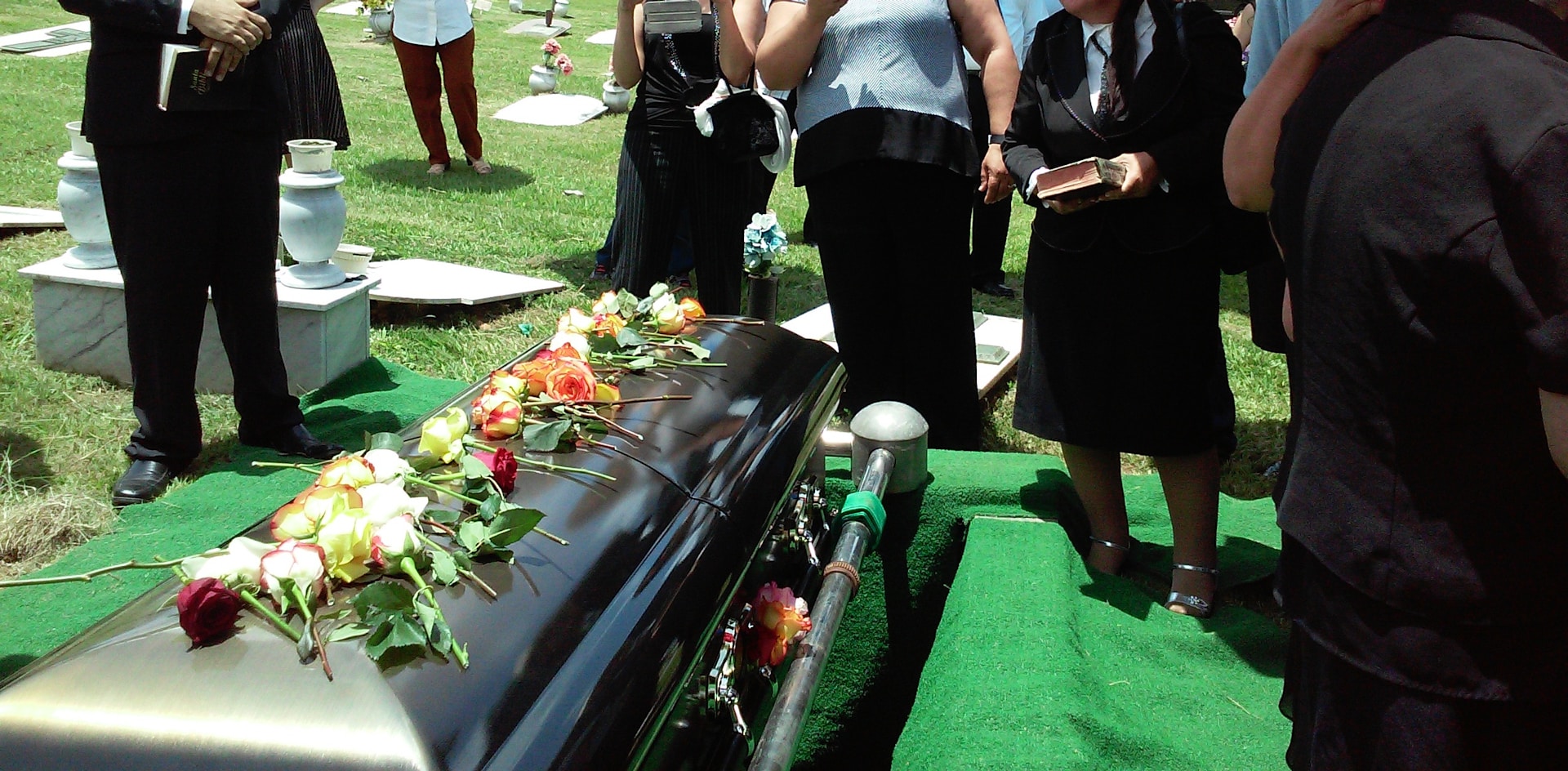
Denial: The First Shield
The first stage of grief is denial. It is the mind’s immediate response to shock. When a significant loss occurs, denial helps cushion the blow. People may find it difficult to accept the reality of the situation, often repeating statements like “this can’t be happening” or “I just saw them yesterday.”
Denial is not a sign of emotional weakness. Rather, it serves as an emotional buffer that allows a person to take in the loss more gradually. While someone is in denial, they may appear emotionally detached or numb, which is their way of processing the initial impact.
Anger: The Emotional Release
After denial begins to fade, reality starts to settle in, and intense emotions often follow. Anger is a common reaction, sometimes directed at others, situations, or even the person who has passed away. This anger may seem irrational, but it is rooted in the pain of loss.
For some, anger offers a temporary structure to grief. It brings energy in a time of emotional fatigue and allows for emotional expression when everything else feels uncertain. Being honest about these feelings without judgment can be an important part of healing.
Bargaining: The “What If” Phase
The third stage is bargaining. This is where the mind tries to regain control through “what if” and “if only” statements. People might imagine scenarios where the loss could have been prevented, even if they logically understand that those scenarios weren’t possible.
Bargaining is fueled by guilt and regret. It often reflects the desire to rewrite the past in order to avoid the pain of the present. Though this stage can be distressing, it shows that the individual is moving deeper into the emotional core of their grief.
Depression: A Deep Emotional Valley
Depression during grief is not the same as clinical depression, though the symptoms may appear similar. It often reflects the depth of loss and the understanding that life will not return to the way it was.
Sadness, withdrawal, sleep issues, and a loss of interest in daily activities can accompany this stage. Some people begin to isolate themselves or reflect more inwardly. While painful, this part of the process is natural and can even be a sign that the individual is coming to terms with the reality of the situation.
Reaching out for support during this time can make a significant difference. Speaking with a counselor, leaning on a trusted friend, or exploring grief support services such as those offered by Boza & Roel Funeral Home in Tampa and similar ones can provide comfort and reassurance during this emotionally heavy period. These services often connect people with resources tailored to both individual and family grief needs.
Acceptance: Adjusting to a New Normal
The final stage is acceptance. This does not mean being “over” the loss. Rather, it is about finding a way to live with it. Acceptance allows individuals to begin engaging with life again without the weight of denial, anger, or guilt dominating their day-to-day experience.
This stage might include honoring the memory of the person lost through personal rituals, legacy-building, or simply finding moments of peace. It means acknowledging the pain but no longer being controlled by it.
Acceptance brings with it a new sense of stability. Though life may look different, this stage offers a foundation upon which the grieving individual can rebuild.
Grief Is Not a Straight Line
It is important to understand that the stages of grief are not always experienced in order. People can move back and forth between them or even feel several stages at once. One day may bring clarity, and the next, confusion or sadness may return.
Grief is as individual as the people experiencing it. Cultural, personal, and spiritual beliefs influence how people process and express their emotions. No timeline or formula exists for moving through the loss of someone important.
Supporting Others Through Their Grief
Knowing how to support someone who is grieving can feel difficult. Offering presence is often more impactful than offering advice. Simple gestures such as listening, preparing a meal, or accompanying them to a support group can help more than words.
It’s also helpful to avoid minimizing their feelings. Statements like “they’re in a better place” or “everything happens for a reason” can unintentionally cause more pain. Instead, acknowledge their loss, offer empathy, and allow them to grieve in their own way.

Grief is a universal part of the human experience, yet it feels deeply personal to each individual. Understanding the stages can help you recognize the emotions and reactions that come with loss and remind you that healing is a gradual process. Whether you are going through grief yourself or supporting someone else, patience and compassion go a long way. It’s not about rushing to feel better, but learning to carry the loss with strength and purpose as life moves forward.