
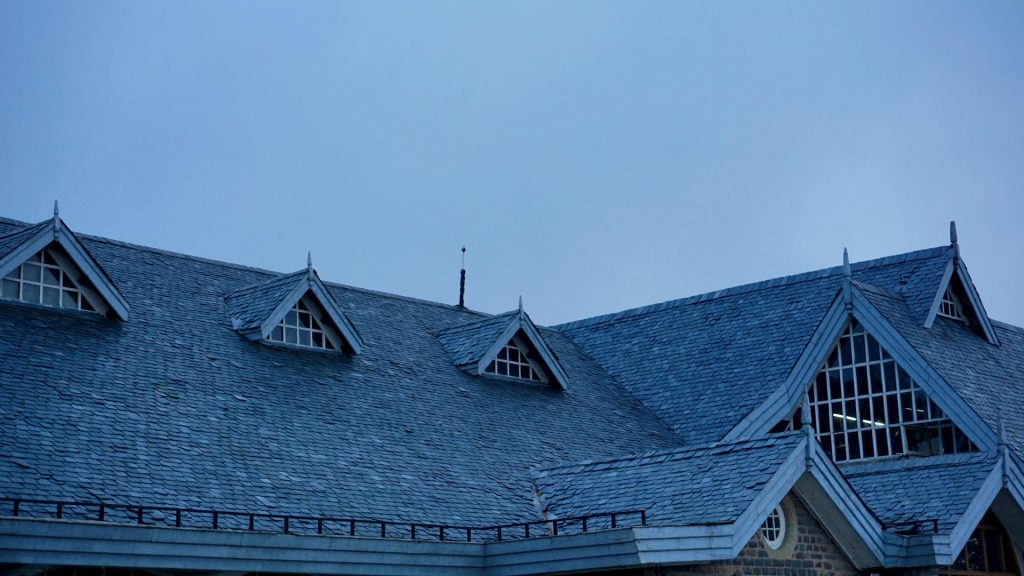
Energy efficiency is often viewed through the lens of appliances, insulation, or windows, but the condition of a roof is equally vital. A roof doesn’t just protect from the elements, it plays a major role in regulating indoor temperatures and influencing energy consumption. Neglected roofs with leaks, gaps, or deteriorating materials can make heating and cooling systems work harder, driving up utility costs. Timely roof repair safeguards the structure and translates into significant energy efficiency gains.
Why Timely Roof Repairs Matter
When roofs deteriorate, they allow air leakage, moisture buildup, and thermal inefficiency to creep into a property. Small issues such as missing shingles or damaged flashing can quickly escalate, creating larger vulnerabilities in the building’s envelope.
Addressing these concerns early prevents energy loss and reduces the strain on HVAC systems. For homeowners seeking reliable solutions, working with professionals experienced in roof repair in St. Petersburg ensures that repairs are done with climate-specific considerations in mind. Given Florida’s hot and humid conditions, proper sealing and material selection are crucial to minimizing heat transfer and preventing costly energy waste. Roof repairs in these regions protect against storms and optimize year-round comfort.
Sealing Air Leaks and Reducing Drafts
One of the most direct ways roof repairs improve efficiency is by eliminating air leaks. Cracks, gaps, and damaged seams often allow cooled or heated air to escape, leading to uneven indoor temperatures. This forces HVAC systems to cycle more frequently, increasing energy consumption. By resealing vulnerable areas and replacing damaged components, roofers restore the home’s airtight barrier.
The result is a more stable indoor climate, fewer drafts, and reduced reliance on mechanical systems. This repair-driven efficiency gain is noticeable in older homes where roofing systems may not have been maintained consistently.
Insulation and Reflectivity Improvements
Many roof repair projects involve reinforcing or upgrading insulation. Proper insulation is crucial to keeping conditioned air inside while blocking outdoor heat or cold. Roof repairs that address insulation gaps can significantly lower energy bills by reducing thermal transfer.
Modern reflective coatings and materials may be applied during repairs to deflect solar radiation. This “cool roof” effect is particularly valuable in warm climates, where unprotected roofs absorb heat and drive up cooling costs. Even small adjustments, such as adding reflective shingles or coatings, can create measurable energy savings.
Extending the Life of HVAC Systems
A poorly maintained roof places unnecessary strain on heating and cooling equipment. When conditioned air escapes and outside air infiltrates, HVAC systems must work harder to maintain consistent temperatures. This accelerates wear and tear, leading to higher maintenance costs and shorter system lifespans.
Timely roof repairs help HVAC systems operate more efficiently by reducing their workload. The benefits extend beyond energy savings, equipment lasts longer, and homeowners spend less on replacements and service calls. In this way, roof maintenance indirectly reduces energy and repair costs across multiple systems within the home.
Moisture Control and Indoor Air Quality
Leaks in a damaged roof often lead to excess moisture inside the home. This doesn’t just risk structural damage, it impacts indoor air quality. Moisture encourages mold and mildew growth, which can spread through HVAC systems and compromise efficiency. Air contaminated with spores requires more frequent filtration and cleaning, further increasing energy use.
Repairing roofs to eliminate leaks protects both efficiency and health. By maintaining a dry, secure environment, homeowners prevent hidden costs associated with energy waste and poor air quality. This reinforces the broader value of roof repairs as an energy-conscious investment.
Long-Term Financial Benefits
While roof repair may seem like an upfront expense, the long-term financial benefits are substantial. Energy savings accumulate, offsetting the initial cost of the project. In many cases, utility bill reductions are noticeable within months of completing repairs.
Homes with well-maintained and energy-efficient roofs often have higher resale values. Prospective buyers recognize the importance of a strong, efficient roof and are willing to pay more for a property that reduces long-term costs. In this sense, roof repair becomes both a functional improvement and a value-boosting strategy.
A Sustainable Choice
Energy efficiency isn’t just about saving money, it’s about reducing environmental impact. Homes that consume less energy contribute fewer greenhouse gas emissions, making roof repair an eco-friendly choice. By investing in repairs that improve insulation, reduce air leaks, and increase reflectivity, homeowners play a part in supporting broader sustainability goals.
Sustainable roofing choices, such as incorporating recycled materials or reflective coatings, further enhance this environmental contribution. Repair projects provide opportunities to integrate greener solutions without the need for a complete replacement.
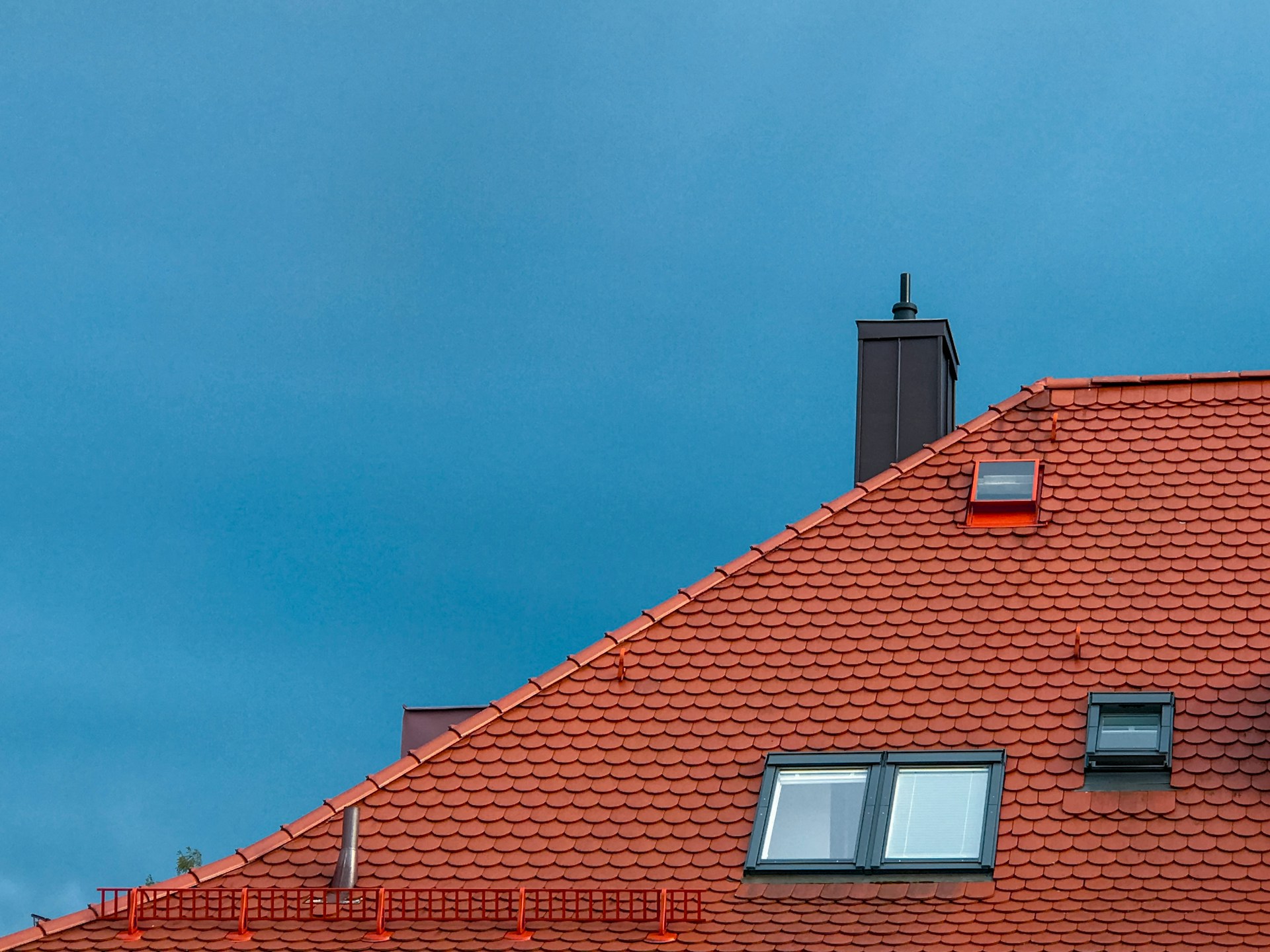
The connection between roof repair and energy efficiency gains is clear: maintaining a strong, airtight, and well-insulated roof directly reduces energy waste, lowers utility bills, and supports sustainable living. Timely repairs protect against structural damage and extend the life of HVAC systems, and improve indoor comfort. For homeowners in warm climates like St. Petersburg, partnering with experienced roofing professionals ensures repairs are both durable and energy-smart. Investing in roof repair is more than routine maintenance, it’s a strategic step toward long-term efficiency, financial savings, and environmental responsibility.









