
When disaster strikes, it can feel like everything is falling apart. Your home might be damaged, or your business could be struggling to stay afloat. The good news is, the Small Business Administration (SBA) offers disaster loans to help people and businesses get back on their feet. This guide breaks down how to apply for an sba disaster loan, what you’ll need, and what happens after you submit your application.
Key Takeaways
- SBA disaster loans are available for businesses, homeowners, and renters in declared disaster areas to help repair or replace damaged property and cover financial losses.
- Eligibility for an sba disaster loan depends on your location within a declared disaster area and the extent of damage or economic injury.
- Gathering all necessary financial records, business structure details, and documentation of property damage is vital before starting your application.
- The application process involves submitting your application and supporting documents online or in person, followed by SBA review and a decision.
- Accurate and complete information, along with proactive preparation, can help speed up the sba disaster loan processing and approval timeline.
Understanding SBA Disaster Loans
When disaster strikes, whether it’s a hurricane, flood, or wildfire, the financial aftermath can be overwhelming. The U.S. Small Business Administration (SBA) offers a lifeline through its disaster loan programs, designed to help individuals and businesses recover and rebuild. These loans are a direct form of assistance from the government, meaning you apply directly to the SBA, not through a bank or other third party. The goal is to provide low-interest, long-term financing to get things back on track.
What Are SBA Disaster Loans?
SBA disaster loans are a form of financial aid provided to those affected by declared disasters. They are intended to cover losses and damages that may not be fully addressed by insurance or other recovery programs. These loans are specifically for repairing or replacing damaged property and addressing immediate financial needs that arise from a disaster. It’s important to know that these are actual loans that need to be repaid according to the terms set by the SBA.
Types of Disaster Assistance
The SBA offers different types of disaster assistance, primarily categorized by the nature of the damage or economic impact:
- Business Physical Disaster Loans: These loans help businesses and private nonprofit organizations repair or replace damaged or destroyed physical assets. This can include buildings, machinery, inventory, and equipment. Agricultural enterprises, like farms and ranches, typically receive assistance through the U.S. Department of Agriculture (USDA) instead.
- Economic Injury Disaster Loans (EIDLs): EIDLs are designed to help small businesses, small agricultural cooperatives, and private nonprofits meet their ordinary and necessary operating expenses that they could not meet because of the disaster. These loans are for working capital needs to help the business stay in business during the disaster period.
- Homeowner and Renter Assistance: The SBA also provides loans to homeowners and renters to repair or replace damaged or destroyed real estate and personal property.
Eligibility for Disaster Relief
To be eligible for an SBA disaster loan, you must meet certain criteria. The primary requirement is that your business, non-profit organization, or residence must be located within a officially declared disaster area. The SBA maintains a tool to help you find declared disaster areas. Beyond location, eligibility also depends on the type of loan you’re applying for and your ability to repay. For instance, physical disaster loans are available to businesses of any size, while EIDLs are specifically for small businesses that can demonstrate significant economic injury and an inability to secure credit elsewhere. Startups and very new businesses can also apply for EIDLs, provided they can submit the necessary documentation showing viability, such as cash flow projections and business plans.
The SBA assesses each application individually, considering the extent of the damage, your financial situation, and your capacity to repay the loan. It’s vital to provide accurate and complete information throughout the application process to avoid unnecessary delays or complications.
Navigating the Application Process

Applying for an SBA disaster loan might seem a bit daunting, but breaking it down makes it much more manageable. The first step is figuring out if your area even qualifies for assistance. After that, it’s all about filling out the forms correctly and getting your documents in order.
Locating Declared Disaster Areas
Not every event triggers an SBA disaster declaration. These declarations are made by the President after a governor or tribal leader requests federal disaster assistance. You can check if your area has been declared a disaster zone by visiting the SBA’s website or by looking for official announcements from FEMA (Federal Emergency Management Agency). Knowing your area is declared a disaster zone is the very first hurdle to clear before you can even think about applying.
Completing the SBA Disaster Loan Application
This is where you’ll provide all the details about your business and the impact the disaster has had. The application is typically done online through the SBA’s disaster loan portal. You’ll need to be ready to provide information about your business’s finances, ownership, and the extent of the damage. It’s a good idea to have your financial records handy before you start. The SBA also has a dedicated helpline you can call if you get stuck on a particular question while filling out the application. They’re there to help, so don’t hesitate to use that resource.
Submitting Your Application and Supporting Documents
Once you’ve filled out the application, you’ll need to upload supporting documents. This can include things like tax returns, bank statements, and proof of the damage. The portal usually allows you to upload these directly. If you can’t upload certain documents, the SBA might offer alternative submission methods like email or fax, but uploading is generally the quickest way. Make sure to keep copies of everything you submit for your own records. It’s also important to include your name, business name, and application number on any documents you send in, especially if you’re emailing them.
The SBA aims to process applications efficiently, but accuracy and completeness are key. Providing all requested information upfront can significantly speed up the review process and help you get the funds you need sooner.
Essential Documentation for Your Application
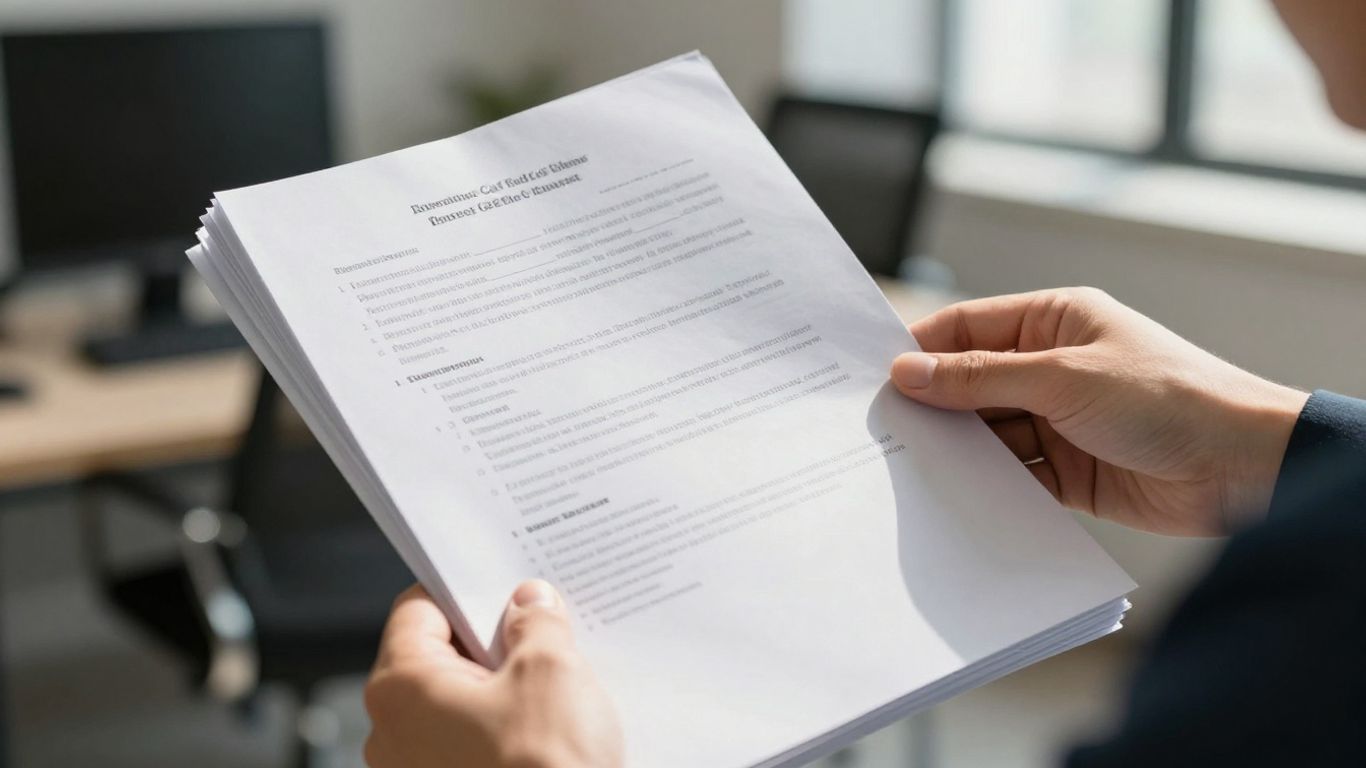
Getting your SBA disaster loan application ready means gathering a bunch of paperwork. Think of it like preparing for a big exam – the more organized you are, the smoother it goes. The SBA needs to see a clear picture of your business and your financial situation, especially after a disaster has hit.
Gathering Financial Records
This is where you show the SBA how your business operates financially. You’ll need to pull together records that detail your income and expenses. This often includes:
- Profit and Loss Statements: These show your business’s revenue, costs, and expenses over a specific period. They help the SBA understand your profitability.
- Balance Sheets: These provide a snapshot of your business’s assets, liabilities, and equity at a particular point in time. It’s like a financial check-up.
- Cash Flow Projections: Especially important if your business is new or has experienced significant changes, these documents estimate the money expected to come in and go out. The SBA Form 1368 can help with this, outlining monthly working capital needs.
- Tax Returns: You’ll likely need to provide copies of your most recent federal tax returns, both business and personal, particularly if you’re a sole proprietor.
Business Structure and Ownership Details
Who owns the business and how it’s set up matters. Be ready to provide:
- Business Formation Documents: This could be articles of incorporation, partnership agreements, or other legal documents that establish your business structure.
- Ownership Information: Details about all general partners, managers, and anyone holding a 20% or greater ownership stake in the business are required. This includes their personal financial statements (SBA Form 413).
- Company Profile Sheet: A summary of your business, including a contact list and formation records, can be very helpful.
Documenting Property Damage
If your loan application is for physical property damage, you’ll need to clearly document what was affected. This might involve:
- Photographs and Videos: Visual evidence of the damage to your buildings, equipment, or inventory is powerful. Make sure these are dated if possible.
- Repair Estimates: Get detailed estimates from contractors for the cost of repairs or replacement of damaged property.
- Insurance Information: Provide details about any insurance coverage you have for the damaged property, including policy numbers and claim status.
It’s really important to be thorough with all your documentation. Incomplete or inaccurate information is one of the main reasons disaster loan applications get held up. Double-checking everything before you submit can save you a lot of time and frustration down the road.
Remember, the SBA may request additional documents to verify specific aspects of your application. Keeping all your records organized and accessible will make this process much more manageable.
SBA Disaster Loan Processing and Approval
Once you’ve submitted your application and all the necessary paperwork, the SBA gets to work. This is where your application is carefully reviewed to determine if you qualify for assistance and how much funding you might receive. It’s a thorough process, so patience is key.
Loan Processing and Assessment
The SBA’s disaster loan team will begin by reviewing your submitted application and documents. They’ll look at your financial situation to figure out if you can repay the loan. This involves checking your credit history, income, and other financial details. They might reach out to you if they need more information or clarification on anything in your application. It’s important to respond promptly to any requests to keep the process moving.
Determining Loan Amounts
After assessing your application and financial standing, the SBA will decide on the maximum loan amount you’re eligible for. This amount is based on the extent of the damage you experienced and your demonstrated ability to repay the loan. The goal is to provide enough funding to help you recover, but it’s also tied to your financial capacity.
Receiving Your Decision
Eventually, you’ll get a notification from the SBA about whether your loan application has been approved or denied. If it’s approved, this notification will include important details about the loan terms, such as the interest rate, repayment period, and any specific conditions you need to be aware of. If denied, they usually provide a reason, which might help if you decide to appeal or reapply later.
Be prepared for the possibility that the loan amount offered might not cover every single expense. Disaster loans are intended to help with recovery, but they are not always a full replacement for all losses. It’s wise to have a clear understanding of what the loan will and will not cover.
Here’s a general idea of what happens next:
- Review: The SBA team examines your application and supporting documents.
- Verification: They may contact you for additional information or to clarify details.
- Calculation: Your eligibility and the potential loan amount are determined.
- Notification: You receive a decision on your application, including loan terms if approved.
Finalizing Your SBA Disaster Loan
So, you’ve made it through the application and the SBA has given you the green light. That’s fantastic news! But there are still a few more steps before the funds are actually in your hands. Think of it like getting the keys to your new house – you’ve signed the papers, but you still need to do the final walk-through and get the actual keys.
Loan Closing Procedures
This is where things get official. The SBA will send you a loan authorization, which is basically a contract detailing all the terms and conditions of your approved loan. You’ll need to review this carefully. It includes things like the loan amount, interest rate, repayment period, and any special conditions. Once you’re happy with everything, you’ll sign the loan agreement and other necessary paperwork. It’s a good idea to have someone review these documents with you, especially if you’re not familiar with loan agreements. Keep copies of everything for your records – seriously, don’t skip this part.
Disbursement of Funds
After you’ve signed all the closing documents, the SBA will get to work on sending you the money. How you receive the funds can depend on the type of loan and your preference. It might be a direct deposit into your business bank account, or they might issue a check. The SBA usually disburses the funds in one lump sum, but sometimes it can be in installments, especially if it’s for rebuilding and they want to see progress.
Understanding Repayment Terms
Now, let’s talk about paying it back. These are loans, after all, and they do need to be repaid. The SBA typically offers a grace period, often 12 months, from the date you sign the loan agreement. During this time, you don’t have to make any principal payments, but interest usually accrues. It’s important to know when your first payment is due and what your monthly payment will be. The SBA will provide a clear repayment schedule. Making your payments on time is really important to keep your loan in good standing and avoid any negative impacts on your credit.
- Review your repayment schedule carefully.
- Set up reminders for payment due dates.
- Understand the interest rate and how it might change (if applicable).
It’s easy to get caught up in the relief of getting the loan approved, but remember that this is a financial obligation. Planning for repayment from the start will save you a lot of headaches down the road.
Streamlining Your Disaster Loan Approval
Getting your SBA disaster loan approved quickly often comes down to how well you prepare and present your application. Think of it like getting ready for a big exam; the more organized you are beforehand, the smoother the process will be. The SBA processes thousands of these applications, and a well-prepared one stands out.
Tips for Faster Processing
To help speed things along, focus on accuracy and completeness from the start. Here are a few key strategies:
- Have a Centralized Document Hub: Before disaster strikes, or as soon as you can, gather and organize all your important business and personal financial documents. This includes tax returns, bank statements, proof of ownership, and any existing loan documents. Keeping these in a secure, accessible digital or physical location can save immense time.
- Understand Your Business Structure: Be crystal clear on your business’s legal structure (sole proprietorship, partnership, LLC, corporation) and have the formation documents ready. This information is vital for the SBA’s assessment.
- Know Your Numbers: Maintain up-to-date financial records. Using accounting software can help prevent common errors like misstating liabilities or providing unrealistic revenue projections. The SBA needs to see a clear picture of your business’s financial health.
Avoiding Common Application Delays
Many applications get held up for similar reasons. Being aware of these can help you sidestep them:
- Incomplete Information: Missing signatures, unaddressed questions, or forgotten attachments are frequent culprits. Double-check every section of the application before submitting.
- Discrepancies in Records: Ensure that the information you provide on the SBA application matches your tax returns and other official documents exactly. Any mismatch, even small ones, can trigger a review and cause delays.
- Unclear Damage Assessment: While you need to document your losses, vague descriptions or estimates without supporting evidence can slow down the process. Be specific about the damage and the cost of repairs or replacement.
The Importance of Accurate Information
Accuracy isn’t just about avoiding delays; it’s about building trust with the SBA. They need to be confident in the information you provide to make a sound lending decision. Providing truthful and precise details about your business’s financial standing, ownership, and the extent of the disaster’s impact is paramount.
When filling out your application, remember that all disaster loans require a personal guarantee. This means you’ll need to disclose all personal assets and liabilities, including those you might share with a spouse or have co-signed for. Failing to include these can lead to significant issues down the line.
By taking a proactive and meticulous approach to your SBA disaster loan application, you significantly increase your chances of a smoother and faster approval process, getting you the funds you need to recover more quickly.
Moving Forward After Disaster
Getting through a disaster is tough, and figuring out financial help can feel like another hurdle. The SBA disaster loan program is there to help businesses and homeowners get back on their feet. We’ve walked through what these loans are, who can get them, and how to put together your application. Remember to gather all your paperwork carefully and be as clear as possible when you apply. While the process might take some time, understanding the steps can make it less stressful. Keep your copies of everything you send in, and don’t hesitate to reach out to the SBA if you have questions. With the right preparation and patience, you can access the support needed to rebuild and recover.
Frequently Asked Questions
What exactly is an SBA disaster loan?
Think of an SBA disaster loan as a helping hand from the government after a big disaster, like a hurricane or flood. It’s a loan designed specifically to help small businesses and homeowners fix up damaged property or cover essential costs when things get tough. It’s different from the special COVID-19 EIDL loans.
Who can get an SBA disaster loan?
Generally, you need to be a small business, a private nonprofit organization, a homeowner, or even a renter who has been hit hard by a disaster. The most important thing is that the disaster must have happened in an officially declared disaster area, and it has to have caused real damage or financial loss.
What kind of damage can these loans cover?
These loans can help you repair or replace damaged buildings, equipment, or even inventory. If you’re a homeowner or renter, they can help fix up your home. They can also help businesses cover their regular operating costs, like payroll, so they can stay afloat while they recover.
How do I find out if my area is a declared disaster zone?
The SBA has a special tool on its website where you can search for declared disaster areas. You just need to know your state or county. If your area has been declared a disaster zone, you’ll see it there, which is the first step to applying for help.
What’s the most important thing to have ready when applying?
Gathering all your important papers is key! This includes financial records like tax returns and bank statements, details about your business’s structure and owners, and clear proof of the damage the disaster caused. The more organized and complete your information is, the smoother the process will be.
How long does it take to get approved for a disaster loan?
The SBA tries to make decisions quickly, often within about three weeks, but it can sometimes take longer. Things like having all your documents in order, providing accurate information, and how busy the SBA is can affect the timing. Having everything ready upfront really helps speed things up.

Peyman Khosravani is a global blockchain and digital transformation expert with a passion for marketing, futuristic ideas, analytics insights, startup businesses, and effective communications. He has extensive experience in blockchain and DeFi projects and is committed to using technology to bring justice and fairness to society and promote freedom. Peyman has worked with international organizations to improve digital transformation strategies and data-gathering strategies that help identify customer touchpoints and sources of data that tell the story of what is happening. With his expertise in blockchain, digital transformation, marketing, analytics insights, startup businesses, and effective communications, Peyman is dedicated to helping businesses succeed in the digital age. He believes that technology can be used as a tool for positive change in the world.