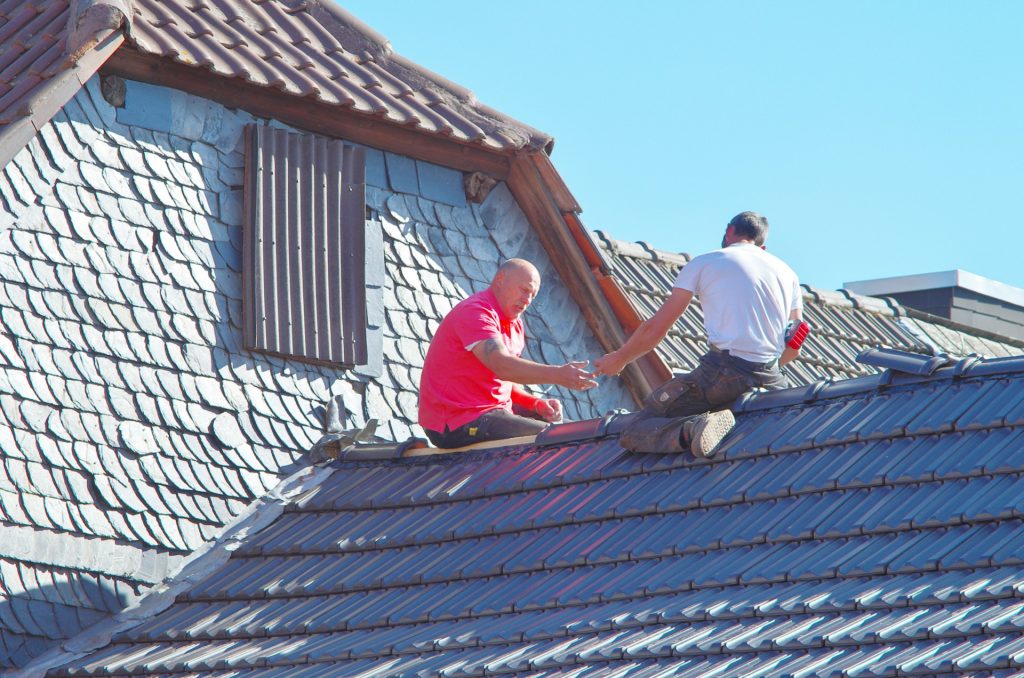
Maintaining safety on commercial roofing sites is paramount, not just for compliance with regulations but for safeguarding the lives of workers and ensuring the project proceeds without hitches. Roofing is inherently dangerous due to the heights involved and the equipment utilized. Proper safety protocols can significantly diminish accidents, injuries, and fatalities, creating a work environment where tasks can be completed efficiently and effectively.
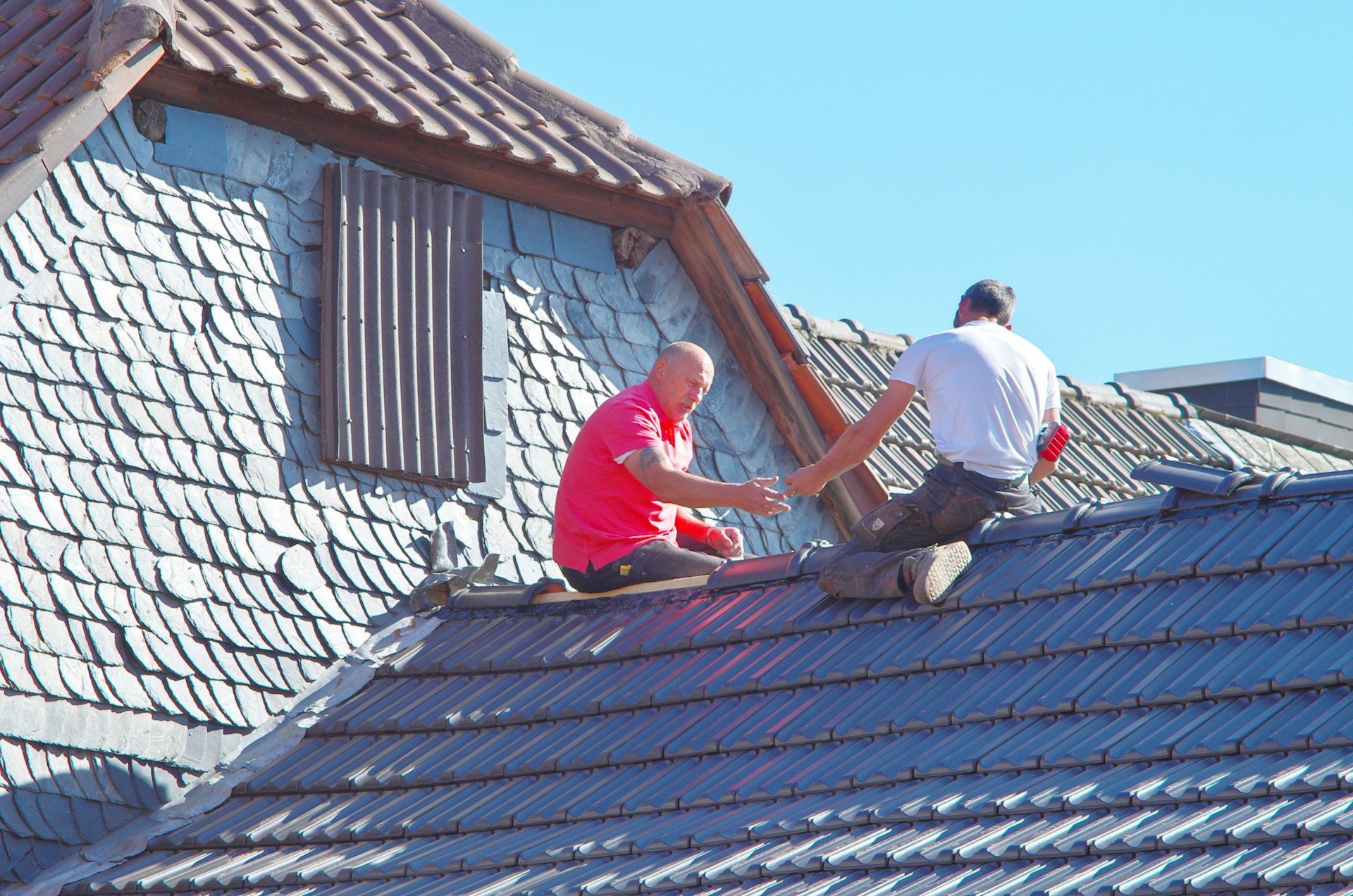
Understanding Common Hazards
A comprehensive knowledge of potential hazards is the first step in ensuring safety on roofing sites. Workers face risks related to falls, equipment failures, weather conditions, and material handling. Falls are the leading cause of injuries in the roofing industry, prompting strict adherence to safety measures like the use of personal fall protection systems. Workers should wear harnesses, helmets, and non-slip footwear at all times. Training on how to spot and manage hazards is vital. These practices should be imbibed and reinforced during daily briefings.
Another notable hazard stems from equipment misuse. Tools such as ladders, scaffolding, and power tools must be handled with care. Lack of proper training in the operation of these tools can lead to severe injuries. Ensuring that every worker is well-versed in the safe use of all equipment is important. Engaging local commercial roof services can play a critical role in this aspect, offering training and oversight to reinforce safe practices. Roofing sites often expose workers to environmental risks such as extreme heat, high winds, or sudden rain, all of which can compromise stability and safety.
Handling hazardous materials, such as tar or certain adhesives, requires the use of protective gear to prevent burns or respiratory issues. Poor housekeeping, like leaving debris or unused tools scattered on the roof, increases the likelihood of trips and falls. Employers should implement strict protocols for site cleanliness and emergency response readiness.
Implementing Safety Training
Robust safety training programs are fundamental to equipping workers with the knowledge they need to navigate roofing tasks safely. Regular sessions should be held to cover topics from basic safety principles to the specific risks associated with each job site. Incorporating hands-on drills and scenario-based learning enhances the training experience, allowing workers to practice their response to emergencies.
Employers must continually assess the effectiveness of their training programs. Feedback from workers can reveal gaps in understanding or areas needing more focus. It’s vital to ensure that training materials stay updated to align with the most current safety regulations and industry practices. Businesses foster a culture of continuous learning in their employees, making safety a top concern.
Emergency Preparedness and Response Plans
Every commercial roofing project should have a clearly defined emergency preparedness and response plan. This document should outline the steps to take in case of accidents, severe weather, or other emergencies. Ensuring that all workers are familiar with the plan guarantees that, during a crisis, everyone knows how to react appropriately.
Drills should be conducted regularly to test the effectiveness of the plan. This reinforces the information and helps to identify areas for improvement. An effective emergency response goes beyond just actions, it includes communication protocols that ensure quick reporting of incidents to site managers. Employees may notify managers of problems in real time by establishing open channels of communication, preserving safety and order even during crises.
Utilizing Personal Protective Equipment (PPE)
Personal protective equipment is a vital element of safety protocols on roofing sites. All workers must wear appropriate PPE, including helmets, safety goggles, gloves, and harnesses. This equipment acts as a first line of defense against the various hazards encountered during roofing jobs.
The selection of PPE should be specific to the tasks being performed when grinding or cutting materials. Protective eyewear is vital to prevent injuries. Regular inspections of PPE must take place to ensure that gear is in good condition and capable of providing the protection required. Encouraging workers to take responsibility for their safety gear fosters a culture where safety is a shared priority.

Regular Site Inspections and Maintenance
Conducting regular site inspections is fundamental to maintaining a safe working environment. Designated safety officers should carry out these inspections frequently to identify potential hazards and ensure compliance with safety protocols. These inspections should include evaluations of scaffolding, ladders, and other equipment to verify they are in safe working condition.
Maintenance should not be neglected either. Ensuring that all tools and machinery are properly maintained extends their life and helps prevent accidents. Scheduling routine maintenance checks and keeping records of inspections and repairs can help create a safer atmosphere. Businesses may significantly lower the dangers involved with commercial roofing projects by giving site maintenance first priority.
Adherence to safety protocols on commercial roofing sites is important for preserving worker safety and ensuring project efficiency. By understanding hazards, implementing thorough training programs, preparing for emergencies, utilizing appropriate PPE, and maintaining regular site inspections, companies can create a safer work environment. Fostering a culture of safety will protect workers and contribute to the success and reputation of the business.