A roof is one of the most important components of any home, shielding the structure and its occupants from weather, moisture, and temperature fluctuations. Even the most durable roofs can develop leaks, cracks, or other issues that require attention. When problems arise, homeowners often face the choice between temporary fixes and long-term repairs. Understanding roof patch solutions equips homeowners to act quickly, prevent further damage, and maintain the integrity of their homes.
Quick Fixes for Emergencies
When a leak occurs, immediate action is crucial to prevent water damage to ceilings, walls, and insulation. Homeowners should know how to apply temporary solutions that protect the home until professional help arrives. One common approach is to use roofing tape or sealant designed for rapid application in wet or dry conditions.
These products provide a watertight barrier, keeping moisture out until a permanent repair is possible. Homeowners who need to fix that leak fast may rely on roofing tar or patching compounds. Applied directly over the affected area, these materials adhere to shingles or flashing, creating an instant shield against water intrusion. While these solutions are not substitutes for professional repairs, they buy valuable time and prevent small problems from escalating into major structural issues.
The Role of Roof Sealants
Sealants are a versatile tool for addressing minor roofing problems. Available in liquid, spray, or caulk form, they are often used to fill cracks, seal flashing around chimneys, or protect vulnerable seams. Sealants can extend the life of a roof by reinforcing weak areas and adding an extra layer of protection against the elements.
It’s important to recognize the limitations of sealants. They are best suited for small-scale repairs and preventive maintenance, not as a replacement for damaged shingles or worn-out roofing materials. Regular inspections help identify where sealants may be beneficial, ensuring they are applied proactively rather than in response to major leaks.
Patching Shingles the Right Way
Shingles are one of the most common roofing materials, and they are among the most likely to sustain damage from wind, hail, or heavy rain. Replacing damaged shingles is often the most effective long-term solution, but patching may be a suitable temporary fix. Patches can be made by cutting replacement shingle pieces to size and securing them with roofing cement.
This process restores the protective barrier of the roof while maintaining a uniform appearance. Poorly executed patches can create weak points that invite future problems. For this reason, shingle patching should be approached carefully, with attention to proper alignment and sealing.
Addressing Flat Roof Challenges
Flat roofs pose unique challenges, as water tends to pool rather than run off. Common patching solutions for flat roofs include rubberized patch kits or liquid-applied membranes. These materials create flexible, waterproof coatings that conform to the roof surface, sealing cracks and seams effectively.
Proper preparation is crucial for flat roof patches. Surfaces should be cleaned thoroughly to remove dirt, debris, and old sealant before applying a new patch. Neglecting preparation can cause premature failure, leaving the roof vulnerable to leaks once again.
Preventive Maintenance as a Patch Alternative
While patching provides immediate solutions, preventive maintenance often reduces the need for emergency repairs in the first place. Regular inspections after severe weather allow homeowners to identify and address vulnerabilities early. Cleaning gutters, trimming overhanging branches, and ensuring proper attic ventilation all contribute to a healthier, longer-lasting roof.
Some homeowners opt to apply reflective coatings or elastomeric membranes to their roofs as a form of preventive reinforcement. These coatings enhance durability and improve energy efficiency by reflecting sunlight and reducing heat absorption.
When to Call a Professional
Knowing how to apply a patch can save time and money in an emergency, but there are limits to what homeowners should attempt on their own. Complex repairs, structural issues, or repeated leaks signal the need for professional assessment. Roofing contractors bring the expertise, tools, and safety equipment necessary to diagnose and resolve underlying problems effectively.
Attempting major repairs without professional guidance can worsen damage or create hazards for the homeowner. By distinguishing between temporary patches and permanent solutions, homeowners protect both their property and their safety.
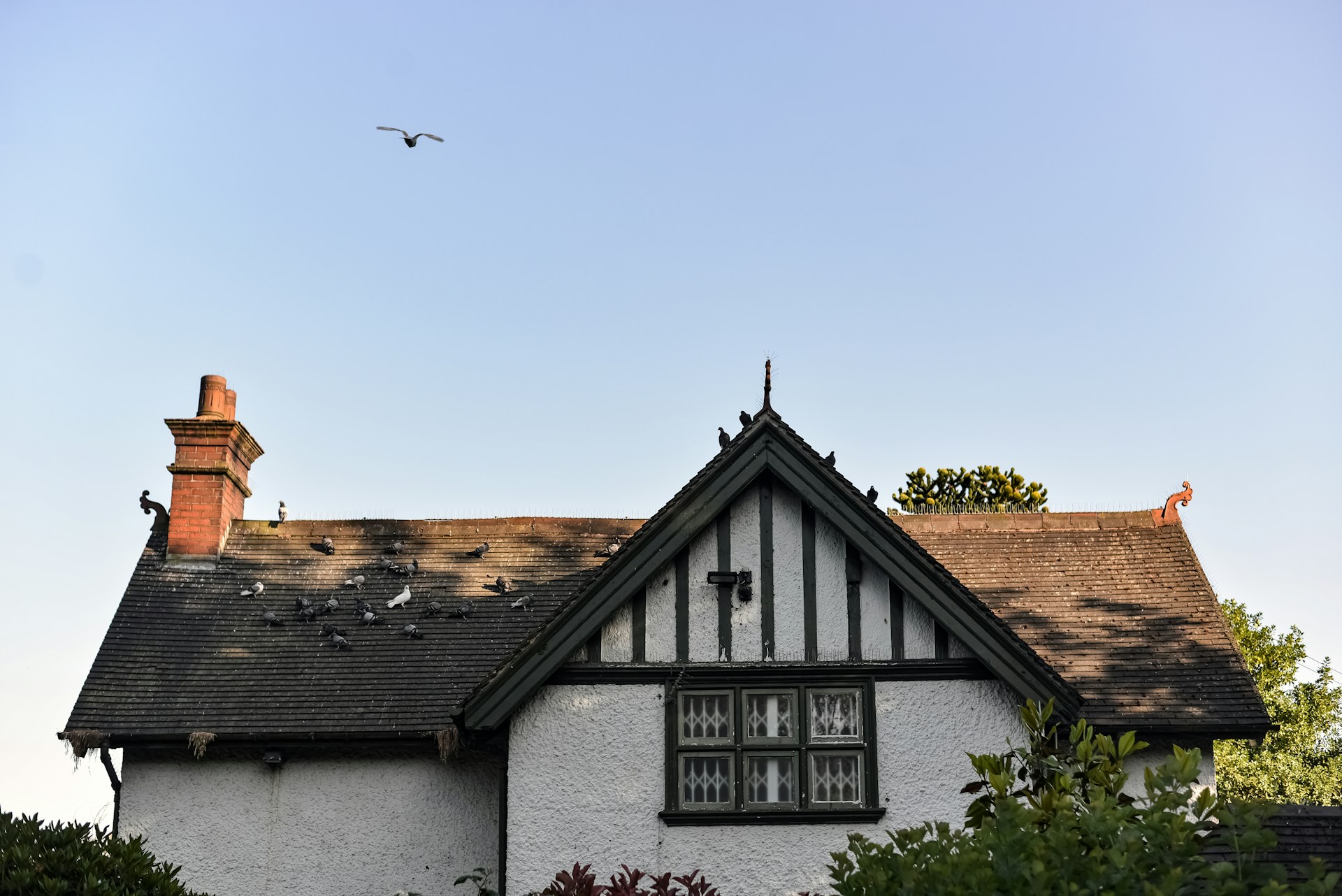
Roof patch solutions are valuable tools for homeowners who want to protect their investment and respond effectively to problems. From quick fixes like roofing tape and sealant to more specialized approaches for shingles and flat roofs, knowing the options available makes a significant difference in maintaining a secure home.
Temporary solutions help, but they should always be followed by professional repairs to ensure long-term reliability. By combining preventive maintenance with timely professional support, homeowners can extend the life of their roofs, reduce repair costs, and maintain peace of mind no matter the weather.