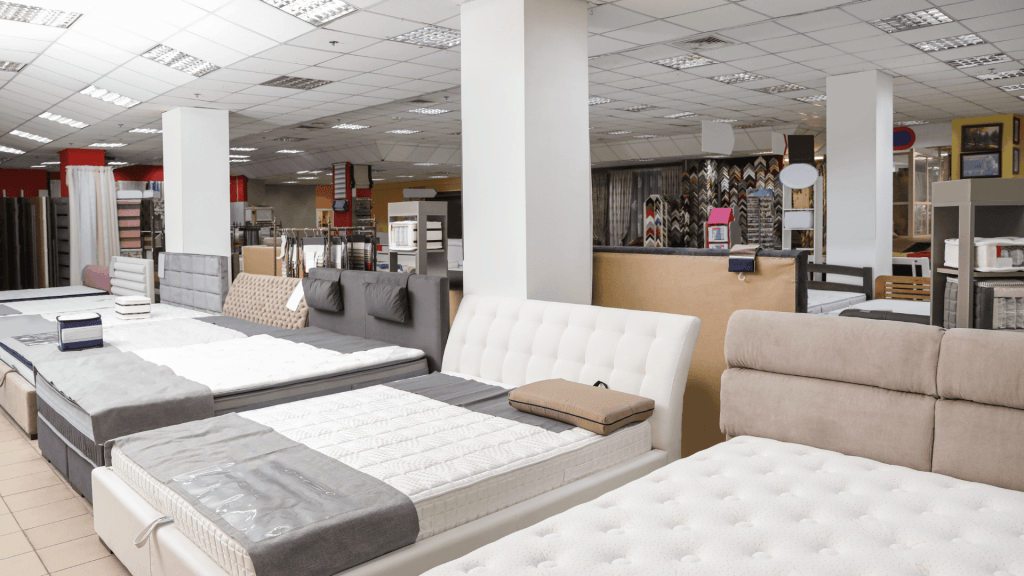
As capital continues to flow into diversified real estate and retail portfolios, fund managers are looking more closely at second-tier growth corridors outside of Australia’s major metros. One such region attracting attention is Queensland’s Sunshine Coast, where niche retail categories—such as bed stores Sunshine Coast—are quietly thriving. While the sector might appear peripheral, it reflects broader macroeconomic and investment trends worth dissecting.
Sunshine Coast: A Regional Growth Engine
With a population now exceeding 400,000 and a CAGR of 1.9%, the Sunshine Coast is undergoing a transformation from laid-back coastal hub to investment-grade economic zone. Key drivers include:
- Major infrastructure projects like the Sunshine Coast Airport Expansion and Maroochydore CBD development
- An influx of high-income interstate migrants post-COVID, boosting discretionary spending
- Growth in residential developments, particularly in Caloundra, Buderim, and Noosa
These trends are fueling a regional retail boom, including in durable goods categories such as mattresses, bedroom furniture, and sleep technology.
📈 Market Snapshot: Sunshine Coast Home Goods Retail
| Metric | Value | YoY Change |
| Retail occupancy rates (Sunshine Coast) | 98% | +1.2% |
| Avg. monthly footfall in major centres (e.g., Kawana, Maroochydore) | +12% | (vs. Brisbane +6%) |
| Regional bedding & furniture sales growth | +8.4% | (National avg: +4.9%) |
(Source: IBISWorld, Sunshine Coast Council, QLD Retail Index, 2025)
Why Bed Stores Matter to Investors
Though bed stores may seem like niche retail, they act as a barometer for several investable themes:
1. Housing-Linked Consumer Cycles
Mattresses and beds are directly tied to housing turnover and development pipelines. As homebuilding and migration trends accelerate on the Sunshine Coast, so does spending on big-ticket home goods.
A 2025 CoreLogic report shows a 22% spike in new housing approvals in the region, particularly among dual-income owner-occupiers—prime customers for mid to high-end bed retailers.
2. Retail Resilience in Non-Metro Markets
Unlike general fashion or electronics retailers, bed stores tend to have:
- Higher AOV (average order value)
- Lower inventory turnover pressure
- Better integration with appointment-based showrooming (a model proven resilient in post-COVID retail)
This creates a compelling risk-adjusted profile for investors seeking exposure to defensible retail in regional growth areas.
3. Commercial Real Estate Anchors
Bed retailers like Forty Winks, Snooze, or independent Sunshine Coast outlets often anchor bulky goods centres or homemaker precincts—asset classes popular with REITs and private property funds. Their long-term leases, low tenant turnover, and synergy with furniture/appliance stores make them critical nodes in neighbourhood retail ecosystems.
Case Study: Kawana Home Central
Kawana Home Central, one of the region’s dominant bulky goods centres, has seen vacancy drop below 2%, with bed and bedroom retailers occupying over 25% of gross leasable area.
- Several recent leases have been signed on 7–10 year terms
- Rent escalations are indexing well above inflation at CPI + 2%
- Valuation has increased by 11% YoY, outperforming comparable assets in metro Brisbane
These data points underline how localised retail activity—in categories like bedding—can reflect high-conviction opportunities in regional CRE portfolios.
Demand-Side Trends: The Premium Sleep Economy
Australia’s sleep industry is undergoing a transformation. Consumers are moving beyond price-driven mattress purchases toward wellness-integrated sleep products, including:
- Adjustable beds and smart mattresses
- Organic and sustainable bedding (e.g., organic cotton quilt covers—see our previous analysis)
- In-store sleep diagnostics and customisation
Sunshine Coast’s demography—skewed toward health-conscious professionals and retirees—is fertile ground for these trends, and bed stores are adapting fast.
Retailers on the Sunshine Coast are:
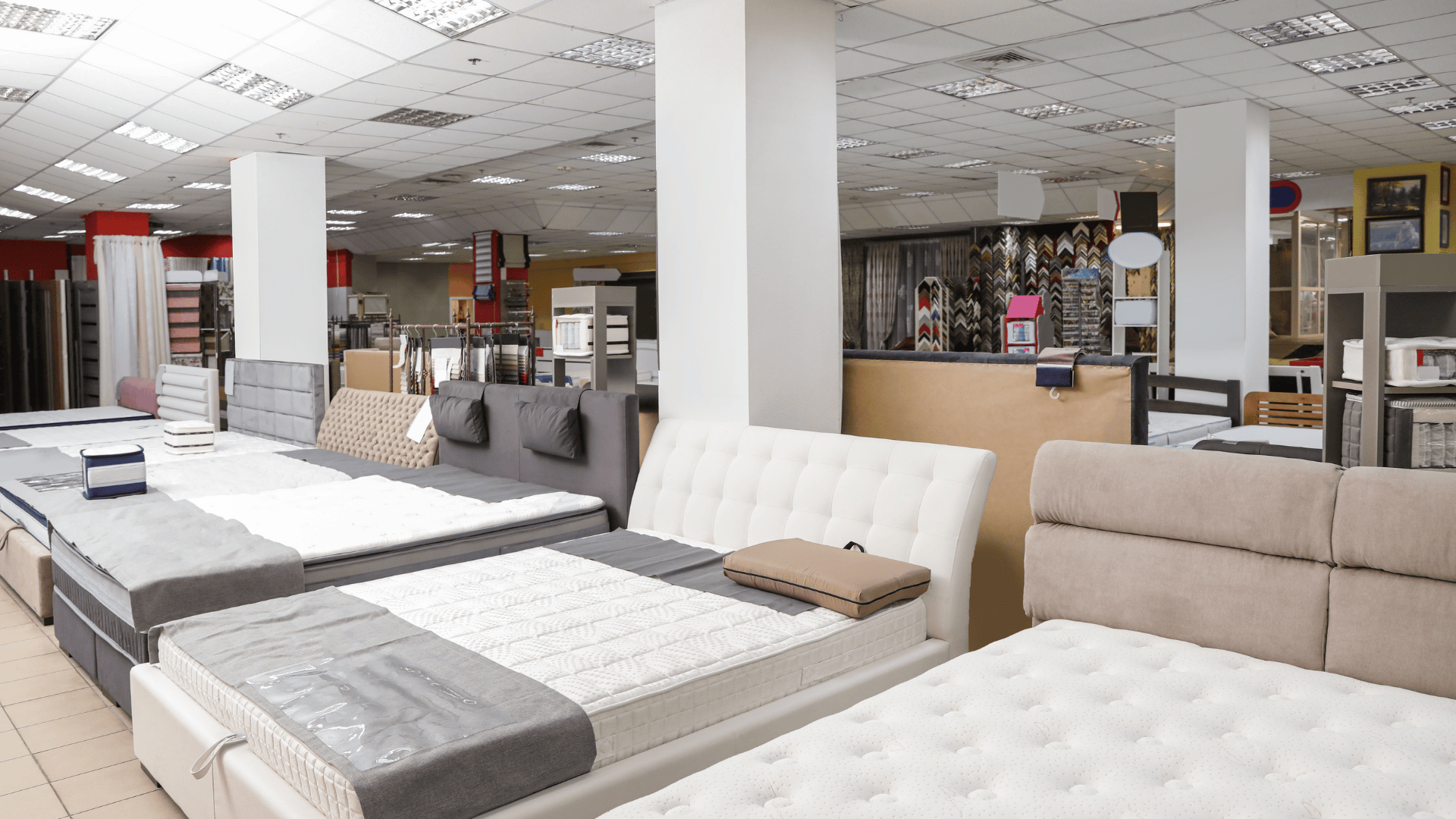
- Increasing average showroom sizes to 400–600 sqm to accommodate lifestyle-focused layouts
- Partnering with sleep tech brands for in-store activation
- Implementing omnichannel fulfillment, enabling local delivery within 24 hours
Investment Implications for Fund Managers
1. Localised Retail REIT Opportunities
Sunshine Coast bulky goods centres anchored by bed retailers offer:
- Predictable cash flows via long leases
- Low capex tenancy requirements
- Strong correlation to regional population and housing trends
Some boutique property trusts are already aggregating these assets for regional-focused income funds.
2. Private Equity in Niche Retail
High-performing independent bed stores in Queensland are ripe for roll-up strategies. Fragmented ownership, consistent margins, and underutilised digital channels make them attractive for:
- Consolidation plays
- Branding upgrades
- Exit via trade sale to national chains
3. Supply Chain Infrastructure
Demand for next-day delivery of large goods has exposed gaps in Sunshine Coast warehousing and logistics capacity. This opens investment doors in:
- Micro-fulfillment hubs
- Reverse logistics and product recycling (particularly for mattresses)
- Last-mile transport operators
Conclusion: Don’t Sleep on the Sunshine Coast
The bedding retail landscape on the Sunshine Coast is far from trivial—it encapsulates key themes in regional economic growth, housing-linked retail, and logistics development. For investors focused on defensible cash flows and scalable growth outside of over-saturated metro markets, bed stores in regional corridors like the Sunshine Coast offer more than just mattresses—they offer signals.