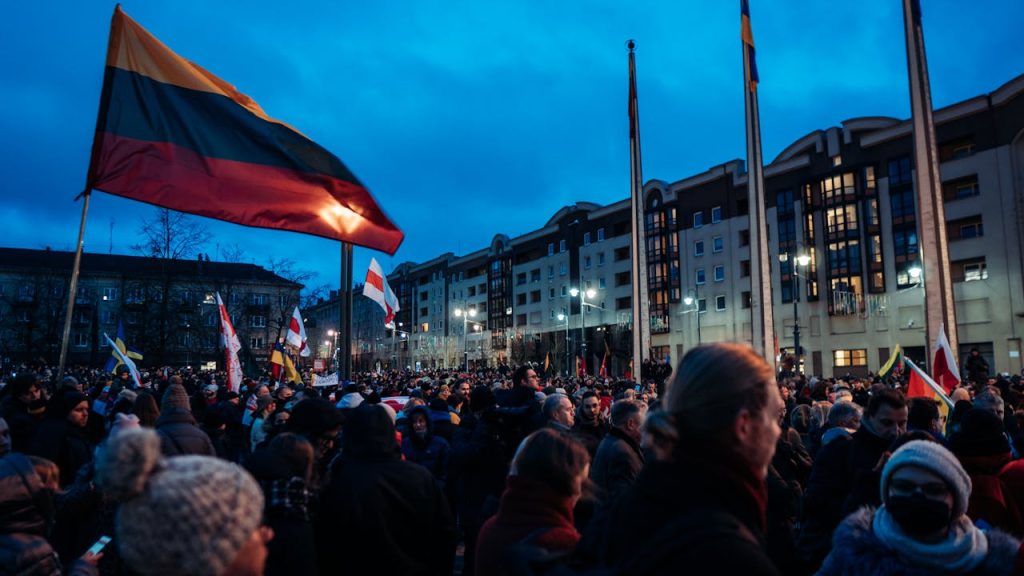
For many families around the world, Lithuania represents identity, history, and emotional connection. Even decades after their ancestors left, countless people still feel that Lithuania is part of their story. Today, more and more descendants are discovering that this connection is not only sentimental, but also offers meaningful legal opportunities. With the option to apply for Lithuanian citizenship based on heritage, people can restore their official bond to the country through lithuanian citizenship by descent.
Citizenship by descent is unique because it is built on bloodline rather than residency or immigration conditions. It recognizes that even if people were born elsewhere, their roots still matter. Many applicants qualify if they can prove a direct family connection to Lithuanian citizens, including parents, grandparents, and often great-grandparents. For many families who left due to war, occupation, persecution, or economic circumstances, this opportunity represents justice, continuity, and cultural dignity.
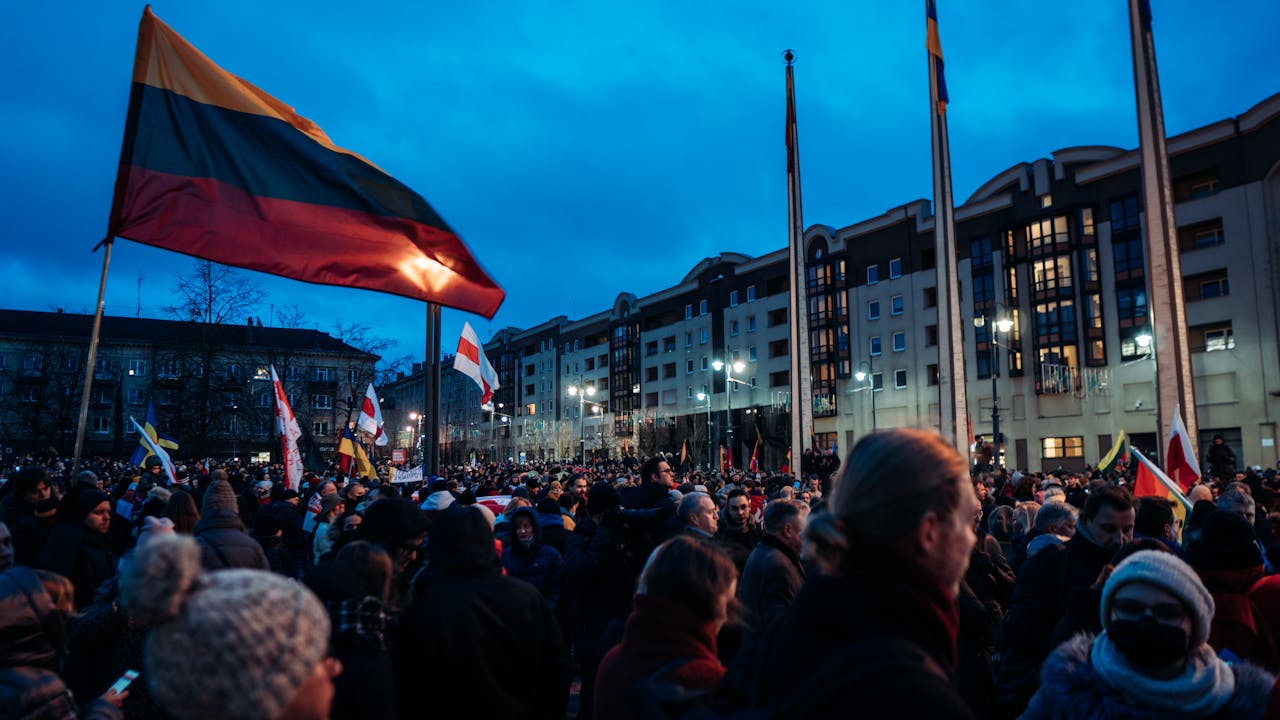
People apply for this type of citizenship for many reasons. For some, it is deeply personal. It is about honoring their ancestors, protecting family history, and officially reclaiming something that always felt like part of their identity. For others, it also has powerful practical benefits. Lithuania is a member of the European Union, meaning that Lithuanian citizenship also provides EU citizenship rights. This offers freedom to live, work, study, and build a future anywhere in the EU, benefiting not only applicants but also their children and future generations. That is why so many people are now exploring lithuania citizenship by descent as a pathway toward both heritage and opportunity.
The process usually begins with documentation. Applicants gather birth certificates, family records, citizenship proofs, and documents connecting each family generation. While it requires accuracy and patience, this journey often becomes far more meaningful than people expect. Many applicants discover forgotten stories, original Lithuanian surnames, historical records, and towns where their families once lived. What begins as a legal process frequently turns into a personal reconnection with the past.
Another important advantage is cultural belonging. Restoring Lithuanian citizenship allows people to feel that they truly “come home” — even if they never lived in Lithuania before. They gain the chance to visit the country not just as visitors, but as rightful members of the nation. They can learn traditions, explore culture, and pass Lithuanian identity forward to future generations with pride.
Ultimately, applying for Lithuanian citizenship by descent is more than filling out paperwork. It is an emotional, cultural, legal, and often life-changing journey. It connects history with the present and opens real opportunities for the future. Whether you are motivated by identity, heritage, mobility, education, or long-term security for your family, this pathway is becoming one of the most meaningful citizenship options available today.
If your family has Lithuanian origins, exploring eligibility may reveal that your connection to Lithuania is still alive — legally, culturally, and emotionally.

Peyman Khosravani is a global blockchain and digital transformation expert with a passion for marketing, futuristic ideas, analytics insights, startup businesses, and effective communications. He has extensive experience in blockchain and DeFi projects and is committed to using technology to bring justice and fairness to society and promote freedom. Peyman has worked with international organizations to improve digital transformation strategies and data-gathering strategies that help identify customer touchpoints and sources of data that tell the story of what is happening. With his expertise in blockchain, digital transformation, marketing, analytics insights, startup businesses, and effective communications, Peyman is dedicated to helping businesses succeed in the digital age. He believes that technology can be used as a tool for positive change in the world.