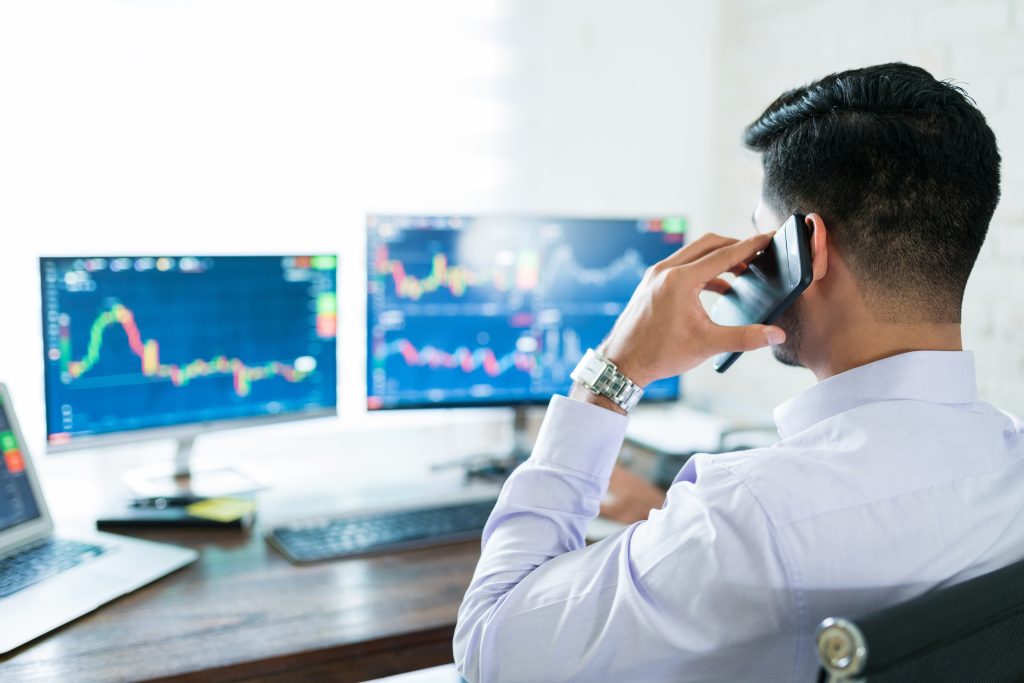
Trading is more psychological than technical. Studies show losing $100 hurts nearly twice as much as receiving $100 feels good, and about 90% of traders lose money due to emotions, not strategy. Can you train your mind to handle both profits and losses without falling into bias?
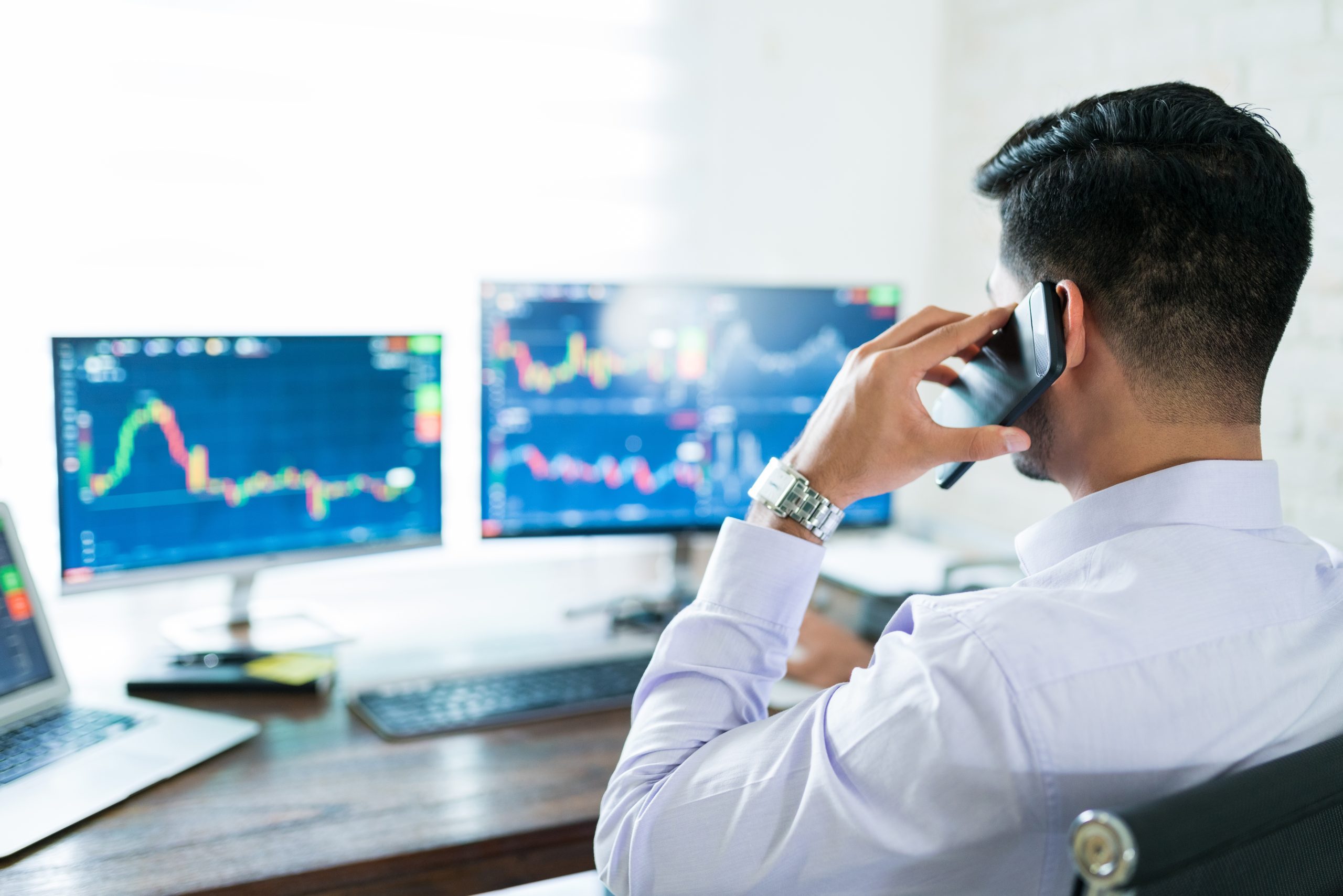
Trading is not only about charts, numbers, or strategies. It is deeply connected to human emotions and behaviour. Research shows that nearly 90% of retail traders lose money over time, not always because of weak strategies but because of how they react to wins and losses.
Scientists have even found that the brain reacts to financial losses in the same way it responds to physical pain.
On the other side, receiving profits lights up the reward centres of the brain, releasing dopamine and giving a rush of pleasure. This emotional rollercoaster can lead to holding losing trades for too long, selling winning trades too early, or chasing losses recklessly.
Understanding this psychology is key to building discipline and long-term success in trading.
Why psychology matters more than charts
Many traders spend years learning technical indicators, chart patterns, and economic analysis.
Yet, even the most accurate system cannot protect someone from their own emotions. Studies in behavioural finance show that traders often sabotage themselves, not because of a lack of skill, but because of how they react to outcomes.
When a trader receives profits, the brain releases dopamine, the “reward chemical.” This creates a sense of achievement and pleasure, but it can also encourage riskier behaviour, as the brain begins to crave more.
On the other hand, when a trader faces a loss, the brain activates fear and stress responses. Losses are processed in the same areas of the brain as physical pain, which explains why they often feel so intense.
This constant battle between pleasure and pain is why psychology is often called the real edge in trading.
The human brain and trading outcomes
The Biology of Wins and Losses
Neuroscience tells us that the brain is wired to seek rewards and avoid pain. When receiving profits, the brain lights up the same way it does when someone wins money in a casino. But when receiving losses, the amygdala, the brain’s fear centre, reacts strongly, creating stress, anxiety, and even irrational thinking.
Loss Aversion
One of the most famous principles in behavioural economics is loss aversion. It shows that people feel losses roughly twice as strongly as equivalent gains. For example, losing $100 often feels worse than the joy of gaining $100. This explains why many traders close profitable trades too early, out of fear of losing gains, while holding on to losing positions too long, hoping they will turn around.
Overconfidence
Receiving profits can also mislead the brain. A winning trade may not always mean a trader made the right decision; sometimes it is just luck. But the positive outcome reinforces the behaviour, creating overconfidence. This is why new traders who experience early profits often take bigger risks, only to face larger losses later.
The emotional rollercoaster of trading
Trading is often described as a cycle of hope, fear, greed, and regret. Each time a trader places an order, emotions get involved.
- Before a trade – excitement and anticipation.
- During a trade – stress, hope, and uncertainty.
- After a profit – relief, joy, or overconfidence.
- After a loss – disappointment, anger, or even denial.
This cycle can become addictive. Some traders chase the thrill of receiving profits, much like gamblers in a casino. Others become paralysed after receiving losses, avoiding trades altogether. Both extremes can harm performance.
The psychology of receiving profits
Profits should bring confidence and motivation, but they also carry hidden risks.
The Joy of Winning
When traders see green numbers on their screen, it validates their effort and decision-making. This joy is natural and healthy. It can motivate learning and discipline.
The Risk of Overconfidence
The danger is when profits lead to a sense of invincibility. Overconfidence often results in larger position sizes, ignoring risk management, and trading without discipline. Many accounts have been wiped out not by losses themselves, but by the reckless behaviour that followed a streak of wins.
The “House Money” Effect
Behavioural studies show that people treat winnings differently from their original money. Traders often risk profits more freely, thinking of them as “house money.” While this can sometimes fuel growth, it often leads to careless decisions.
The psychology of receiving losses
Losses are inevitable in trading. Even the best traders in the world face them regularly. What separates successful traders from struggling ones is how they deal with losses.
Pain and Denial
The first reaction is often denial. Traders may refuse to accept a loss, holding on longer than they should, or moving stop-loss levels further away. This behaviour is dangerous, as it can turn small, manageable losses into devastating ones.
The Trap of Revenge Trading
After a loss, many traders feel an urge to “make it back quickly.” This revenge trading is one of the most damaging emotional traps. It leads to impulsive decisions, poor setups, and further losses.
Fear Paralysis
Some traders react to losses by avoiding trades altogether. While it may seem safe, staying out of the market due to fear can stop growth and learning. Successful traders accept losses as part of the game rather than signs of failure.
Why do we feel losses more strongly?
Psychologists Daniel Kahneman and Amos Tversky discovered that losses hurt about twice as much as equivalent gains bring pleasure.
This principle, called Prospect Theory, explains why traders often close profitable trades too early and hold on to losers for too long.
From an evolutionary perspective, avoiding danger was more important than chasing rewards. This survival mechanism still influences traders today.
Strategies to handle profits wisely
Celebrate but Stay Grounded- Acknowledging a win is healthy, but avoid letting emotions take over. Treat each trade as part of a long series, not an isolated event.
Stick to Position Sizing- Even after profits, never increase risk beyond your plan. Discipline protects against emotional overreach.
Journal Your Wins- Write down not only the outcome but also the process. Did you follow your rules? Did luck play a role? Journaling helps separate skill from chance.
Strategies to handle losses wisely
Losses are an unavoidable part of trading, no matter how experienced or skilled you are. What separates successful traders from the rest is not the ability to avoid losses altogether but the ability to handle them wisely.
Here are some strategies that can help.
- Accept Losses as Business Costs- Just as a shopkeeper accepts rent as an expense, traders should see losses as part of the business.
- Avoid Revenge Trading- Take a break after a loss. Step away from the screen, review your plan, and return with a clear mind.
- Learn From Every Loss- Losses can be the best teachers. Review what went wrong — was it the strategy, execution, or emotions? Adjust accordingly.
- Keep Losses Small- The number one rule is risk management. Small losses are recoverable; large losses are not.
Building emotional discipline
Trading success depends less on finding the perfect strategy and more on maintaining discipline in every situation. Emotional discipline means sticking to your plan regardless of whether the last trade was a profit or a loss. Without it, even the best strategies can fail because emotions push traders into impulsive decisions.
One of the most effective tools for discipline is the stop-loss order. By setting clear exit points before entering a trade, you protect yourself from reacting emotionally when the market moves against you. This simple step removes hesitation and prevents small losses from growing into account-damaging ones.
Another vital part of discipline is setting realistic expectations. No trader wins all the time. Aiming for consistency rather than perfection helps reduce pressure and keeps emotions in check. Understanding that losses are part of the process allows you to approach trading with patience and balance.
Finally, practising mindfulness can make a significant difference. Techniques such as meditation, deep breathing, or even short breaks away from the screen help calm the mind and improve focus. Emotional discipline is not about removing feelings altogether but about managing them so decisions remain rational, steady, and aligned with your trading plan.
Cultural and social influences
Not all traders react the same way to profits and losses, and one key reason is cultural and social influence. Our upbringing, environment, and values shape the way we view money, risk, and success. For instance, in cultures where risk-taking is celebrated, traders may be more willing to accept volatility and embrace aggressive strategies. In contrast, cultures that value security and stability may encourage a more cautious, conservative approach to trading.
The social environment also plays a role. A trader surrounded by peers who chase quick gains may feel pressured to do the same, even against their better judgment. On the other hand, being part of a disciplined community can reinforce patience and risk control.
Understanding these personal biases allows traders to separate cultural conditioning from rational decision-making. By becoming aware of how background influences their reactions, traders can better manage their behaviour and avoid repeating mistakes rooted in habit rather than logic.
Developing a healthy relationship with trading outcomes
Healthy trading is not about removing emotions but about managing them wisely. Profits and losses will always create feelings, yet they don’t need to control your decisions. A healthy mindset involves:
- Accepting profits and losses as part of the journey – Every trade won’t be perfect, and both outcomes are natural in trading.
- Focusing on process over outcome – Judge yourself by whether you followed your trading plan, not by whether a single trade won or lost.
- Separating self-worth from trading results – Your identity and confidence should not depend on market performance.
- Protecting mental health – By keeping emotions in balance, you reduce stress and avoid burnout.
- Aiming for steady growth – Focus on long-term consistency rather than being swayed by short-term highs and lows.
Final Thoughts
The psychology of receiving profits and losses in trading is one of the most important skills a trader can master. While technical knowledge is necessary, it is emotional control that often separates winners from losers.
Profits can boost confidence but also tempt traders into dangerous territory. Losses can teach valuable lessons but also trigger fear and irrational behaviour. The goal is not to eliminate emotions but to understand and manage them.
In the end, trading is less about predicting markets and more about predicting yourself. Mastering your own reactions when receiving outcomes is the true path to long-term success.

Shikha Negi is a Content Writer at ztudium with expertise in writing and proofreading content. Having created more than 500 articles encompassing a diverse range of educational topics, from breaking news to in-depth analysis and long-form content, Shikha has a deep understanding of emerging trends in business, technology (including AI, blockchain, and the metaverse), and societal shifts, As the author at Sarvgyan News, Shikha has demonstrated expertise in crafting engaging and informative content tailored for various audiences, including students, educators, and professionals.