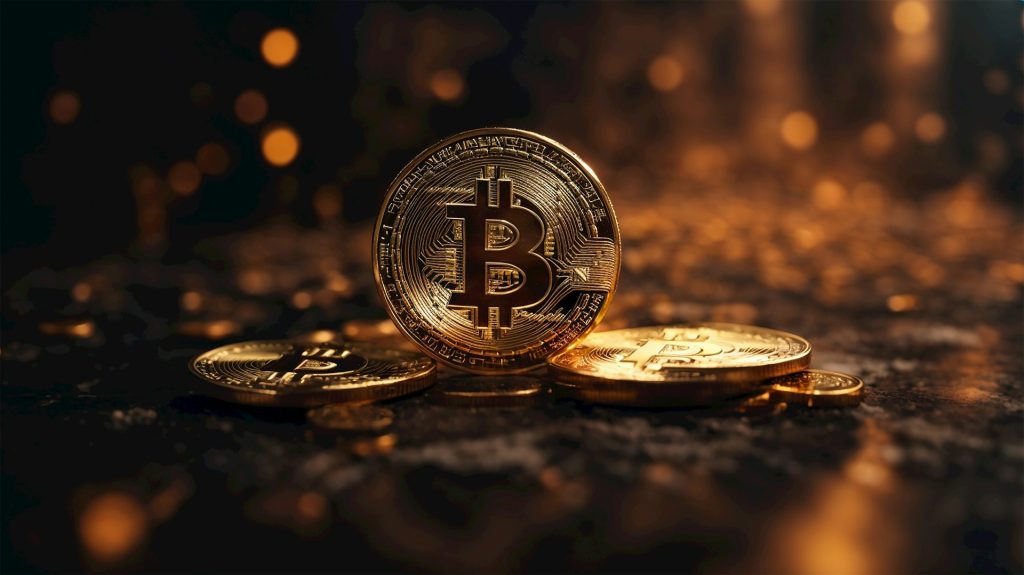
Cryptocurrency has grown from a niche experiment into a central part of global finance. While it can be used for transactions, its role as an investment often takes priority. Choosing whether to hold or spend highlights two different approaches. Investing offers growth, diversification, and innovation, but also brings volatility, regulation, and technical hurdles. Spending delivers instant utility but often at the expense of long-term gains. Weighing both paths shows where crypto provides the most value and where it falls short.
Pro: Potential for Long-Term Growth
One of the strongest reasons to invest in cryptocurrency rather than spend it is the possibility of long-term appreciation. Bitcoin, Ethereum, and other established coins have repeatedly demonstrated the ability to multiply in value in ways few traditional assets can. Early holders who resisted the temptation to spend small amounts on coffee or online goods later saw those same coins grow to values that could buy cars, houses, or entire businesses.
This growth potential is rooted in scarcity and network adoption. Assets such as Bitcoin are designed with a capped supply, which makes them resistant to inflation. In an environment where central banks print money and fiat currencies lose purchasing power, crypto can serve as a digital alternative to gold. For investors who believe in the technology’s future, holding rather than spending feels like planting seeds in fertile ground. The hope is that time and scarcity will bring rewards that far exceed the satisfaction of immediate consumption.
Con: Unpredictable Volatility
The flip side of this potential is volatility. Crypto markets are notorious for sudden swings, sometimes wiping out months of gains within a single day. An investor who plans for retirement, tuition, or even a down payment on a home may find those plans derailed by dramatic price collapses. The unpredictability makes it difficult to rely on crypto as a stable store of value.
Volatility also creates psychological pressure. Watching an investment fluctuate wildly can cause anxiety, second-guessing, and impulsive decisions. Gains may evaporate before they can be realized, and losses often arrive faster than expected. This instability pushes some holders toward spending instead, reasoning that it is safer to lock in real-world value than to risk watching assets disappear on a price chart.
For some, this means using crypto for tangible assets such as real estate or luxury purchases, while others turn to entertainment options like increasingly popular Bitcoin casino sites, where the appeal lies not in long-term growth but in immediate value and enjoyment. Many people are seeking out the latter for their vast game libraries with thousands of probably fair games, near instant payouts, and generous bonuses such as welcome rewards, cashback offers, and free spins, making them an exciting way to spend Bitcoin that combines quick access, entertainment, and thrilling experiences. Volatility ultimately highlights the challenge of deciding whether crypto should be held as a long-term investment or converted into present-day value.
Pro: Access to Innovative Financial Tools
Another compelling reason to invest is access to innovative financial services that go beyond simple price speculation. The rise of decentralized finance, or DeFi, has created platforms where investors can stake their holdings, provide liquidity, or lend assets to earn returns. These tools allow crypto holders to generate income without selling their coins, effectively putting idle assets to work.
In traditional finance, such opportunities are often limited to accredited investors or those with significant capital. DeFi lowers that barrier, giving ordinary participants access to strategies that resemble those of large institutions. In regions where banking access is scarce or restrictive, these platforms provide a form of financial independence. Investing in crypto, therefore, is not only about price appreciation but also about participation in a broader ecosystem of innovation. Choosing to invest opens doors that spending alone cannot.
Con: Security and Regulatory Risks
Despite the promise of DeFi and other investment tools, crypto ownership carries significant risks. Security remains one of the largest concerns. Losing a private key or falling victim to a crypto phishing scam can erase holdings permanently, with no institution to appeal to for recovery. Exchanges, too, have been frequent targets of hacks, leaving investors vulnerable to losses beyond their control.
Regulation adds uncertainty, as governments worldwide are still deciding how to treat cryptocurrencies. Sudden policy shifts, tax rules, or bans can reshape the market overnight. Investors may see assets devalued or restricted not by market forces but by political decisions. This unpredictability makes long-term planning difficult. Spending, by contrast, carries less exposure to these risks, since using crypto for immediate transactions avoids some vulnerabilities of holding large amounts.
Pro: Diversification and Inflation Hedge
One of the strongest reasons to invest in cryptocurrency rather than spend it is the potential for long-term appreciation. Bitcoin, Ethereum, and other established coins have multiplied in value in ways few traditional assets can. Early holders who resisted spending small amounts on everyday items later saw those same coins grow into the means to buy cars, houses, or even businesses.
This growth stems from scarcity and adoption. With a capped supply, assets like Bitcoin resist inflation and act as a digital alternative to gold. For believers in Bitcoin’s future, holding feels like planting seeds in fertile ground, trusting that time and scarcity will maximize investment returns more effectively than immediate consumption. Spending may bring short-term satisfaction, but it sacrifices the compounding growth long-term investors seek.
Con: Missed Opportunities for Practical Use
One drawback of holding crypto solely as an investment is sidelining its practical uses. Spending enables fast, borderless payments, lower fees on transfers, and flexibility in regions with weak currencies. Crypto was created not just as an asset but as a medium of exchange. Locking coins away risks turning them into speculative chips instead of everyday tools. Stablecoins can provide relief in unstable economies, while using crypto for travel or online purchases can cut fees and bypass banks. Investing preserves long-term value but may mean missing these immediate advantages.
Pro: Global Accessibility and Financial Inclusion
Perhaps one of the most overlooked benefits of investing is its inclusivity through its easy accessibility. Unlike traditional financial markets that often require bank accounts, credit history, or minimum balances, crypto is open to anyone with an internet connection. This inclusivity allows people in underserved regions to participate in wealth-building opportunities that were previously out of reach.
Investing in crypto levels the playing field, giving individuals from emerging economies the chance to store value securely, access DeFi platforms, and engage in global financial networks without relying on local institutions that may be unstable or corrupt. Holding crypto as an investment is, therefore, not only a personal financial choice but also a pathway to broader participation in the global economy.
Con: Technological and Knowledge Barriers
On the other hand, investing requires a level of technical understanding that not everyone possesses. Managing private keys, setting up hardware wallets, and navigating crypto exchanges can be daunting for newcomers. A simple mistake like sending funds to the wrong address or failing to back up a wallet can mean permanent loss.
Beyond the technical side, knowledge gaps around market cycles, tokenomics, and security practices put uninformed investors at risk. Unlike spending, which can be as simple as scanning a QR code, investing demands a deeper learning curve. This complexity discourages widespread adoption and leaves many individuals exposed to avoidable mistakes.
Conclusion
The choice between investing and spending crypto depends on personal goals. Investing promises growth and diversification but brings volatility, regulation, and security risks. Spending offers real-world use and adoption but involves opportunity costs and less stability. Often, balance works best: hold some for growth while spending enough to enjoy its practical benefits.