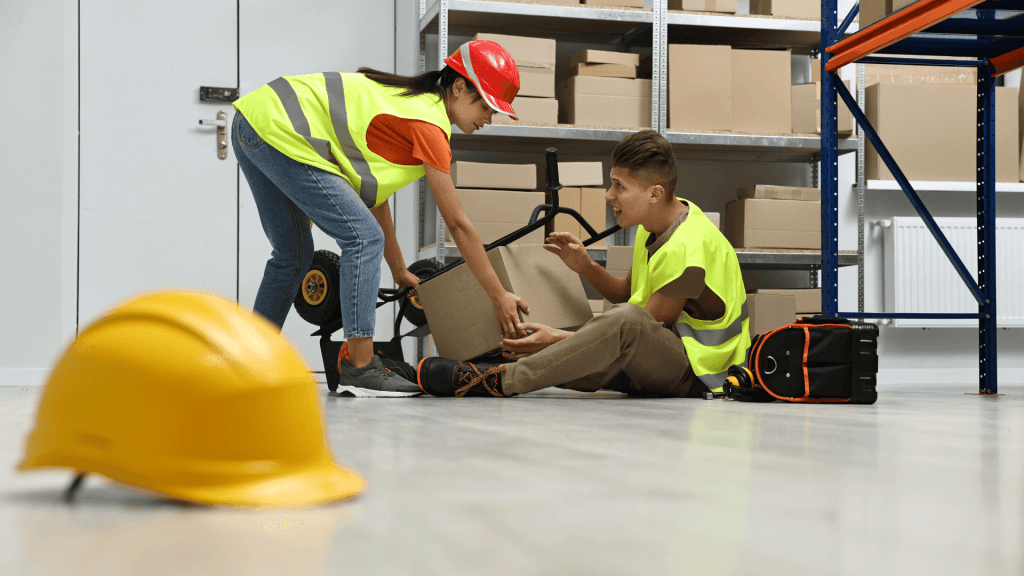
Workplace safety is essential for protecting employees and ensuring smooth operations. In industries across Nebraska, from Omaha’s bustling warehouses to construction sites in Lincoln, slip and fall accidents remain a leading cause of injuries. These incidents can lead to sprains, fractures, or even long-term disabilities, but the good news is they’re largely preventable with proactive measures.
By prioritizing prevention, businesses can reduce downtime, lower medical costs, and foster a culture of well-being. This article explores practical strategies to avoid slip and fall risks, drawing from proven safety practices tailored to everyday work environments.

Identifying Common Slip and Fall Hazards
The first step in prevention is recognizing potential dangers. Slip and falls often occur due to wet floors, cluttered walkways, or uneven surfaces. In Nebraska workplaces, where seasonal weather brings snow, ice, or rain, spills from tracked-in moisture are common. For instance, in retail stores or offices, loose cords, debris, or poorly maintained mats can create tripping points.
To address this, conduct a hazard assessment. Walk through your facility and note areas like entrances, kitchens, or loading docks where liquids might accumulate. Use signage to mark temporary hazards, such as during cleaning.
Employers should encourage workers to report issues immediately via a simple app or logbook. This vigilance not only prevents accidents but also builds team accountability, turning potential risks into opportunities for improvement.
Implementing Effective Housekeeping Practices
A tidy workspace is a safe one. Regular cleaning routines are crucial to eliminate slip hazards. Schedule daily sweeps to remove debris, and ensure spills are mopped up promptly with absorbent materials. In high-traffic areas, like factory floors or hospital corridors, use non-slip mats at entry points to capture water and dirt.
For Nebraska’s variable climate, consider anti-slip treatments on floors, such as epoxy coatings that provide grip even when wet. Assign specific roles—perhaps a rotating team—for housekeeping to keep everyone involved. This approach not only minimizes falls but enhances overall efficiency, as organized spaces allow for quicker task completion and fewer interruptions.
Choosing the Right Footwear and Gear
Footwear plays a pivotal role in stability. Employees should wear shoes with slip-resistant soles, especially in roles involving kitchens, construction, or outdoor work. Look for certifications like those from the American Society for Testing and Materials (ASTM) for reliable traction.
Beyond shoes, personal protective equipment (PPE) like gloves or harnesses can prevent falls from heights. In Omaha’s manufacturing sector, where ladders are common, ensure workers use anti-slip boots rated for oily or wet conditions. Train staff on proper fit and maintenance—replace worn treads promptly. Investing in quality gear pays off by reducing injury rates and boosting confidence, allowing workers to focus on their jobs without fear.
If you’ve unfortunately experienced a slip and fall in the workplace and need guidance on your rights, resources like the Omaha Personal Injury Lawyers can provide expert advice tailored to Nebraska laws.
Providing Comprehensive Employee Training
Education empowers workers to stay safe. Offer regular training sessions on slip and fall prevention, covering topics like safe walking techniques and hazard recognition. Use interactive methods, such as role-playing scenarios or videos showing real Nebraska workplace examples, to make it engaging.
Incorporate OSHA guidelines, which recommend annual refreshers. For new hires, include orientation on site-specific risks, like navigating icy parking lots in winter. Encourage a “see something, say something” culture where employees feel comfortable pointing out dangers. This training not only cuts accident rates but also improves morale, as staff feel valued and prepared.
Conducting Routine Inspections and Maintenance
Proactive checks keep environments secure. Set up a monthly inspection schedule to examine floors, stairs, and lighting for issues like cracks or dim bulbs that could hide hazards. In Nebraska’s older buildings, common in downtown Omaha, pay extra attention to worn carpeting or loose tiles.
Use checklists to document findings and track repairs. Involve maintenance teams in quick fixes, such as securing handrails or applying grit strips to ramps. For outdoor areas, clear snow and apply salt promptly during winter storms. These habits prevent small problems from escalating, saving time and resources while promoting a reliable, hazard-free workplace.
Addressing Weather and Environmental Factors
Nebraska’s weather— from heavy rains to blizzards—amplifies slip risks. Indoors, humidity can cause condensation on floors; outdoors, ice buildup on sidewalks is a frequent culprit. Install weather-stripping on doors to reduce moisture entry and use dehumidifiers in prone areas.
To further reduce risks, businesses should schedule routine inspections of walkways and ensure prompt snow and ice removal. Clear signage, proper footwear policies, and adequate lighting also play key roles in accident prevention. When employees see proactive safety measures in place, it not only reduces liability but also builds trust and confidence during harsh winter months.
Building a Strong Emergency Response Plan
Even with prevention, preparedness is key. Develop a clear plan for responding to slips, including first aid kits stocked with bandages and ice packs. Train designated responders in basic care, like stabilizing injuries until help arrives.
Incorporate drills to practice scenarios, ensuring quick evacuation if needed. Keep records of incidents to analyze patterns and refine strategies—perhaps noting that most falls happen during shift changes. This forward-thinking approach minimizes injury severity and demonstrates commitment to employee health, fostering loyalty and a positive work atmosphere.
In summary, preventing slip and fall accidents requires a mix of awareness, maintenance, and training. By adopting these strategies, Nebraska workplaces can significantly reduce risks, leading to healthier teams and stronger operations. Start small—perhaps with a hazard walk-through today—and build from there. Safety isn’t just compliance; it’s an investment in people and progress. With consistent effort, accidents become rare, and productivity soars. Remember, a safe workplace benefits everyone involved.

Pallavi Singal is the Vice President of Content at ztudium, where she leads innovative content strategies and oversees the development of high-impact editorial initiatives. With a strong background in digital media and a passion for storytelling, Pallavi plays a pivotal role in scaling the content operations for ztudium’s platforms, including Businessabc, Citiesabc, and IntelligentHQ, Wisdomia.ai, MStores, and many others. Her expertise spans content creation, SEO, and digital marketing, driving engagement and growth across multiple channels. Pallavi’s work is characterised by a keen insight into emerging trends in business, technologies like AI, blockchain, metaverse and others, and society, making her a trusted voice in the industry.