
The follow-up gap most clinics don’t notice
Treatment goes well. The patient smiles, pays, leaves. Staff resets the room. Next appointment. Normal day.
Then… two hours later: “Is this swelling normal?”
Next morning: “I have a small lump, what do I do?”
Two days later: “I’m panicking, can someone call me?”
None of those messages are “bad patients.” They’re predictable. People go home, adrenaline drops, mirrors come out, group chats get opinions, and anxiety finds oxygen.
Clinics usually respond the way they can: fast, polite, reactive. The problem is the shape of it. Random questions arrive at random times, handled by whoever is free. Notes end up scattered. The same reassurance gets typed 40 times a week. Staff time leaks, not in one big burst, but in constant drips.
A follow-up system fixes that. Not with more effort. With better timing and clearer structure.

The quiet cost of weak follow-up
Weak follow-up does not always create “complications.” Sometimes it creates confusion. Or frustration. Or needless emergency visits. Or chargeback threats because someone felt ignored.
More importantly, it creates staff chaos:
- Phones ring at peak hours.
- DMs land in personal accounts.
- One nurse knows the case, another answers the message.
- The practitioner gets pulled into basics that should have been handled earlier.
A solid follow-up system is basically a staff protection system. It keeps patient support real, while keeping the clinic out of constant firefighting mode.
The “one paragraph” patients actually re-read
Most post-treatment instructions fail for one reason: they read like a pamphlet. Patients skim. Then they forget. Then they worry.
People need a simple path: what is normal, what is not, what to do right now, and when the clinic will check in again. They also need clarity around product authenticity, proper storage, and safe access when they plan future care or refills, especially in markets where online purchasing exists and patients ask questions about it.
That’s why clinics often keep an approved, neutral resource ready for patients who ask where to source properly and buy Dysport online safely.
No drama. No sales pitch. Just a calm, direct answer ready when the question comes up. That single moment of clarity can prevent a lot of risky decisions and late-night panic messages.
Design the follow-up like a timeline, not a document
Follow-up should feel like a sequence. Patients expect steps, not a wall of text.
Think in checkpoints:
- Immediately after treatment: reassurance + what they might feel today
- Same evening: quick check-in + “normal vs not normal”
- Day 2 or Day 3: second check + care reminders
- Week 2: satisfaction check + adjustment options if relevant
This approach does two things at once:
- It reduces inbound questions because answers arrive before anxiety does.
- It cuts staff time because messages become planned, repeatable, and consistent.
The core pieces of a follow-up system that actually works
1) A “normal vs not normal” message that reads like a human wrote it
Forget long lists with a medical tone. Patients want plain language.
A good message does this:
- Names the top 3 sensations they might notice.
- Says what should slowly settle.
- Says what deserves a message or call.
Short. Calm. Specific.
The key detail: the message should come before the patient starts googling. Timing matters more than length.
2) A single contact channel, clearly stated
Clinics lose time when patients scatter communication across:
- Instagram DMs
- Facebook messages
- personal WhatsApp numbers
- email threads
- phone calls
Pick one channel for post-treatment support. Then repeat it everywhere: aftercare sheet, receipt email, appointment reminder, voicemail message.
Staff sanity depends on this.
3) Templates that still feel personal
Templates are not cold. Bad templates are cold.
A good template includes:
- a greeting with the patient’s name
- one line that anchors the timing: “You’re about 6 hours post-treatment now…”
- a short guidance block
- a clear next step: “Reply with a photo if X happens.”
Staff should not have to invent language every day. They should adjust to a smart base.
4) Photo rules that reduce back-and-forth
Patients often send photos that are unusable: bad lighting, wrong angle, too close, too far.
Give them a mini-photo guide in one message:
- face the window
- no flash
- neutral expression
- two angles: front + side
- include a reference point
This saves time because it prevents the “can you send another photo” loop.
5) A simple triage ladder so staff know what to do
Staff time disappears when every message feels urgent. A triage ladder removes uncertainty.
Here’s a clean version that works in most clinics:
- Green: normal sensations, reassurance template, no clinician needed
- Yellow: unusual but not alarming, request photo, schedule check call
- Red: clear warning signs, clinician involved quickly, documented steps
The goal is not fear. The goal is speed with structure.
Documentation that doesn’t feel like homework
Clinics often either over-document or under-document. Both waste time.
Under-documentation creates repeated questions later:
“What did we tell her last time?”
“Was that lump new?”
“Did we already ask for photos?”
Over-documentation creates busywork.
The sweet spot is a quick follow-up note format:
- time since treatment
- patient concern in one line
- action taken
- next check-in date
That’s enough. It protects the clinic and keeps continuity across staff.
The staff-time win nobody talks about: scheduled silence
When follow-up becomes planned, something interesting happens.
Phones get quieter. Not because patients stopped caring. Because the system answered them early.
Patients tend to message when they feel uncertain. Certainty reduces contact volume. A well-timed check-in message can prevent five incoming messages later.
That is the real staff-time win. Less reactive work. More predictable work.
Common mistakes that keep clinics stuck in “reactive mode”
Too much information at once
Patients get overwhelmed. They skim. They forget. Then they ask.
Better approach: short messages spaced out.
No stated response window
Patients assume instant replies. Then they panic when they don’t get one.
A simple line helps: “We reply within X hours during business hours.”
Clear expectations reduce emotional follow-ups.
Everyone answers differently
Inconsistent advice creates distrust and extra questions.
One set of templates, one triage ladder, one shared log. Staff can still sound human. They just don’t need to improvise.
A practical way to roll this out without disrupting the clinic
No massive overhaul needed. Start small.
- Week 1: pick the single support channel + write the “normal vs not normal” message
- Week 2: create two follow-up check-ins (same evening, Day 2)
- Week 3: set up triage ladder + quick documentation format
- Week 4: review message volume and adjust timing
Simple steps. Real impact. Less chaos.
Final thought: follow-up is part of the treatment
Patients judge care by what happens after they leave. Staff stress also gets decided after the patient leaves.
A follow-up system is not extra. It is the missing half of the service.
When it’s done well, patients feel held. The staff feels protected. The clinic feels calmer. That’s the point.
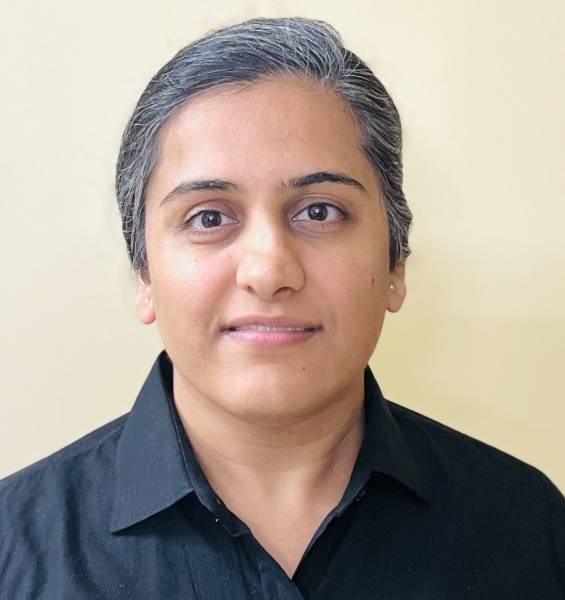
Pallavi Singal is the Vice President of Content at ztudium, where she leads innovative content strategies and oversees the development of high-impact editorial initiatives. With a strong background in digital media and a passion for storytelling, Pallavi plays a pivotal role in scaling the content operations for ztudium’s platforms, including Businessabc, Citiesabc, and IntelligentHQ, Wisdomia.ai, MStores, and many others. Her expertise spans content creation, SEO, and digital marketing, driving engagement and growth across multiple channels. Pallavi’s work is characterised by a keen insight into emerging trends in business, technologies like AI, blockchain, metaverse and others, and society, making her a trusted voice in the industry.