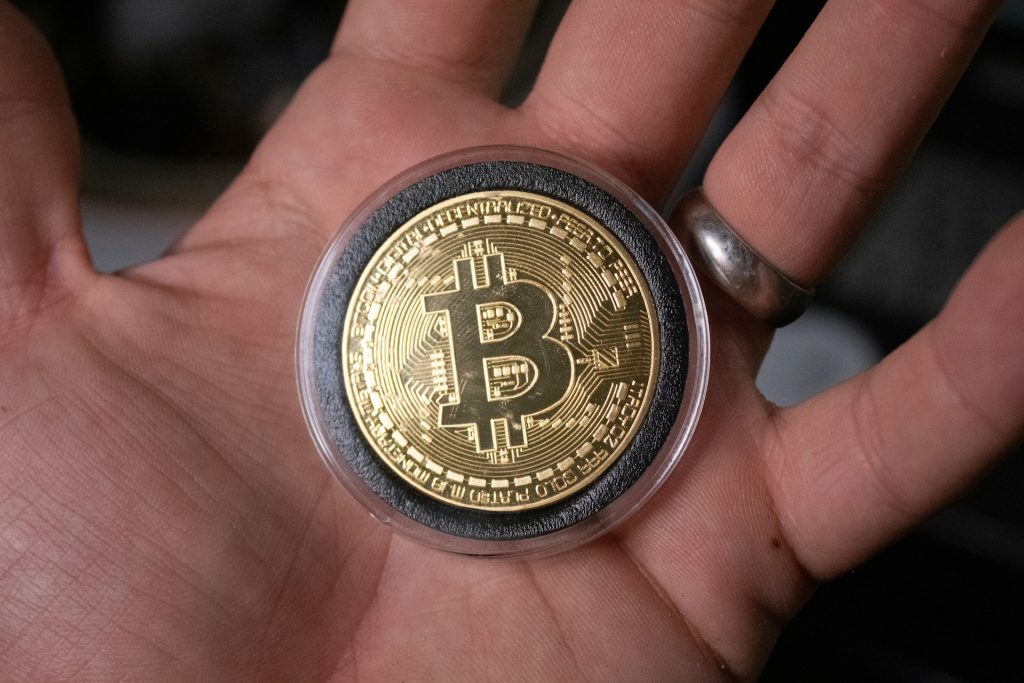
The world of cryptocurrency might seem like an enticing place, especially if you’ve read a lot of news articles about the massive gains that certain coins have made over a very short period.
The good news is that it’s never been more straightforward to get into cryptocurrency. On the other hand, however, a good understanding of the fundamentals will help you to invest with your eyes open, and to avoid making costly mistakes. Let’s take a look at a few worthwhile considerations.
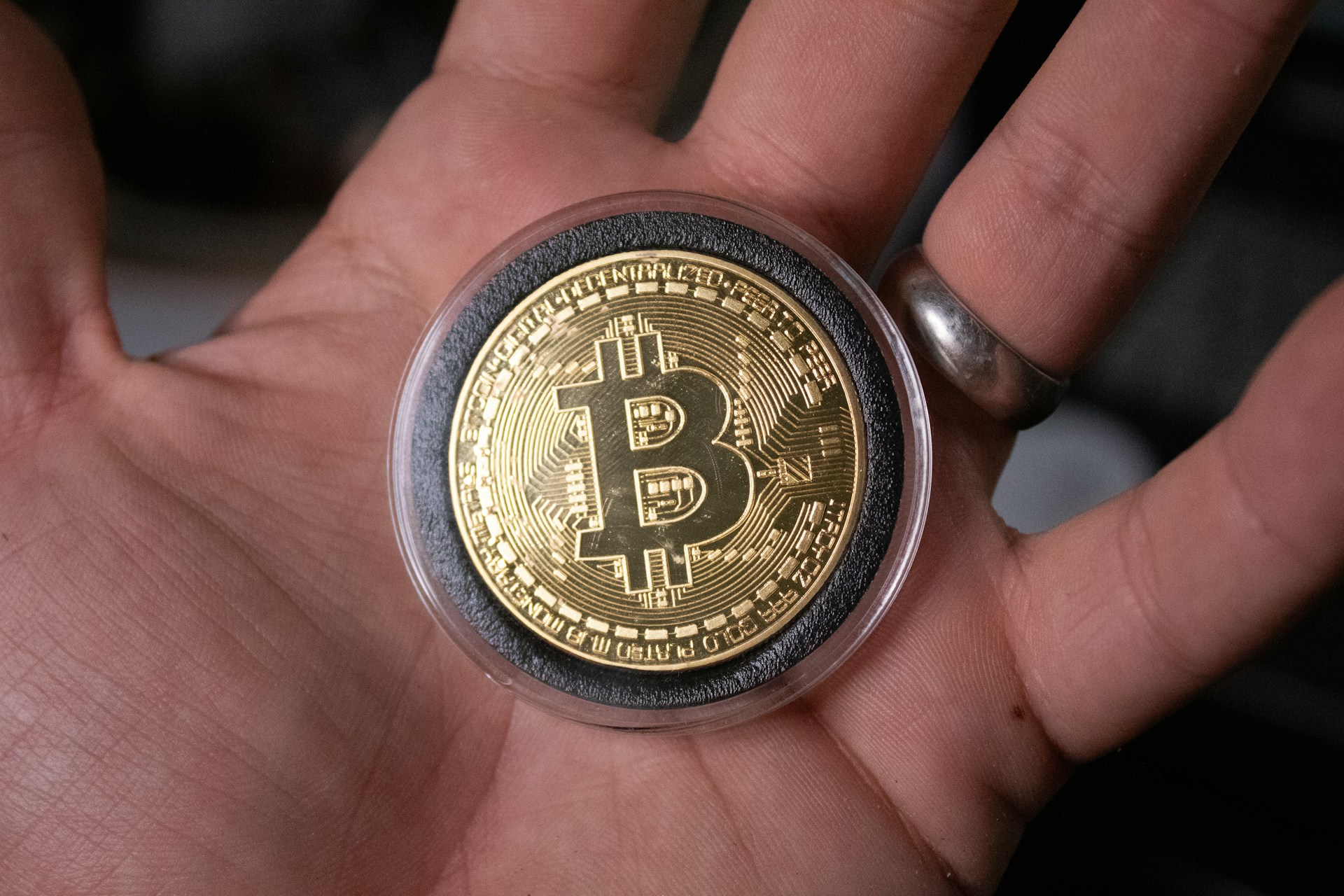
Understanding the Basics of Cryptocurrency
A cryptocurrency is a digital asset whose value is linked to principles of cryptography and mathematics, rather than the say-so of any central authority, like the Federal Reserve. Transactions are validated through a network of peers, which makes the public ledger (or blockchain) effectively impervious to tampering.
This means that the value of your assets can’t be affected by an arbitrary increase in supply. In the case of Bitcoin, new coins can enter into circulation, but they do so according to a schedule that’s widely understood in advance. What’s more, there will never be more than twenty-one million bitcoins.
Choosing a Secure Method to Buy Crypto
You’ll need to choose from a number of different options when it comes to the means through which you buy your coins. There are online exchanges to consider, and applications. These provide an additional layer of security and reassurance – but they take a fee. Technically, it’s possible to trade directly with other people. Doing so, however, is fraught with risk for beginners.
There are also special Bitcoin ATM machines, at which you’ll be able to exchange coins at fixed rates. These offer additional convenience. In the United States, there are now more than thirty thousand of them.
Setting Personal Investment Goals and Understanding Risk
Before you buy Bitcoin, or any other cryptocurrency, you’ll need to be conscious of, and comfortable with, the level of risk that you’re thereby assuming. The value of your holdings might skyrocket, or it might plummet to zero. You’ll need to be prepared to contend with short-term volatility, and to avoid paying too much attention to market fluctuations. Generally speaking, those who buy and sell more frequently tend to lose out to those who hold what they have, and buy according to a fixed schedule.
Keeping Your Investment Safe with the Right Wallet
To keep your coins, you’ll need what’s called a wallet. This is a digital device used to store private keys – which are the passwords used to actually access your assets on the blockchain.
Wallets come in two varieties. There are offline (or ‘cold’) wallets, and online (or ‘hot’) ones. The former might appeal to long-term holders, as they’re less vulnerable to hacks and malware. The latter might be better for new traders who don’t want to spend extra on physical devices.
What matters is that you never share your seed phrase, you double-check addresses before sending, and that you use a separate email account for all crypto exchanges to lower the risk of phishing.
Building Confidence by Tracking Your Investment Over Time
When you first enter the market, it’s easy to feel disoriented by all of the arcane terminology and technical principles being flung around. But if you’re willing to be disciplined, and aware of your own quirks and biases, you can have fun tracking your fortunes over the months and years. Just be sure to pay attention to changes in the market and the way that it’s regulated, and to make sure that you take security seriously, especially if you intend to invest large amounts.

Peyman Khosravani is a global blockchain and digital transformation expert with a passion for marketing, futuristic ideas, analytics insights, startup businesses, and effective communications. He has extensive experience in blockchain and DeFi projects and is committed to using technology to bring justice and fairness to society and promote freedom. Peyman has worked with international organizations to improve digital transformation strategies and data-gathering strategies that help identify customer touchpoints and sources of data that tell the story of what is happening. With his expertise in blockchain, digital transformation, marketing, analytics insights, startup businesses, and effective communications, Peyman is dedicated to helping businesses succeed in the digital age. He believes that technology can be used as a tool for positive change in the world.