
Thinking about Pi Network and its potential for growth? It’s a project that’s been around for a bit, and people are curious about where it’s headed. We’ll look at some of the main ideas driving Pi’s development and what investors are watching. It’s not always straightforward, but understanding these points can help paint a clearer picture of Pi’s future.
Key Takeaways
- Pi Network’s core vision relies on strong leadership and clear tokenomics, potentially including a burning mechanism to manage inflation.
- Partnerships with AI and blockchain leaders, along with wider KYC adoption in key regions, could boost user engagement and demand.
- Revitalizing the node economy and supporting developers through incentives and grants are seen as important for network health and innovation.
- Addressing market challenges like price swings and building investor trust through transparent roadmaps are critical for Pi’s stability.
- The project’s significant potential in the AI space, with many apps in development, could be a major driver for future value, especially given its large global user base.
Exploring Pi Investments: Foundational Strategies
Understanding Pi Network’s Core Vision
The Pi Network project started with a simple idea: make cryptocurrency accessible to everyone, right from their phones. It’s not just about mining coins; it’s about building a whole new digital economy. The core vision is to create a decentralized system where people can use Pi for everyday transactions, services, and even to build applications. Think of it as a global digital currency that anyone can participate in, without needing fancy equipment or a deep technical background. This approach aims to bring cryptocurrency to the masses, moving beyond the early adopters and tech enthusiasts.
The Role of Leadership in Pi’s Growth
Leadership plays a big part in how Pi Network develops. The core team is responsible for guiding the project, making key decisions about technology, and setting the direction for the future. Their ability to manage the project effectively, communicate clearly with the community, and adapt to changes in the crypto world is really important. Good leadership can help build trust and keep the community engaged, which is vital for any growing network. Strong leadership is needed to steer Pi towards its long-term goals.
Navigating Governance and Tokenomics
When we talk about Pi Network, understanding its governance and tokenomics is key. Governance refers to how decisions are made within the network – who gets to vote, how proposals are handled, and how the rules can change over time. Tokenomics, on the other hand, deals with the supply, distribution, and economic features of the Pi coin itself. This includes how new coins are created (mining), how they might be spent, and any mechanisms that could affect the coin’s value, like burning tokens to reduce supply. Getting these aspects right is important for the network’s stability and growth. It’s a bit like managing a country’s economy, but for a digital currency. Learning about Yahoo Finance Portfolio 2.0 Beta can offer insights into managing digital assets.
Leveraging AI and Partnerships for Pi Investments
The Pi Network is looking to make a significant impact by integrating artificial intelligence into its ecosystem. With the global AI economy projected to reach $16 trillion by 2030, Pi has a chance to capture a piece of this growing market. The Pi App Studio has already seen a huge interest, with over 12,000 AI application ideas submitted. This shows a strong developer community ready to build on the platform. Pi’s strategy involves creating AI-powered tools like decentralized assistants and smart financial applications. This approach aims to differentiate Pi from traditional tech projects by allowing its worldwide user base to develop and benefit from AI advancements. The network’s existing user base, spread across more than 200 countries and including millions of KYC-verified users, provides a solid foundation for AI adoption and growth. By focusing on AI, Pi aims to create real-world demand and utility for its coin.
Capitalizing on the AI Economy
The potential for Pi Network within the artificial intelligence sector is substantial. Analysts point to the massive projected growth of the AI economy, suggesting that even a small share could significantly boost Pi’s valuation. The development of AI-driven applications within the Pi ecosystem is key to realizing this potential. These applications could range from automated services to advanced data analysis tools, all accessible through the Pi mobile platform. This focus on AI aligns with broader industry trends and positions Pi to benefit from the increasing demand for intelligent solutions.
Strategic Alliances with Tech Leaders
To accelerate its growth and integrate advanced AI capabilities, Pi Network is exploring strategic partnerships with leading technology firms. Collaborations with established players in AI and blockchain could provide access to cutting-edge technology, expertise, and wider market reach. Such alliances are vital for developing sophisticated AI applications and ensuring the network remains competitive. By working with industry leaders, Pi can speed up its development cycle and build more robust, scalable solutions. These partnerships are a critical step in building a strong foundation for AI-driven innovation within the Pi ecosystem.
Expanding User Engagement Through KYC
Know Your Customer (KYC) verification is a critical step for expanding user engagement and enabling broader participation in the Pi Network’s ecosystem, especially for AI-related applications. Completing KYC allows users to fully access the network’s features, including the ability to interact with and develop AI applications. The network’s goal is to make KYC accessible to its vast global user base, which spans over 200 countries. Streamlining this process is important for onboarding more users and fostering a more active community. Increased KYC-verified users mean a larger pool of participants for AI development and adoption, which is essential for driving the network’s utility and value. This focus on user verification is a key component of Pi’s strategy to build a secure and functional ecosystem ready for AI solutions.
The project’s success hinges on its ability to translate its massive user base and developer interest into tangible AI applications that provide real utility and value. Strategic partnerships and a streamlined KYC process are crucial enablers for this transition, aiming to solidify Pi’s position in the burgeoning AI landscape.
Revitalizing the Node Economy and Developer Support

Incentivizing Node Operations
The health of the Pi Network relies heavily on its nodes, the backbone of its decentralized structure. To keep this system robust, new incentives for node operators are needed. This could involve tiered rewards based on uptime, security contributions, or participation in network upgrades. Think of it like a community garden; the more people tend to it, the better it grows. Offering clear benefits, perhaps in the form of increased Pi coin allocation or exclusive network privileges, can encourage more users to run nodes. This isn’t just about keeping the lights on; it’s about building a resilient and active network.
Launching Decentralized Finance Products
To truly revitalize the ecosystem, Pi Network needs to introduce tangible financial products. This means moving beyond just mining and into the world of decentralized finance, or DeFi. Imagine Pi-based lending platforms, decentralized exchanges (DEXs), or even yield farming opportunities. These products would create real utility for the Pi coin, giving users reasons to hold and transact beyond speculation. It’s about creating a self-sustaining economy within the network, much like how traditional finance works but on a blockchain. This could really help stabilize the coin’s value and attract serious smart investments.
Stimulating Innovation with Grant Funds
Developers are the lifeblood of any blockchain project, and Pi Network is no exception. To encourage the creation of new applications and services on the platform, a dedicated grant fund is a smart move. This fund could support developers working on innovative projects, providing them with the resources they need to build and launch. Think of it as seed funding for the Pi ecosystem. A clear application process and transparent distribution of funds would build trust and attract talented individuals. This support system is key to expanding the network’s capabilities and use cases, potentially rivaling established coins in the long run. It’s a way to actively cultivate the next generation of Pi-based technology, perhaps even leading to new forms of digital assets.
A strong node economy and robust developer support are not just nice-to-haves; they are fundamental requirements for Pi Network’s long-term viability and growth. Without active participation from node operators and a vibrant community of developers building on the platform, the network risks stagnation.
Addressing Market Challenges and Building Trust
Any investment, especially in the digital asset space, comes with its own set of hurdles. For Pi Network, these challenges often revolve around market perception and the practicalities of its rollout. Understanding and proactively addressing these issues is key to building a stable foundation for future growth and investor confidence.
Analyzing Price Volatility and Market Sentiment
When a new digital asset emerges, its price can swing quite a bit. This is often due to a mix of early adoption, speculation, and the overall mood of the broader crypto market. For Pi, observing how its community and potential investors react to news and developments gives us a clue about market sentiment. It’s not just about the numbers; it’s about how people feel about the project’s direction.
Implementing Token Unlock Roadmaps
Clear plans for when and how tokens become available are important. A well-defined roadmap for token unlocks can help manage expectations and prevent sudden market shocks. This process needs to be transparent, showing a logical progression that aligns with the project’s development milestones. It’s about creating a predictable flow rather than sudden bursts.
Rebuilding Investor Confidence Post-Unlock
After any significant event, like a token unlock, confidence can waver. It’s important for the Pi team to communicate openly about the project’s progress and future plans. Demonstrating continued development, utility, and community engagement helps to solidify trust. This involves showing tangible results and a clear path forward, reassuring stakeholders that the project remains on track.
Building trust isn’t a one-time event; it’s an ongoing process. Consistent communication, transparent operations, and a focus on delivering real value are the cornerstones of a strong, reliable investment.
Here are some factors that influence market sentiment:
- News and Media Coverage: Positive or negative reports can sway public opinion.
- Regulatory Developments: Changes in how digital assets are viewed by governments impact market outlook.
- Technological Advancements: Updates and improvements to the Pi Network itself.
- Competitor Performance: How other similar projects are doing can affect the perception of Pi.
To get a better grasp on investment strategies, consider looking into alternative asset management for diverse portfolio approaches. Understanding the mechanics of digital trading platforms is also helpful, as highlighted in reports on digital investment banking.
The Untapped Potential of Pi Network in AI
While Pi Network has faced its share of skepticism, a significant, often overlooked aspect of its potential lies within the burgeoning field of Artificial Intelligence. The Pi App Studio has seen an incredible influx of interest, with over 12,000 AI application submissions. This volume suggests a strong developer interest in building within the Pi ecosystem. If even a fraction of these projects come to fruition, Pi could establish a substantial presence in the AI space.
Consider the projected growth of the AI economy, which is anticipated to reach $16 trillion by 2030. Capturing even a small portion of this market could dramatically impact Pi’s valuation. The network is already laying the groundwork with AI-powered tools, including decentralized assistants and smart financial applications. This approach contrasts with traditional models where large tech companies dominate AI development. Pi’s model aims to distribute benefits across its global user base, allowing individuals to contribute to and profit from AI advancements.
The Pi App Studio’s AI Application Pipeline
The sheer number of AI app submissions to the Pi App Studio is a strong indicator of the network’s potential in this sector. This pipeline represents a diverse range of potential applications, from AI-driven analytics to creative tools.
Empowering Users in the AI Ecosystem
Pi Network’s strategy focuses on enabling its users to participate directly in the AI revolution. By providing the tools and platform, it allows individuals to develop and deploy AI solutions, fostering a decentralized approach to AI innovation. This user-centric model could be a key differentiator.
Pi Network’s Global User Base Advantage
With a user base spanning over 200 countries and millions of KYC-verified participants, Pi Network possesses a unique advantage. This extensive network can serve as a testing ground and distribution channel for new AI applications, accelerating adoption and creating network effects. The potential to integrate AI solutions into a large, active user community is substantial, offering a clear path to real-world utility and driving demand for Pi Coin price prediction.
Long-Term Value Drivers for Pi Investments
When thinking about the long-term prospects for Pi Investments, several factors stand out as potential drivers of value. These elements suggest a path toward sustained growth and wider adoption, moving beyond initial hype.
Decreasing Mining Rewards and Token Scarcity
As the Pi Network matures, the rate at which new Pi coins are generated through mining is expected to decrease. This reduction in mining rewards is a common mechanism in many cryptocurrency systems designed to control inflation and create scarcity. As the supply of newly minted Pi coins slows down, the existing supply may become more valuable, assuming demand remains steady or increases. This scarcity can be a significant factor in driving up the price over time, especially if the network continues to grow its user base and utility.
Quantum-Resistant Blockchain Upgrades
Security is a major concern in the digital asset space, and the advent of quantum computing poses a potential threat to current blockchain encryption methods. Pi Network’s commitment to implementing quantum-resistant upgrades is a forward-thinking strategy. Such upgrades would safeguard the network against future technological advancements that could compromise existing security protocols. This proactive approach to security can build long-term trust and stability, making Pi a more reliable asset for investors and users alike. It’s a move that shows a dedication to the network’s longevity.
Widespread Mobile Payments Adoption
One of Pi Network’s core aims is to make cryptocurrency accessible and usable for everyday transactions, particularly through mobile devices. If Pi can achieve widespread adoption for mobile payments, especially in regions underserved by traditional banking systems, its utility and demand could skyrocket. Imagine a world where paying for goods and services with Pi on your phone is as common as sending a text message. This level of integration would not only drive significant user engagement but also create a tangible economic value for the Pi coin, moving it from a speculative asset to a functional currency. This could be a game-changer for financial inclusion globally. For those interested in how different digital assets aim for real-world use, understanding projects like Ripple (XRP) and their focus on cross-border payments can offer valuable context on achieving broad adoption Ripple XRP Price Prediction.
The network’s success hinges on its ability to translate its massive user base into active participants in a functional ecosystem. Building practical use cases and ensuring a smooth user experience for everyday transactions will be key to realizing its long-term value proposition.
Key Factors Influencing Pi Coin’s Future
Several elements will shape the future trajectory of Pi Coin. Understanding these factors is key for anyone looking at Pi as an investment. It’s not just about the technology; it’s about how people use it and how the wider world reacts to it.
User Base Growth and Network Effects
The number of people actively using the Pi Network is a big deal. More users mean more activity, which can lead to more businesses accepting Pi for goods and services. This creates a positive cycle, often called network effects, where the network becomes more valuable as more people join. Think about social media platforms; they become more useful the more friends you have on them. Pi aims for something similar, but with a focus on utility and transactions. A growing, engaged user base is perhaps the most direct indicator of potential success.
Ecosystem Development and dApp Integration
Beyond just having users, what they can do on the network matters a lot. The development of a strong ecosystem, including decentralized applications (dApps), is vital. These applications can range from games and social platforms to financial tools. If developers build useful dApps that solve real problems or offer new experiences, it will drive demand for Pi Coin. This is where Pi moves from being just a digital currency to a platform. The more utility the network has, the more reasons people have to hold and use Pi. This is similar to how the growth of apps on a smartphone drives the value of the phone itself. For investors looking at private equity, understanding the underlying utility and growth potential of an asset is paramount, much like how funds of funds provide diversification and access to professional selection in that market [3eb6].
The Impact of the Regulatory Environment
Governments and financial bodies around the world are still figuring out how to handle cryptocurrencies. The way regulations develop will have a significant impact on Pi Coin. If clear, supportive regulations emerge, it could make it easier for Pi to be adopted by businesses and financial institutions. Conversely, strict or unclear rules could slow down adoption and create uncertainty. The global regulatory landscape is a major external factor that could either accelerate or hinder Pi’s progress.
The path forward for Pi Coin involves building a strong community, creating real-world utility through its ecosystem, and navigating the evolving global regulatory scene. Success in these areas will be key to its long-term value.
Comparing Pi Investments to Established Cryptocurrencies
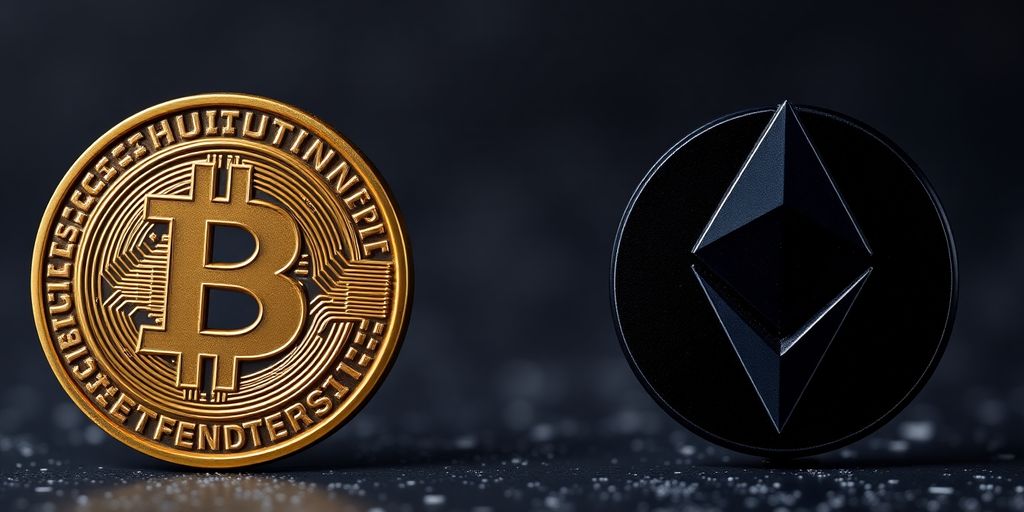
When we look at Pi Network, it’s natural to compare it to the big names in the crypto world, like Bitcoin and Ethereum. It’s still early days for Pi, so calling it the next Bitcoin might be a stretch, but its different approach is definitely something to pay attention to. Pi was built with the idea that anyone, anywhere, should be able to get into cryptocurrency. You don’t need fancy, expensive computers like you do for Bitcoin mining. Instead, you can mine Pi right from your phone. This makes it super accessible, especially in places where not everyone has access to powerful tech. This focus on accessibility has helped Pi build a really large user base, which is a big deal in the crypto space because of network effects. Think about it: the more people use a network, the more useful it becomes for everyone. It’s a bit like how social media platforms grow.
Pi Network’s Innovative Approach
Pi Network is trying something new by making mining available on mobile devices. This is a big change from how Bitcoin and Ethereum started, which required significant hardware investment. This mobile-first strategy aims to create a more inclusive digital currency. It’s not just about mining, though. The Pi App Studio is also working on developing various applications that could give Pi real-world utility. If these apps take off and people start using Pi for everyday transactions or services, it could give it a solid foundation beyond just speculation. It’s a different path than what we’ve seen with many other cryptocurrencies, which often focus on technical advancements first and user adoption second. Pi seems to be trying to do both at once.
Potential to Rival Established Coins
Could Pi actually compete with coins like Cardano or Polkadot down the line? It’s possible, but it depends on a few things. For Pi to really rival established coins, it needs to keep growing its user base and build out a strong ecosystem of applications that people actually use. Things like clear global regulations, partnerships with businesses, and a working decentralized app (dApp) environment are key. If Pi can hit these targets, it might see its market cap and community adoption grow significantly. It’s a long road, and there are many hurdles, but the potential is there if the project executes well. Some see this as a new avenue for investment, similar to how some explore crypto gambling as a novel strategy.
Achieving Milestones for Market Recognition
For Pi Coin to gain more recognition and potentially rival older cryptocurrencies, it needs to hit certain milestones. Think about things like getting listed on major exchanges, which would increase its visibility and accessibility. Also, successfully launching and growing its decentralized finance (DeFi) products and seeing widespread adoption of its mobile payment system are crucial. If Pi can demonstrate real-world use cases and maintain steady development, it could attract more traditional investors who are often looking for stability and proven utility, moving beyond just alternative investment vehicles. The project’s success hinges on its ability to deliver on its roadmap and build trust within the broader financial community.
Looking Ahead for Pi Network
So, where does Pi Network go from here? The path forward seems to involve some big changes. Think about new ways to manage the project, maybe like a DAO, and making sure Pi works with other blockchains. They’re also talking about clearer rules for how tokens work, which could help with worries about inflation and get people feeling more confident again. Plus, teaming up with big names in AI and blockchain could really create demand for Pi. Getting more people in places like China and India to use Pi is also a big goal. If they can get the node system going again with better rewards and launch actual DeFi products, that might help stabilize the price. Supporting developers with grants and a launchpad could also bring in new ideas and talent. The potential is there, especially with the growing AI market, but it’s going to take smart moves from the core team to make it happen.
Frequently Asked Questions
What is Pi Network trying to achieve?
Pi Network’s main goal is to create a digital currency that’s easy for everyone to use and mine right from their phones. It wants to build a worldwide crypto system that’s fair and accessible to all, using technology like blockchain.
Why is the Pi Core Team’s leadership important for Pi’s growth?
The Pi Core Team, which leads the project, is very important. Their decisions and plans, like how the money system works and who gets to make rules, can really affect how well Pi grows and if people trust it.
How can AI help Pi Network grow?
Yes, Pi is looking into using Artificial Intelligence (AI). They have many AI apps being developed, and if these do well, Pi could become a big player. Think of AI helping with tasks or making financial apps smarter, all powered by Pi.
What are some long-term plans for Pi Network?
Pi aims to become a widely used currency for everyday payments, especially in places where regular banks aren’t common. They are also working on making their blockchain super secure with new technology to protect against future computer threats.
What key things will decide Pi Coin’s future?
Things like how many people join and use Pi, how many new apps and services are built on it, and what the government rules are for crypto will all affect Pi’s future price and success.
How is Pi Network different from other cryptocurrencies like Bitcoin?
Pi tries to be different by letting people mine easily on their phones and by focusing on building a large community. While it’s still new compared to older coins like Bitcoin, its unique approach and growing user base show it has the potential to become a major player.

Peyman Khosravani is a global blockchain and digital transformation expert with a passion for marketing, futuristic ideas, analytics insights, startup businesses, and effective communications. He has extensive experience in blockchain and DeFi projects and is committed to using technology to bring justice and fairness to society and promote freedom. Peyman has worked with international organizations to improve digital transformation strategies and data-gathering strategies that help identify customer touchpoints and sources of data that tell the story of what is happening. With his expertise in blockchain, digital transformation, marketing, analytics insights, startup businesses, and effective communications, Peyman is dedicated to helping businesses succeed in the digital age. He believes that technology can be used as a tool for positive change in the world.