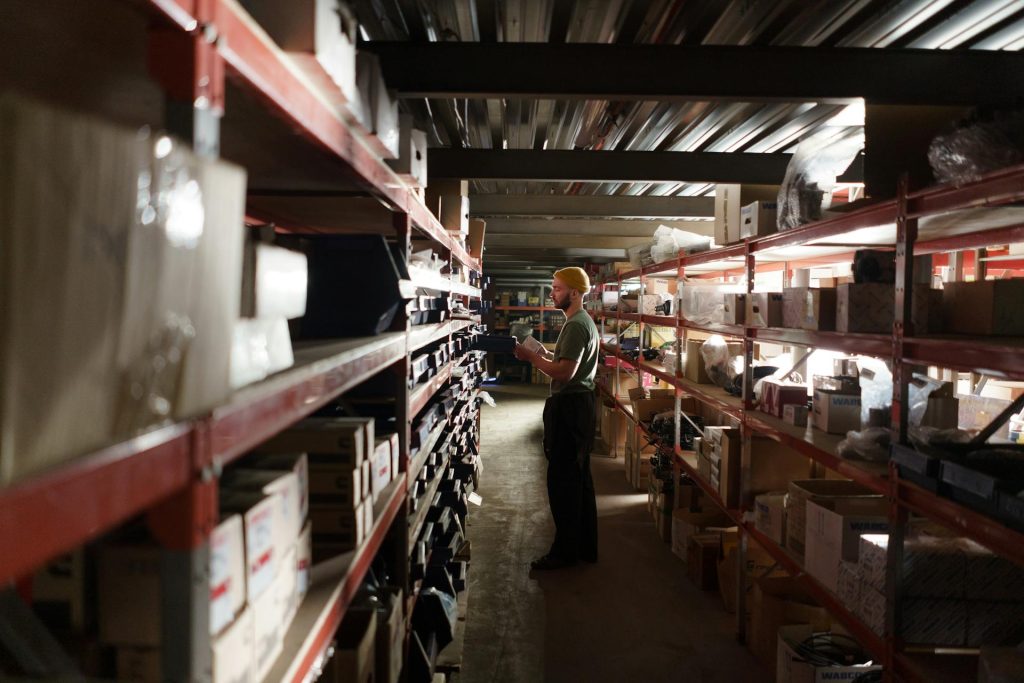
Deciding between used and new equipment for your warehouse won’t be a walk in the park unless you approach it with care. It’s a balancing act of cost, efficiency, and safety. Each option has its unique perks and pitfalls.
Moreover, every warehouse is different. What works in one might not fit another’s needs. Stick around as we lay out the facts clearly to help you choose wisely, keeping operations organized, safe, and running smoothly.
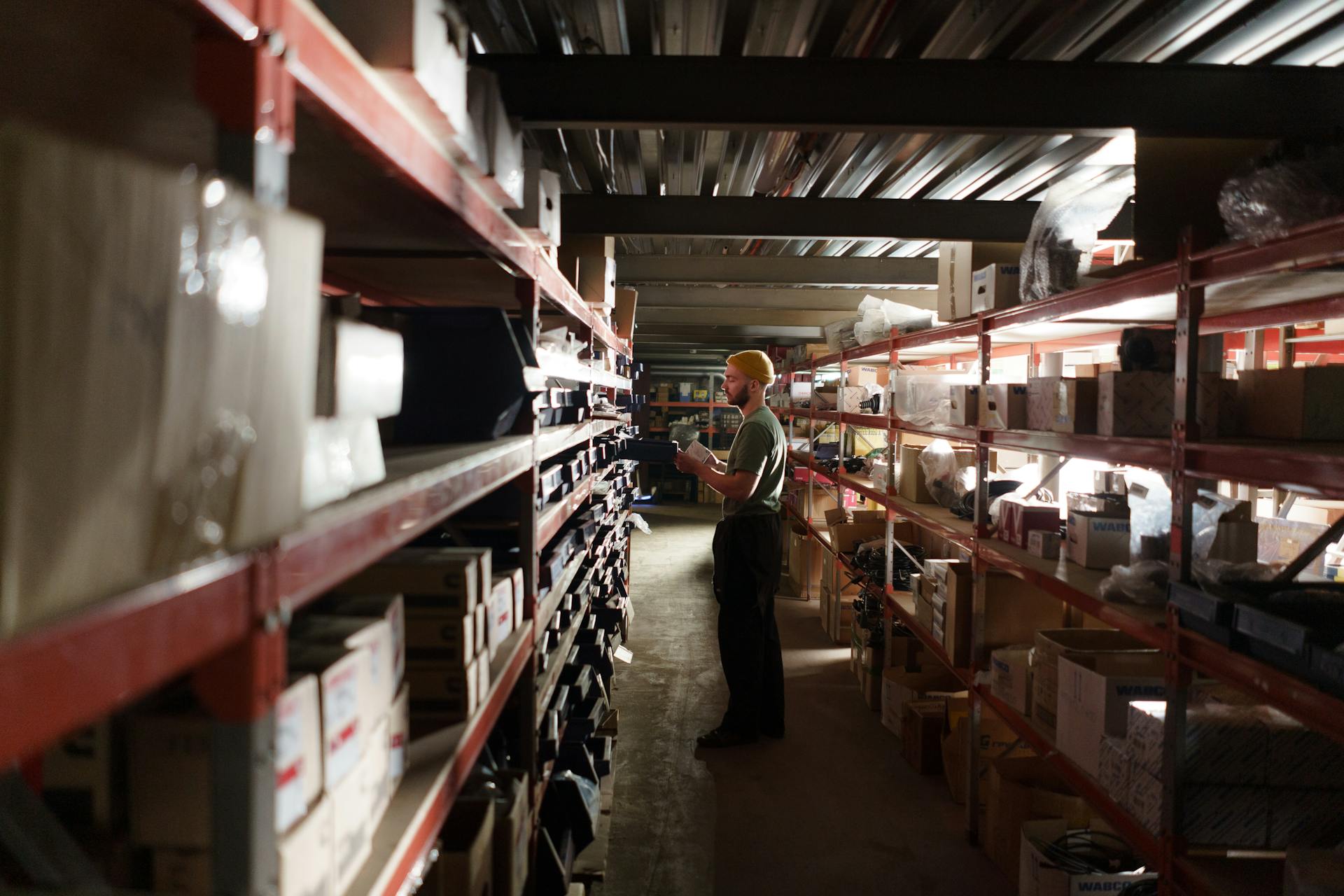
Evaluating Costs: Initial Investments vs. Long-Term Savings
Cost is one of the considerations to keep in mind when weighing up used vs new pallet racking hardware. Used systems often come at a lower price, which appeals to budget-conscious operations. However, hidden costs, such as repairs or replacements, can accumulate over time.
New equipment typically requires a larger upfront investment but offers reliability and longer lifespans with warranties included.
The trade-off lies in balancing immediate savings against potential long-term expenses, particularly if older racks require frequent maintenance or lack compatibility with future upgrades. Choosing wisely depends on your warehouse’s budget and the level of importance you place on durability for daily operations.
Safety Considerations in Used and New Equipment
Safety should always come first in warehouse operations, especially given the strict rules governing this sector. Used pallet racking may show signs of wear, such as bent frames or rusted beams, which could compromise its structural integrity. Inspecting for damage before purchase is crucial to ensure the item meets safety standards.
New equipment guarantees compliance with current regulations and eliminates uncertainty about its condition. Advanced designs in newer systems may also include features that improve stability and worker protection.
Ultimately, maintaining a safe working environment depends on thorough inspections, regular maintenance, and selecting equipment that effectively matches your facility’s specific weight capacities and operational demands.
Customization Needs and Facility Layout Challenges
Warehouse layouts vary, so adaptability is key when choosing pallet racking. New systems provide customizable options, tailored to unique dimensions or specialized storage needs. This ensures optimal space utilization and smooth workflows.
Used equipment may be limited in flexibility. Sourcing racks that fit exact specifications can become a challenge, especially for irregular layouts or niche requirements.
If your operations demand precise customization, such as height adjustments or heavy-duty capacity, it’s often easier with new systems. However, for standard setups without specific modifications, used racks can offer a cost-effective solution while efficiently meeting basic storage needs.
Assessing Setup Speed and Downtime Impact
Time is critical in warehouse operations. Used pallet racking can be sourced quickly, often with shorter lead times compared to new systems. This minimizes downtime for businesses needing immediate solutions.
However, used racks may require more effort during installation if parts are mismatched or lack proper documentation. New equipment arrives standardized, making assembly smoother and faster while reducing delays. If you’re already using other types of equipment to improve efficiency, this is a sensible next step.
Consider how much downtime your facility can handle during setup. For urgent needs with tight schedules, pre-assembled or well-documented used options may be suitable. But for seamless installations that avoid potential setbacks, investing in new systems ensures greater reliability upfront.
Environmental Benefits of Choosing Used Equipment
Used pallet racking offers a sustainable choice by reducing waste and extending the lifecycle of materials. At a time when sustainable investments are a prime concern, it’s natural for this ethos to impact other industry niches.
Reusing racks also reduces landfill contributions, aligning with eco-friendly business practices. However, it’s essential to verify their safety and quality to avoid potential hazards.
For companies prioritizing sustainability goals or seeking green certifications, used equipment provides an environmentally conscious solution. Balancing these benefits with operational needs ensures your warehouse stays efficient while contributing positively to environmental efforts without compromising on functionality or safety standards.
Final Thoughts
Choosing between used and new pallet racking depends on your budget, safety priorities, and operational goals. Each option offers distinct advantages.
By assessing factors like setup speed, customization needs, and environmental impact, you can select the best fit for your warehouse. A well-informed decision ensures that operations are safe, efficient, and cost-effective.